

Where encapsulation earns its keep.
Four situations where sealing clean framing is the difference between a fix that holds and one that's back in two summers.
Crawl space encapsulation
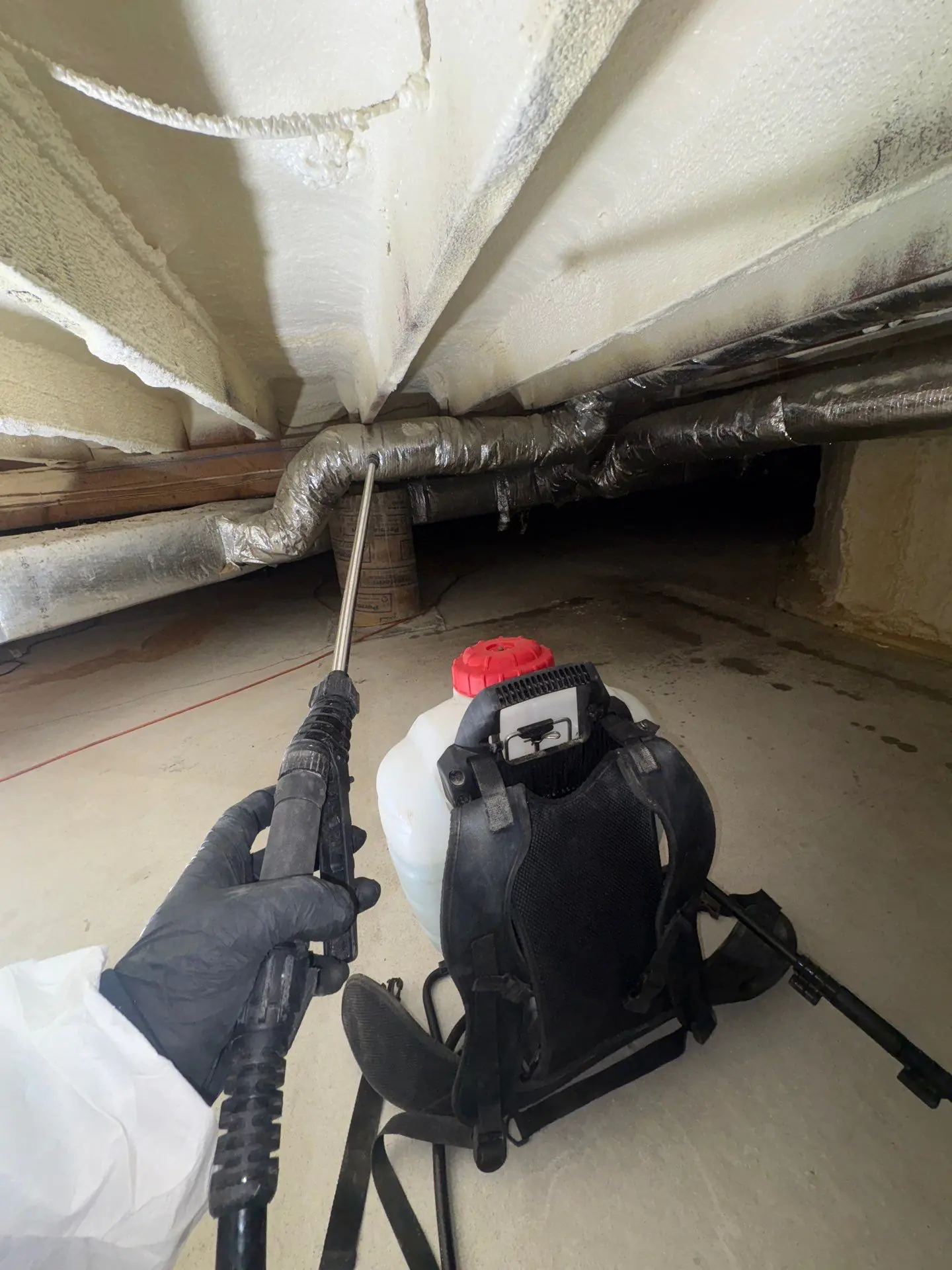
The highest-value use on Long Island, where South Shore and East End crawlspaces sit a few feet above damp soil year-round. Coated joists and subfloor, a sealed vapor barrier over the soil and up the walls, closed vents, and a dehumidifier turn a vented crawlspace breathing 75% humidity into one that stays under 60%.
Attic mold & roof decking
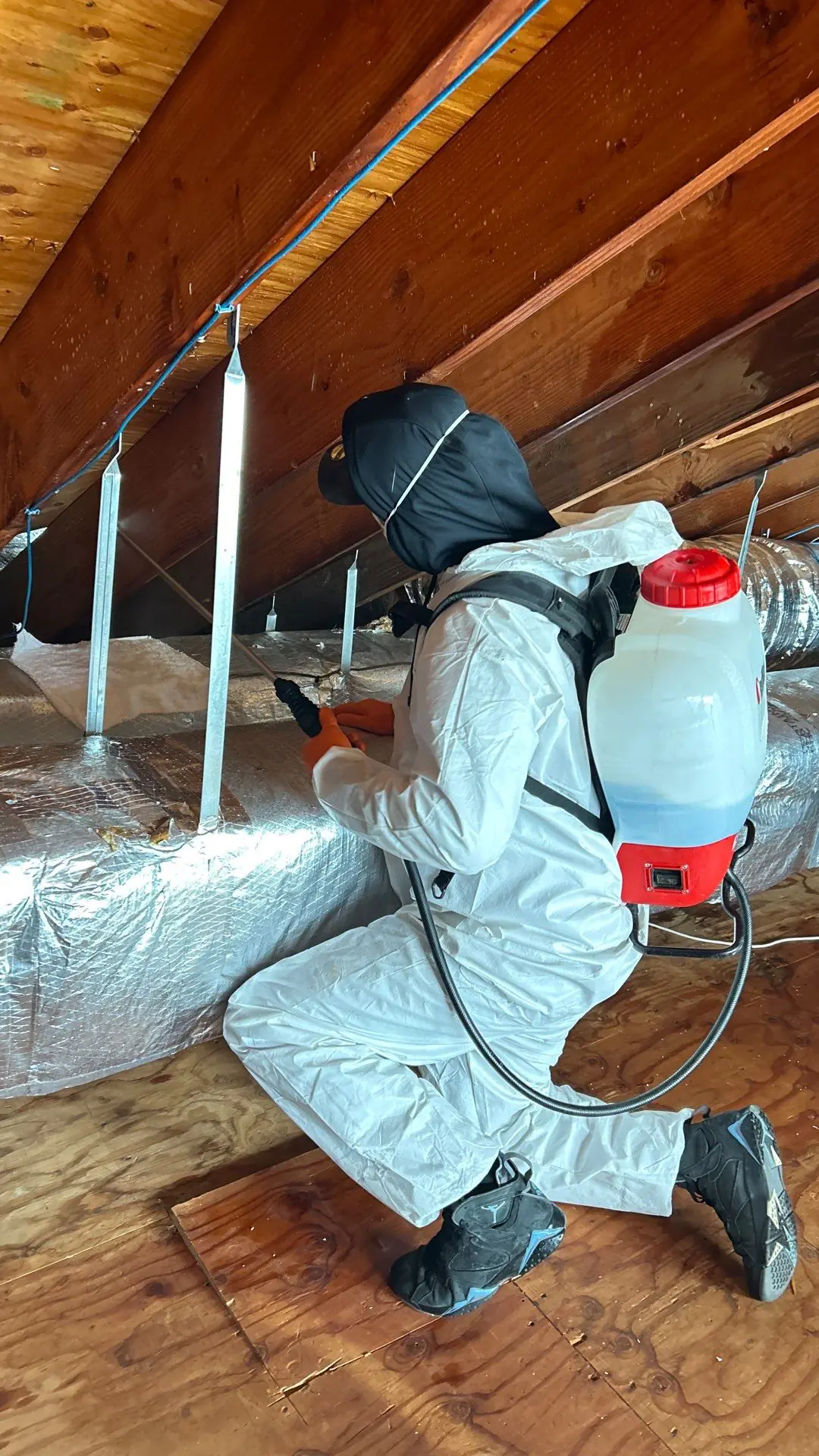
After insulation removal and cleaning, the rafters and the underside of the roof deck are coated before new insulation goes in — with the ventilation or bath-fan problem that caused the growth corrected first. North Shore attics that condense every January are the usual case.
Basement mold & framing
Studs and plates against a foundation wall that was never dry — common in hillside houses and in 1950s–70s capes and splits. Encapsulated once they're opened up and cleaned, before the drywall and carpet go back, so the next humid summer finds nothing to grow on.
Framing after water damage
Flood-cut walls dried and remediated after a pipe failure, an HVAC leak, or a flood. The coating is a small line at the end of the claim that protects the rebuild — and seasonal houses closed up from September to May need it most.
What mold encapsulation is — and isn’t.
Mold encapsulation is a fungicidal, mold-resistant coating applied to structural wood — studs, plates, joists, rafters, roof decking — after it has been remediated, cleaned, and dried, so the surface can’t support new growth.
It is the final protective step of an IICRC S520 remediation, not a substitute for one. Coating over active mold, wet wood, or contaminated drywall hides the problem; K.O.S. doesn’t do it, and you shouldn’t hire anyone who will.
Remediate first
Encapsulation is the last step of a mold job, not the first. Contaminated drywall and insulation come out, and framing is HEPA-vacuumed, treated, and hand-cleaned to IICRC S520 before any coating is considered.
Fix the moisture
A coating on wood that's still getting wet is a cosmetic delay. Roof leaks, bath fans into the attic, open crawlspace vents, and groundwater are corrected or scoped — and the structure is dried to a measured standard.
Protect and prep
Appliances, fixtures, and finished surfaces wrapped and masked. Every stud, plate, joist, and rafter vacuumed and wiped down, then checked with a moisture meter — the coating only performs as well as the surface under it.
Apply the coating
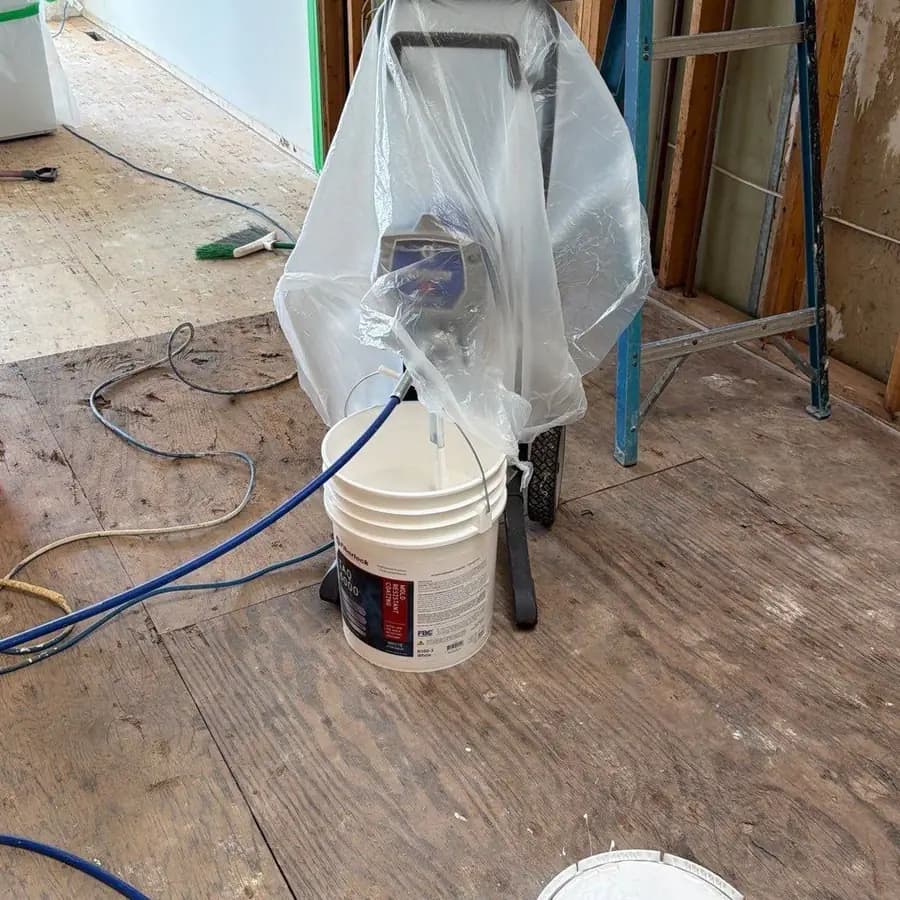
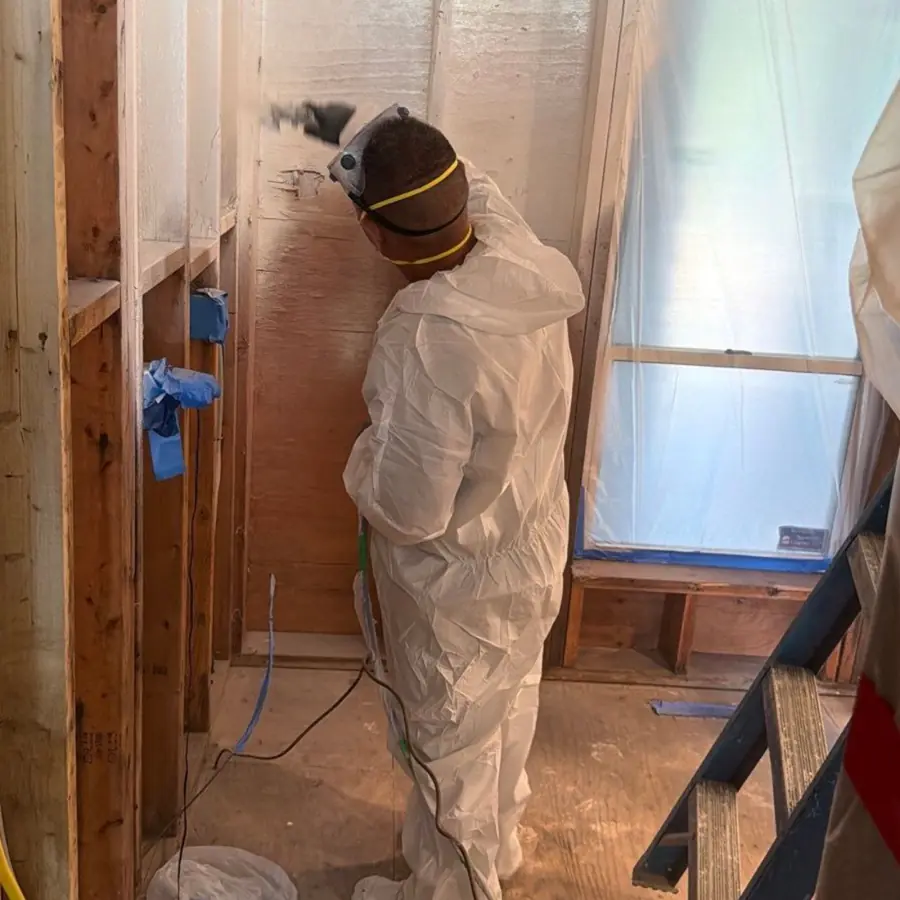
A professional-grade, fungicidal mold-resistant coating sprayed onto the cleaned framing with dedicated equipment — not a consumer primer from the paint aisle. Bright white, so the coverage is visible and the framing reads uniform.
Seal the space
In crawlspaces, a vapor barrier over the soil and up the walls, vents sealed, and often a dehumidifier — so humidity stays below the 60% mold needs. Then the photos and readings that go in your file.
What it costs, and how long it takes.
Most encapsulation jobs on Long Island are done in a day — two or three for a crawlspace with a vapor barrier. Cost is driven by the framing area, the access, and whether the remediation is already done.
When the mold came from a sudden, covered water loss, the coating is usually part of the same insurance claim; K.O.S. scopes it in Xactimate alongside the drying and remediation.
Coating is priced by the surface it covers: linear feet of studs and plates, or the joist and subfloor area of a crawlspace and the rafter area of an attic. A single flood-cut room is a few hours; a whole crawlspace is a day or more.
- One room of exposed framing: half a day
- Full basement level before rebuild: one to two days
- Crawlspace with vapor barrier and sealed vents: two to three days
Encapsulation quoted on its own assumes clean, dry wood. If there's active growth, the remediation comes first and is the larger part of the job; the coating is the smaller line at the end.
Attics and crawlspaces cost more per square foot than an open basement: PPE, insulation removal, tight access, and the vapor barrier and vent sealing that make a crawlspace job hold.
A dehumidifier, a sealed vent, a rerouted bath fan, a gutter extension. Small items, scoped alongside the coating, and the reason the coating lasts.
Free. A crew confirms the framing is clean and reads dry, finds where the moisture came from, and gives you a written scope. On site in 45 minutes for an emergency; scheduled otherwise.
Wrap, mask, vacuum, wipe, meter-check, spray. Most single-area jobs finish the same day; the coating is dry to the touch in hours.
Vapor barrier laid and sealed to the walls, vents closed, dehumidifier set if needed. Then the space is ready to be left alone.
Drywall and insulation can go back as soon as the coating has cured — usually the next day. K.O.S. hands your contractor the photos and readings.
The textbook case. Framing has been cleaned to S520 and will be closed inside a wall for decades; a fungicidal coating means a future leak has nothing to feed on.
Where the moisture can be managed but never fully eliminated — a crawlspace on the water table, an attic in a coastal town — encapsulation plus a vapor barrier is the durable fix.
Coating over active growth, wet wood, or contaminated drywall traps the problem and hides it. If a contractor offers to 'encapsulate' visible mold without removing anything, that's the cover-up the industry standard warns about — and the reason K.O.S. won't do it.
Stain-blocking primers seal stains; they aren't fungicidal and aren't rated for the job. Professional encapsulants carry an EPA-registered antimicrobial and are applied to a surface that's been cleaned and metered dry.
Professional coating, professional equipment.
The products K.O.S. applies carry an EPA-registered antimicrobial and are rated for the job. They go on with airless spray equipment onto framing that has been HEPA-vacuumed, wiped, and checked with a moisture meter.
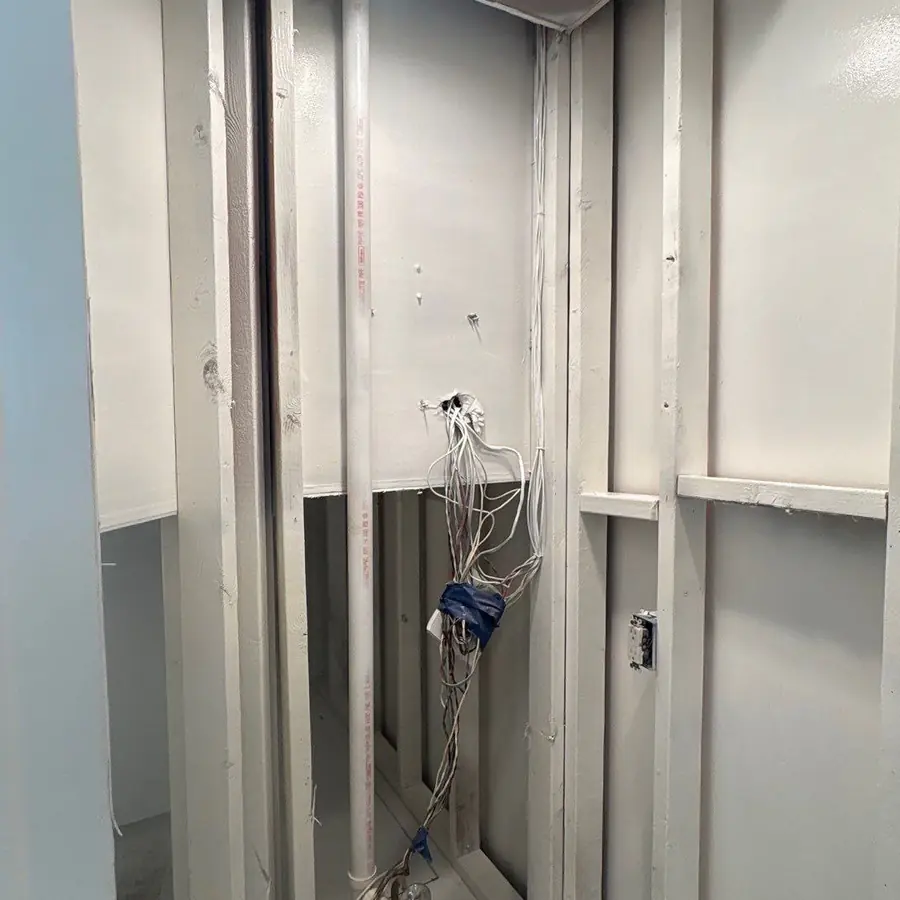
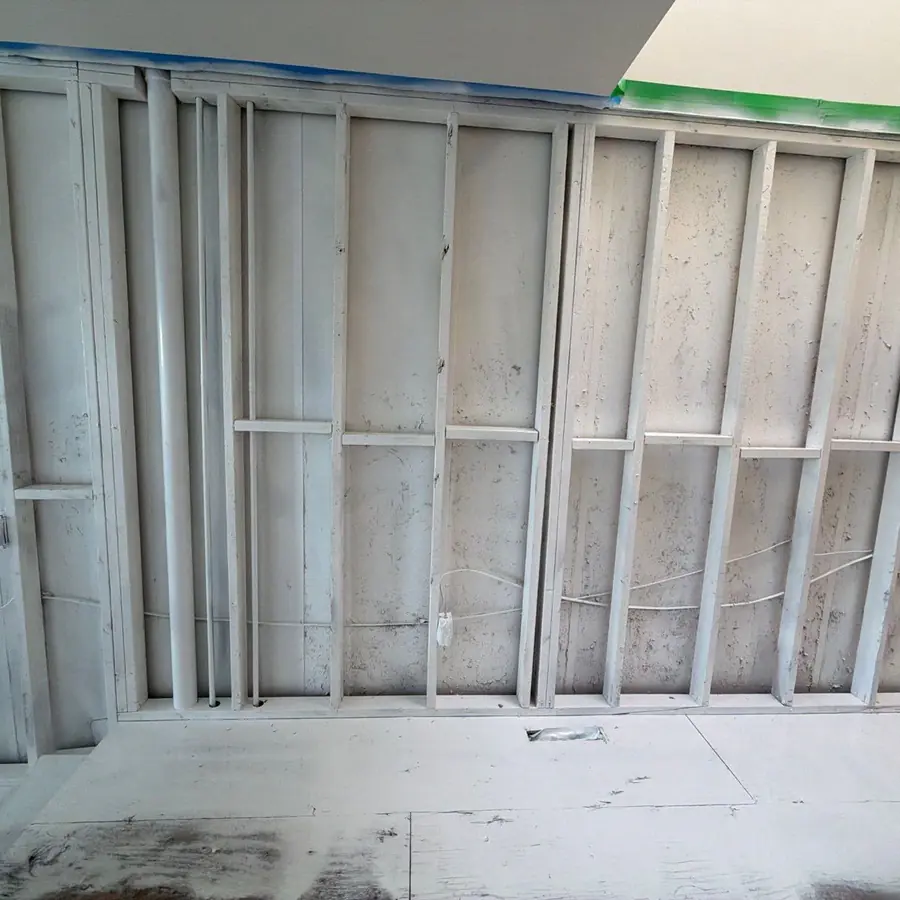
Bright white by design: coverage is visible, the framing reads uniform, and your contractor and adjuster can see exactly what was sealed before the walls close.
Why Long Island framing needs it.
K.O.S. Restoration has encapsulated crawlspaces, attics, and basements from Westhampton Beach to Kings Park, working from Bellport since 2006. The moisture pressures here — a high water table, salt air, seasonal houses — don’t go away, so the framing has to be ready for them.
Crews dispatch from Bellport. Find your town on the service-area pages:
- Suffolk County
- The Hamptons & East End
- Nassau County
- Queens
Crawlspaces here sit on the water table
South Shore and East End homes on piers or short crawlspaces have damp soil a few feet under the joists year-round. Vented, they breathe 75% humidity all summer. Sealed and coated, they stay under 60%.
Salt air and seasonal houses
Hamptons and North Fork homes closed up from September to May hold whatever moisture they had in the fall. Our Sag Harbor, Westhampton Beach, and Quogue jobs were all second homes or condos with shared plumbing.
North Shore attics and finished basements
Centerport, Greenlawn, and Kings Park are the encapsulation jobs on the Nassau–Suffolk line: hillside houses with damp basements and attics that condense in January.
Post-war framing was never sealed
Bare studs in 1950s–70s capes and splits have absorbed sixty summers of humidity. Once they're opened up and cleaned, a coating is the cheapest insurance the rebuild will get.
Featured work.
Mold encapsulation after water damage in Westhampton Beach.
Westhampton Beach, NY · August 2026 · Post-water encapsulation
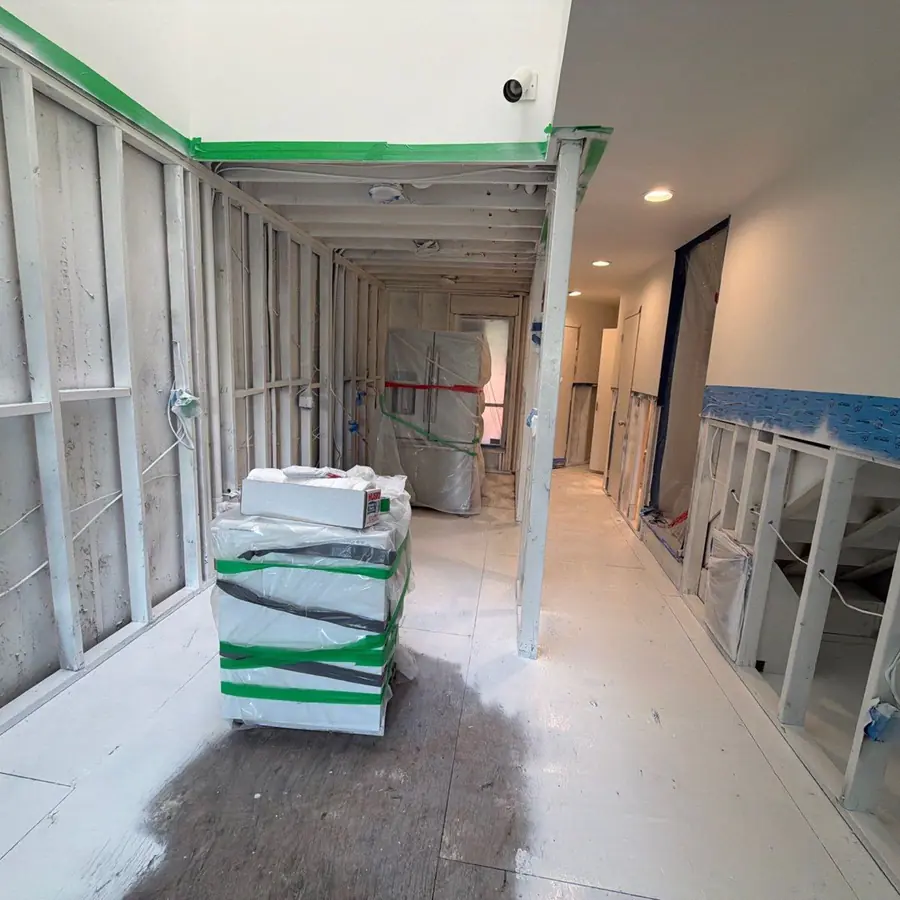
A hot-water supply line failed in the unit upstairs, ran down through the kitchen ceiling, and settled in the shared crawlspace. K.O.S. dried the structure, removed what couldn't be saved, and remediated the framing to IICRC S520 first.
Then, before the walls went back, the homeowner asked for long-term protection. Appliances wrapped, finishes masked, every stud and plate HEPA-vacuumed and checked dry, and a professional mold-resistant coating applied to the exposed framing, plumbing walls, and utility chases across the whole downstairs — a barrier over clean wood, not a cover-up.
Insurance handled
When the mold came from a covered water loss, encapsulation is usually part of the same claim.
Sudden, covered losses — a burst pipe, a failed supply line — typically include the remediation that follows and the protective coating before rebuild, up to your policy’s mold cap. K.O.S. scopes it in Xactimate with the drying and remediation and bills your carrier directly.
- State Farm
- Allstate
- Liberty Mutual
- GEICO
- USAA
- Travelers
- Mercury
- Mutual of Omaha
- Zurich
300+ neighbors have already called.
A 5.0 rating across Suffolk County. Read every review on Google.
Mold encapsulation questions
The questions people ask Google about encapsulating mold — including the ones about Kilz, products, and whether it works — answered plainly.
What is mold encapsulation?
Mold encapsulation is the application of a fungicidal, mold-resistant coating to structural surfaces — framing, joists, rafters, roof decking — after they have been cleaned, treated, and dried, so residual spores are sealed and the surface can't support new growth. It is the final protective step of a remediation, performed on clean wood. It is not a way to seal mold in place.
Does mold encapsulation work?
Yes, when it's done in the right order: moisture source fixed, contaminated material removed, framing cleaned to IICRC S520 and metered dry, then coated. Done that way, the coated surface stays mold-free indefinitely. Sprayed over active growth or wet wood, it fails — the growth continues underneath and shows up again at the edges.
How long does mold encapsulation last?
A professional coating on clean, dry framing lasts the life of the structure; manufacturers rate them for decades. What shortens it is moisture returning — a new leak, an unsealed crawlspace vent, a bath fan dumping into the attic — which is why the moisture fix is part of the job, not an add-on.
Will Kilz encapsulate mold?
No. Kilz and similar primers are stain blockers: they hide the discolouration and aren't fungicidal or rated for mold. Painting a primer over mold traps it against the wood and hides the problem until it comes through. Professional encapsulants carry an EPA-registered antimicrobial and are applied only after the mold has been removed and the surface cleaned.
Can you encapsulate mold instead of removing it?
Not on porous materials, and not on active growth. Drywall, insulation, and carpet with mold are removed — no coating fixes them. Structural wood is cleaned first and coated second. The one legitimate exception is framing that's been properly cleaned but can't practically be replaced; the coating protects it. If someone proposes coating over visible mold with nothing removed, decline.
What kills mold permanently in a house?
Dryness. Every product kills surface mold; none of them keep it from growing back on wood that gets wet again. Permanent means removing the contaminated material, cleaning what stays, fixing the water, and — in crawlspaces, attics, and basements — sealing the surface and keeping humidity under 60%.
Can a house with mold be saved?
Almost always. Mold is on the surfaces, not in the structure; framing, sheathing, and concrete are cleaned and kept, and only porous finishes are replaced. Even extensive crawlspace and attic growth is a remediation-and-encapsulation job, not a demolition.
How much does mold encapsulation cost?
It's priced by the framing it covers and the access: a single flood-cut room is a few hours; a whole crawlspace with a vapor barrier is a multi-day job. If there's active mold, the remediation is the larger cost and the coating is the smaller line at the end. K.O.S. inspects free and gives a written scope. When the mold came from a covered water loss, the coating is usually part of the same claim.
What products do you use?
Professional-grade mold-resistant coatings with an EPA-registered antimicrobial, applied with airless spray equipment — the class of product used on the Westhampton Beach job in the write-up above. Not a consumer primer, and not the 'mold control' sprays sold as a one-step fix.
Do I still need an independent mold assessment?
If there was active mold, yes — New York's Article 32 requires an independent licensed assessor to clear a remediation, and K.O.S. never tests its own work. For a preventive coating on framing that was already clean and dry, no assessment is required.
Guides.
If you’re weighing a quote or wondering whether your crawlspace or basement needs it, these four cover the ground: what encapsulation actually is, the basement case, the crawlspace case, and the humidity that makes both necessary here.
Written by the people who show up, from jobs on Long Island — not a national franchise’s content team.
What is mold encapsulation?
The plain definition, what a professional coating actually does to a cleaned surface, and the one thing it's never a substitute for.
Read the guide →
Why basement mold encapsulation matters more than you think
Why a finished basement against a Long Island foundation wall is the case where sealed, cleaned framing pays for itself before the drywall goes back.
Read the guide →
Mold in crawlspaces: the summer threat you can't see
Open vents, summer humidity, and damp soil a few feet below the joists — how crawlspace mold starts, and why encapsulation plus a vapor barrier is the fix.
Read the guide →
How high humidity fuels mold growth in Long Island homes
What 70–80% summer humidity does inside a house, the 60% threshold mold needs, and how to keep a sealed crawlspace or attic below it.
Read the guide →
All mold guides →
Seal it once, before the walls go back.
Real person · 24/7 · 45-minute response
Start the clock(631) 560-8999