
Water damage
What To Do When A Storm Floods Your Home
If storm flooding damages your home, K.O.S. Restoration provides 24/7 IICRC emergency flood cleanup across Long Island & Queens. Fast response Call (631) 560-8999.
· 3 min read
A water heater failed on a Sunday evening and flooded a finished basement in East Islip with about a foot of water. The crew was extracting that night, then packed out the contents, opened the walls, cleaned the mold on the studs and set the basement drying.
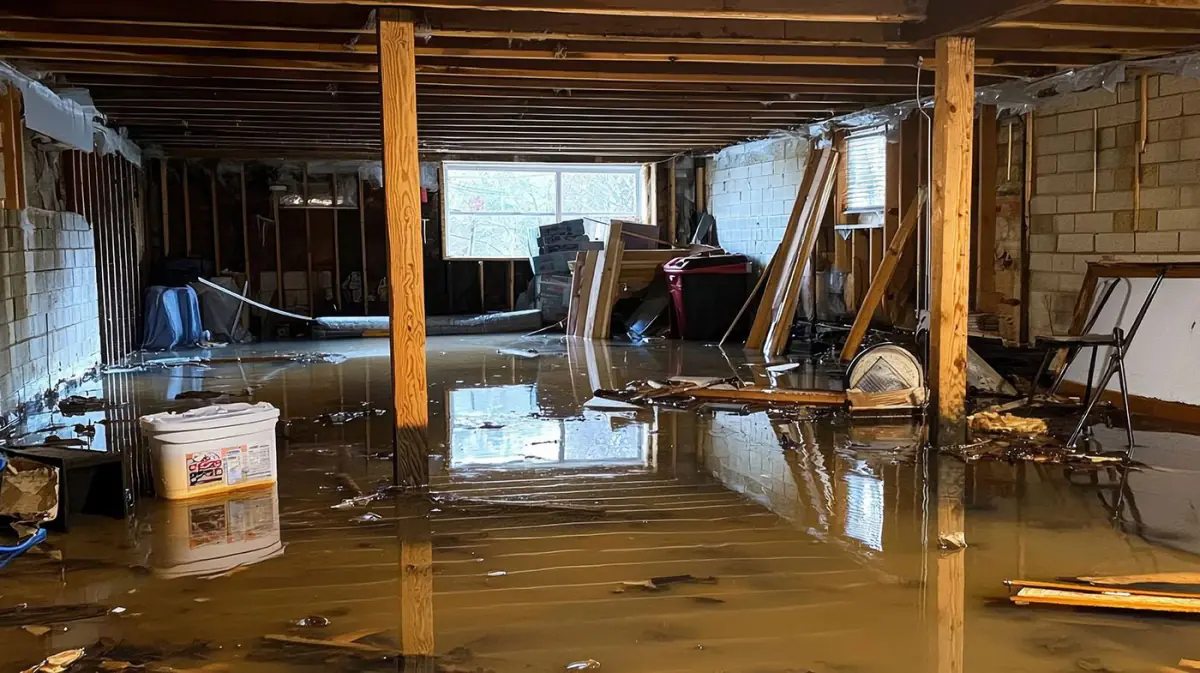
When a water heater failed on a Sunday evening in East Islip, NY, it left about a foot of water across a finished basement with a bedroom, a living area and closets full of belongings. The homeowner called K.O.S. Restoration, and our IICRC-certified crew was on site around 10:30 that night. We extracted the water, took moisture readings, protected the floors upstairs and set drying equipment before the night was over. Over the next few days the crew documented and packed out the homeowner's belongings, cut out the wet drywall, paneling and insulation, cleaned the moderate mold growth found on the wall studs, and reset the drying equipment in the opened-up basement.
Water heaters rarely fail at a convenient time. When the tank in this basement let go, the water spread across the whole finished level: under the bed, around the dining table and chairs, into the closets and up against every wall.
A finished basement is the worst place for this kind of loss. Everything that makes it livable, the drywall, paneling, insulation and furniture, soaks water up, and the concrete below and around it means the water has nowhere to drain.
The first job was getting the standing water out. The crew ran hoses from our truck-mounted extraction unit down the basement stairs and started pulling water off the floor.
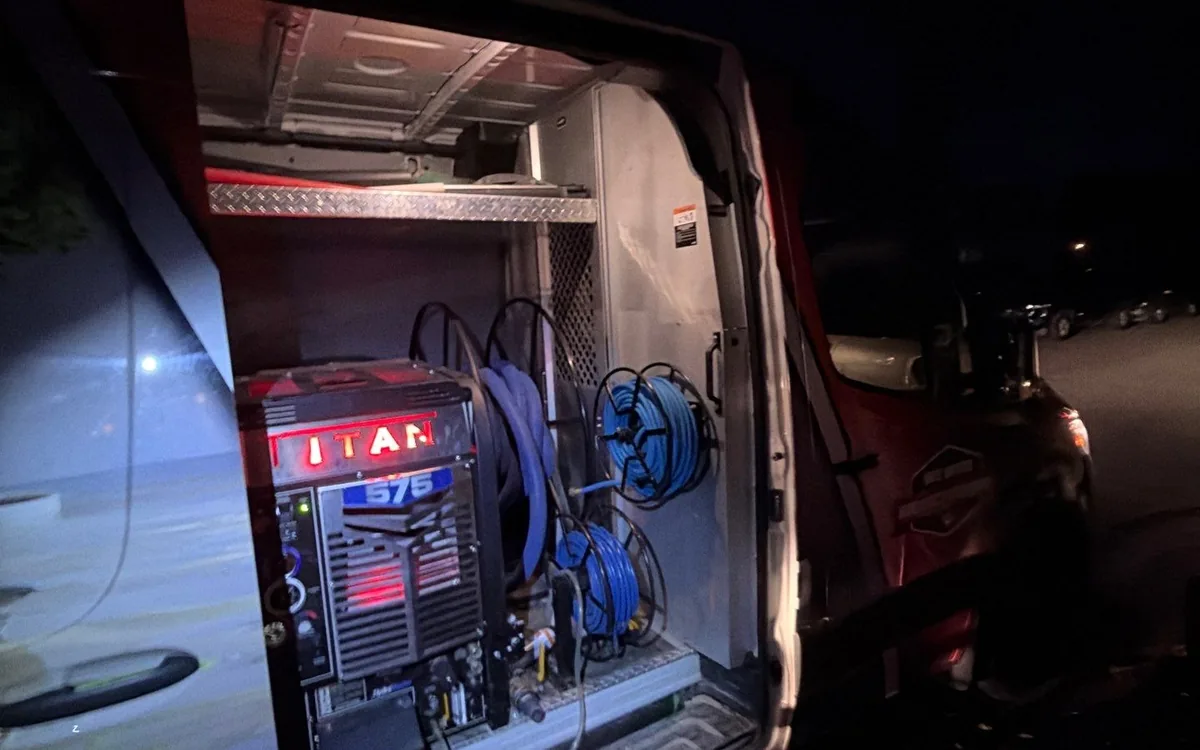
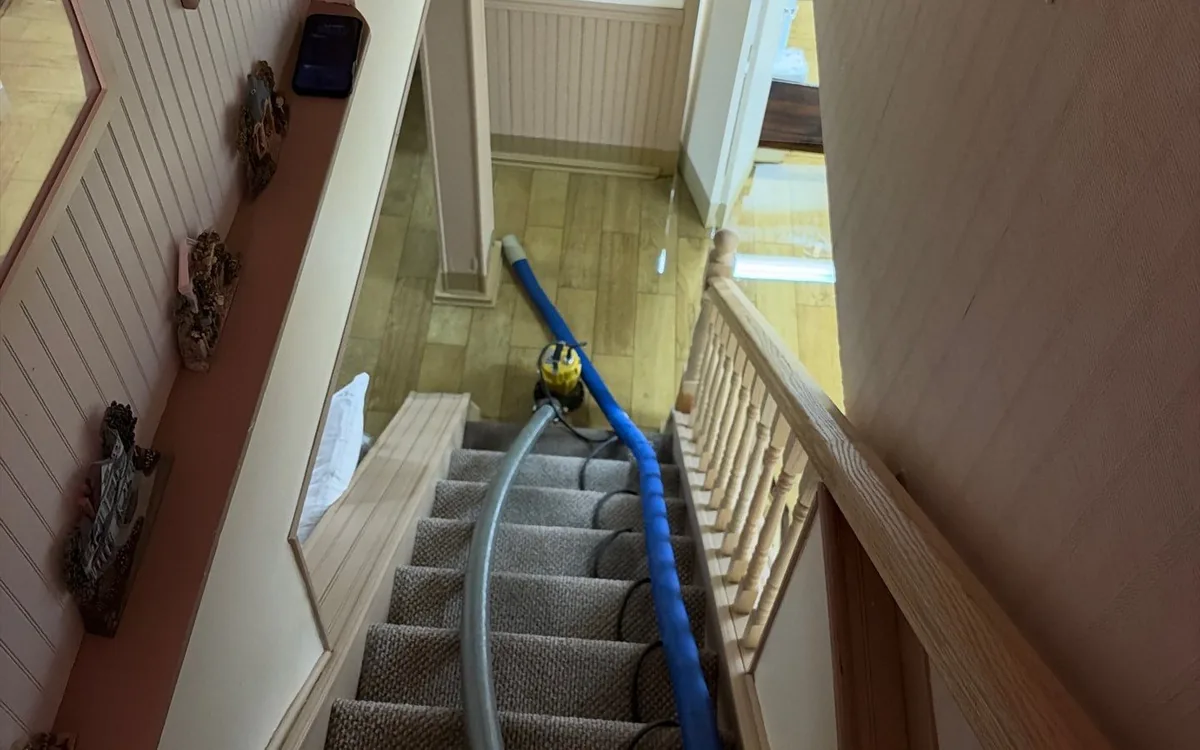
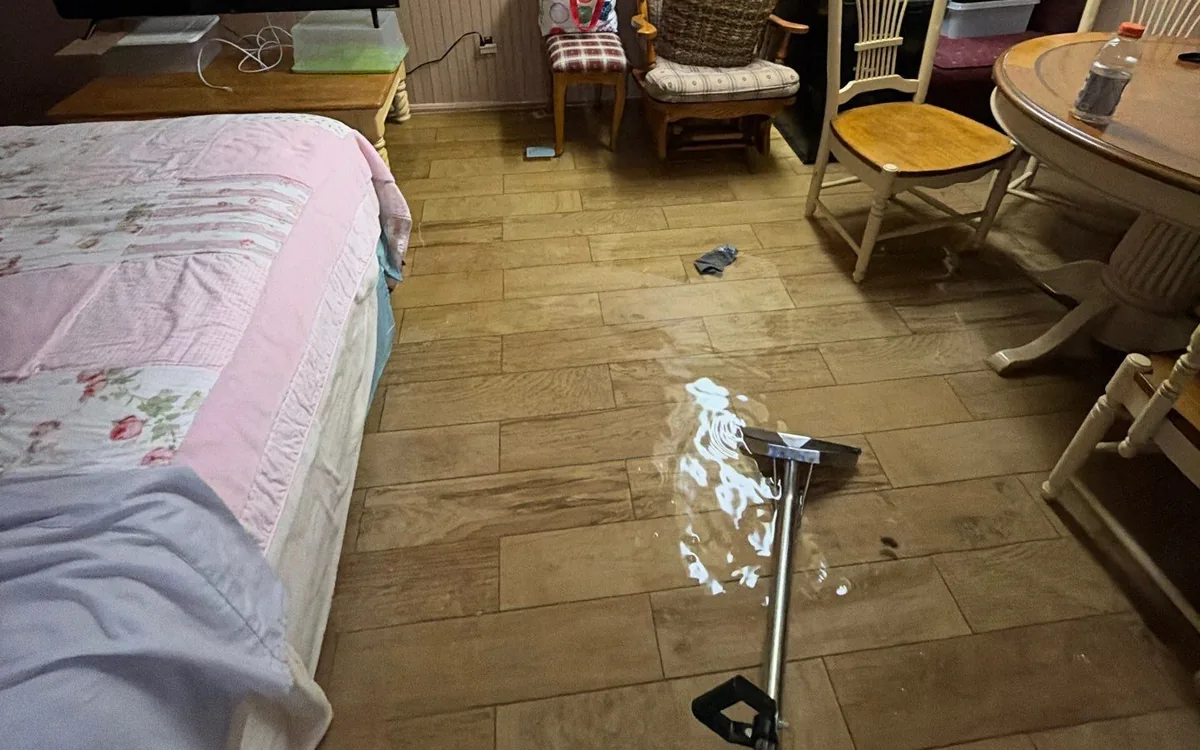
Truck-mounted extraction removes far more water, far faster, than portable pumps or wet vacs. Every gallon pulled off the floor is a gallon the drying equipment doesn't have to evaporate later.
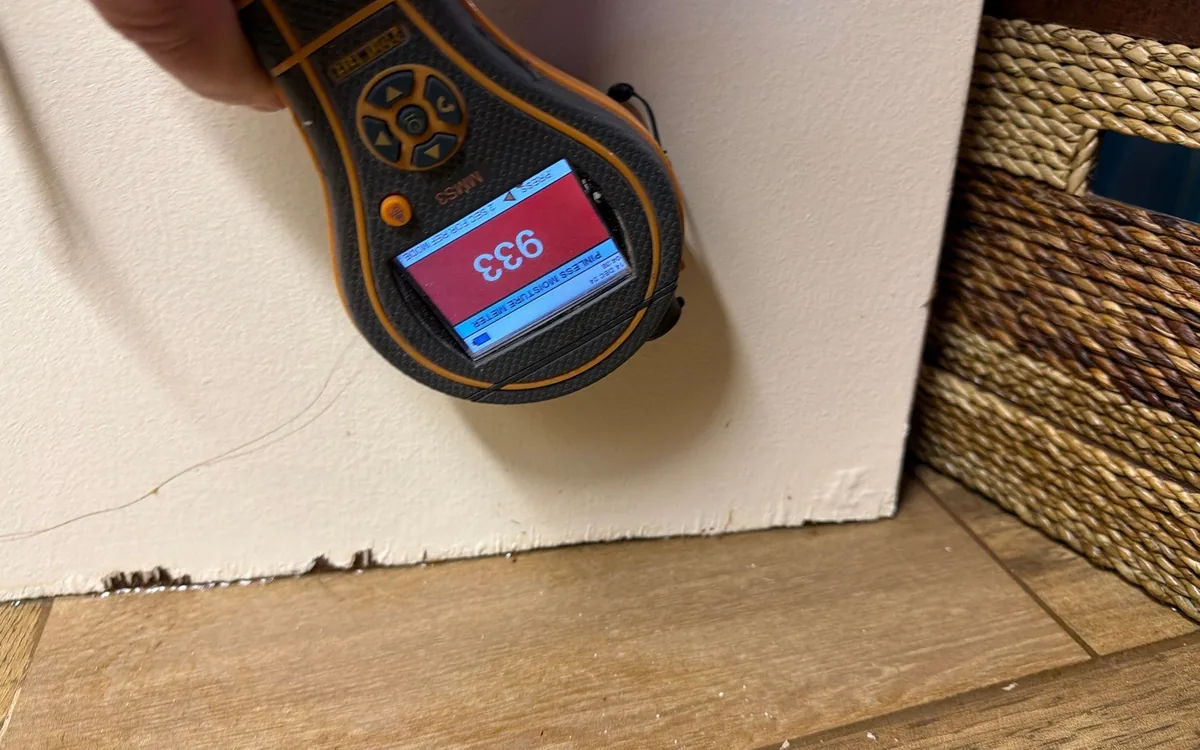
With the standing water out, the crew took moisture readings around the basement. Water climbs drywall and paneling from the bottom, so the readings show how high it went and where the dry material starts. That map decides what has to come out and what can be dried in place.
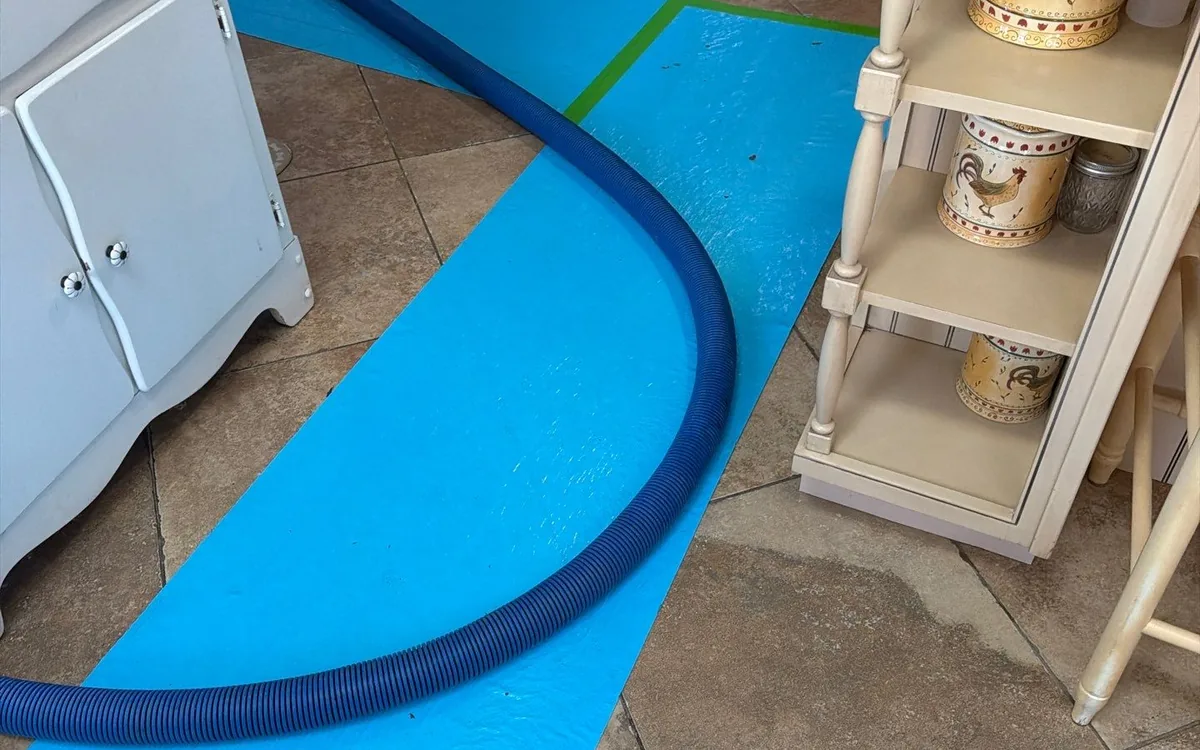
The crew also laid protective coverings over the floors upstairs, along the path from the door to the basement stairs. A water job means a lot of trips in and out with hoses and equipment, and the rest of the home shouldn't pay for it.
Before leaving, the crew set drying and dehumidifying equipment so the basement started drying the same night.
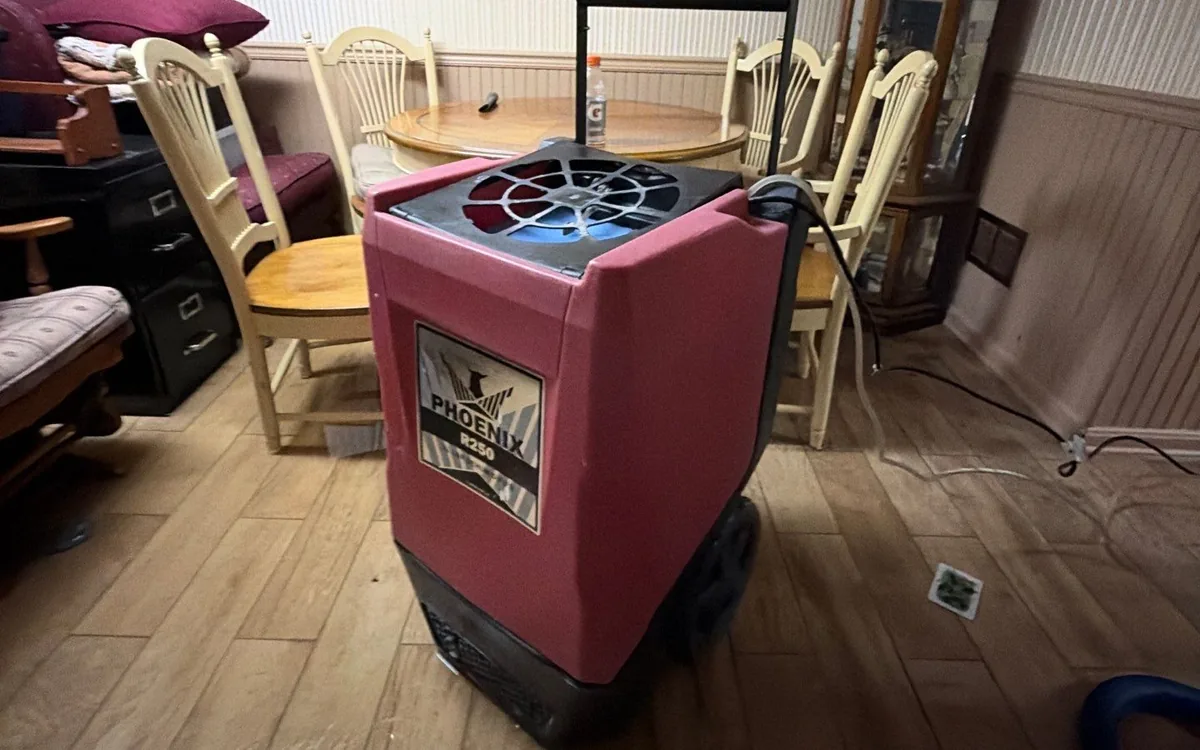
The flood reached furniture, bedding and the homeowner's stored belongings. Before any walls could be opened, all of it had to be dealt with:
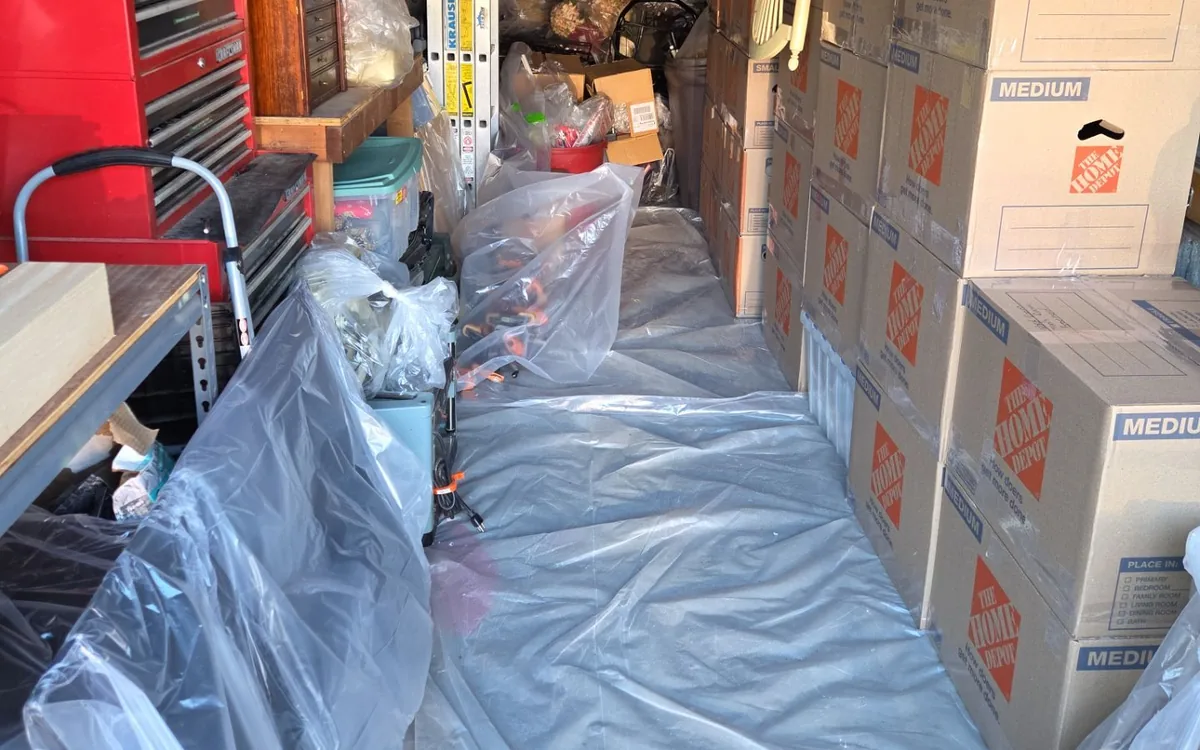
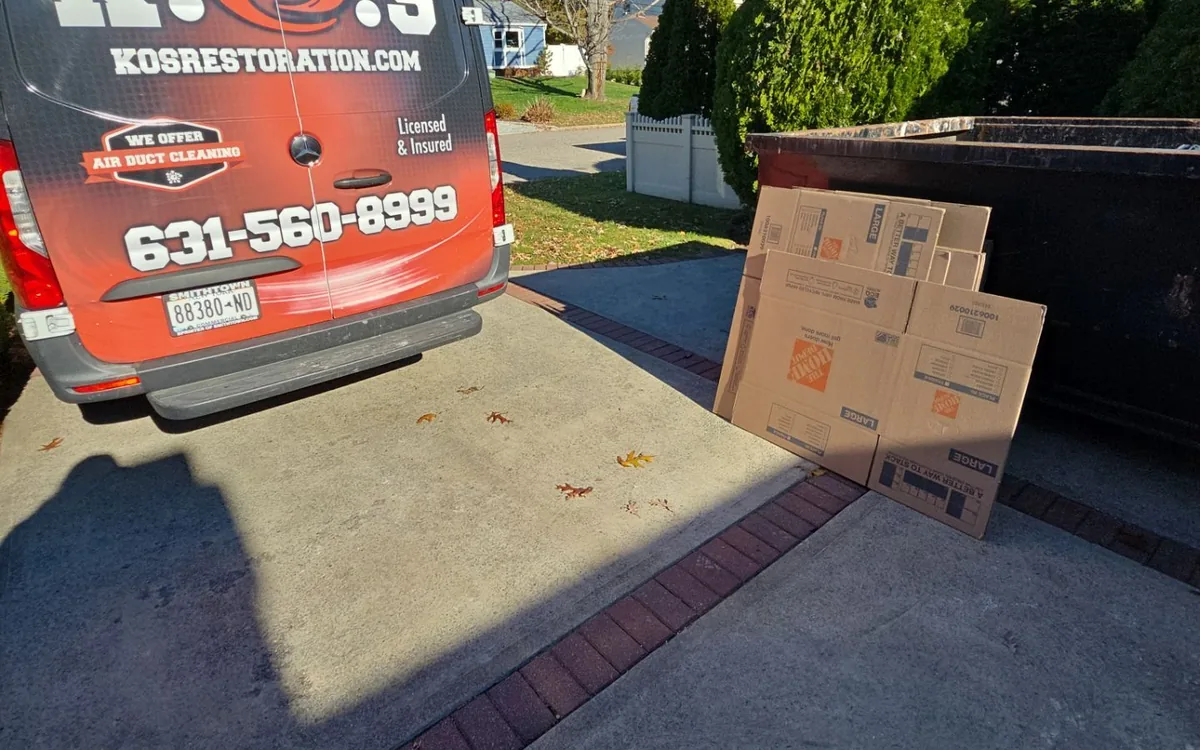
Clearing the basement gives the crew room to open the walls, keeps the belongings away from dust and debris, and gives the drying equipment open floor to work on.
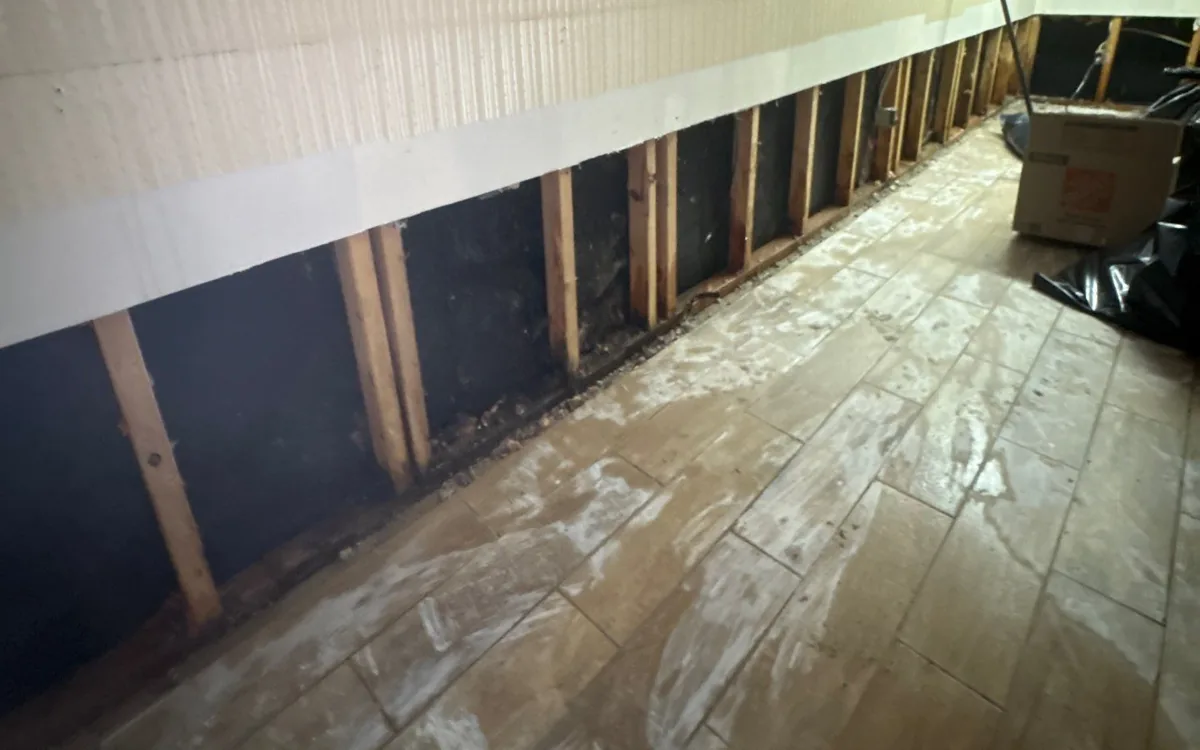
With the basement cleared, the crew removed the building materials that had soaked up water. The drywall and paneling were cut out along the bottom of the walls, a flood cut, at a height set by the moisture readings, and the wet insulation behind them came out too.
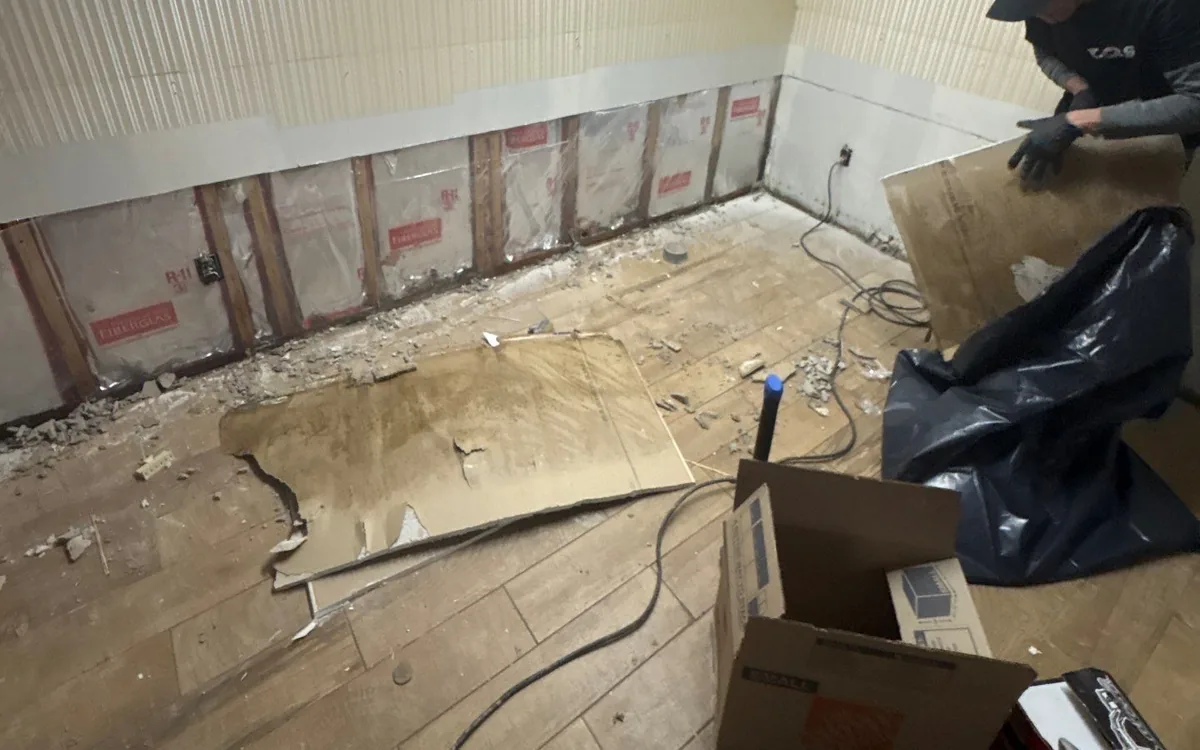
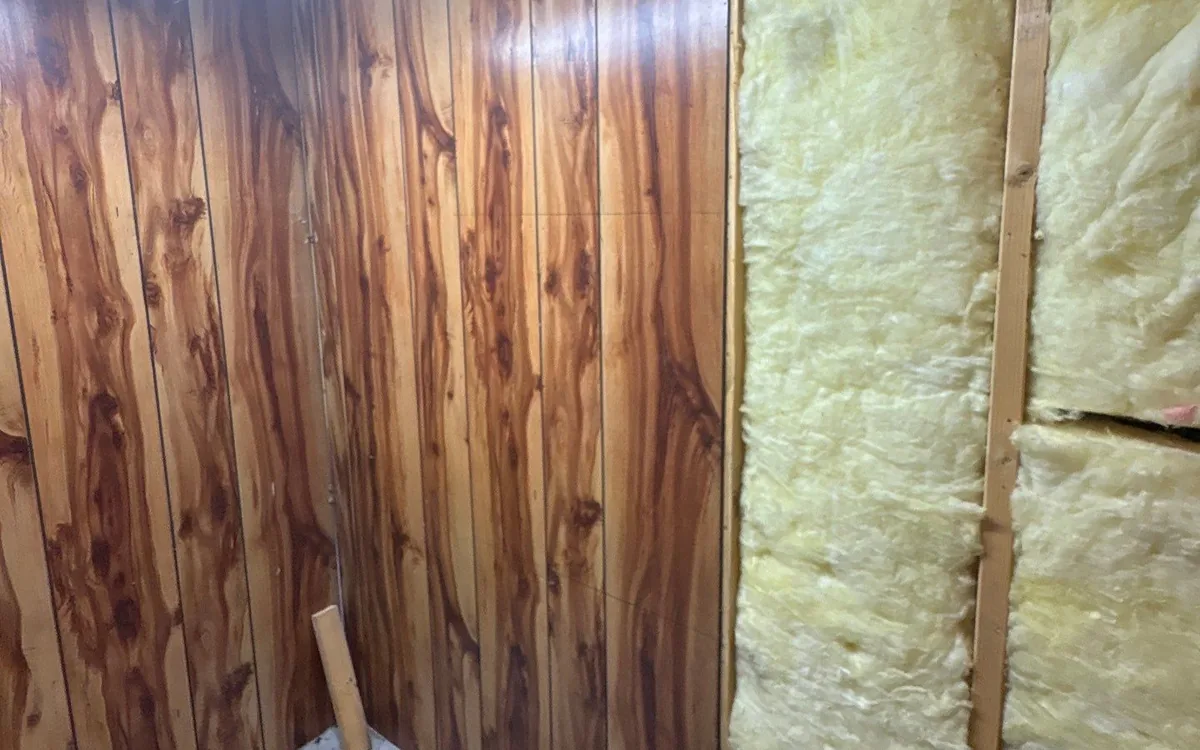
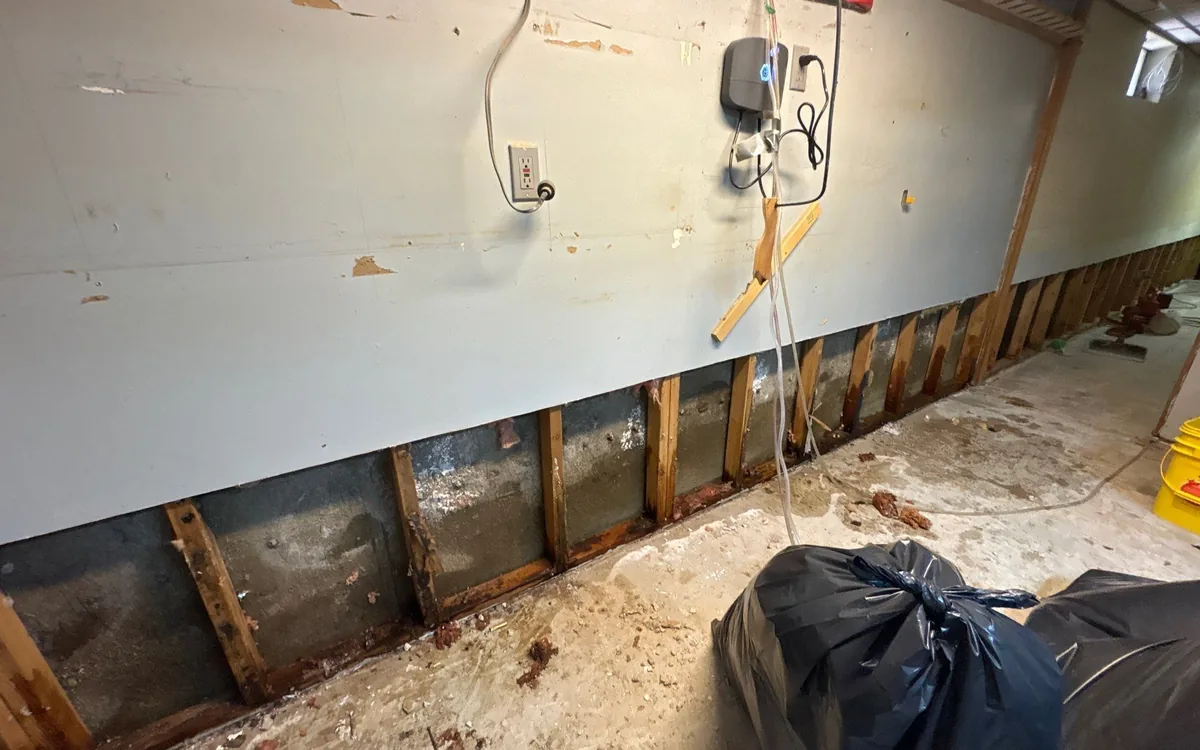
The removed material was bagged and carried straight out to the dumpster in the driveway, so wet debris didn't sit in the basement.
Opening the walls showed why it mattered. Mold had started on the wall studs behind the drywall, where the framing stayed wet against the back of the wall. The growth was moderate.
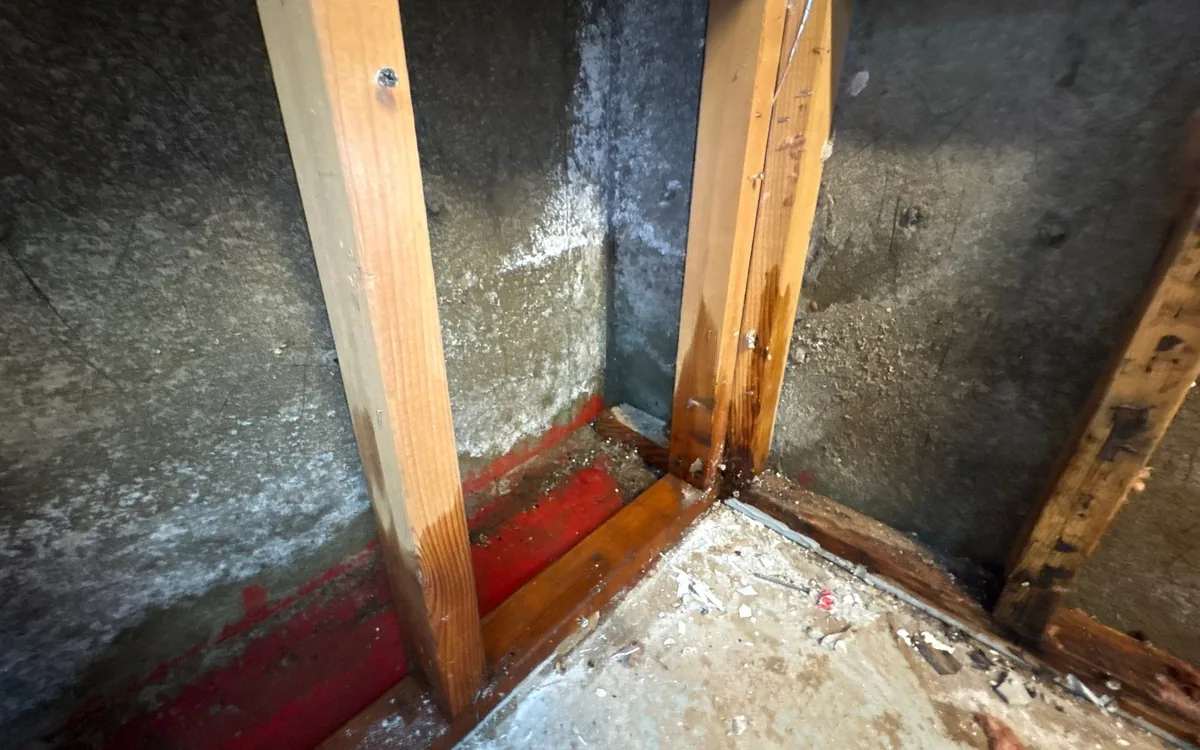
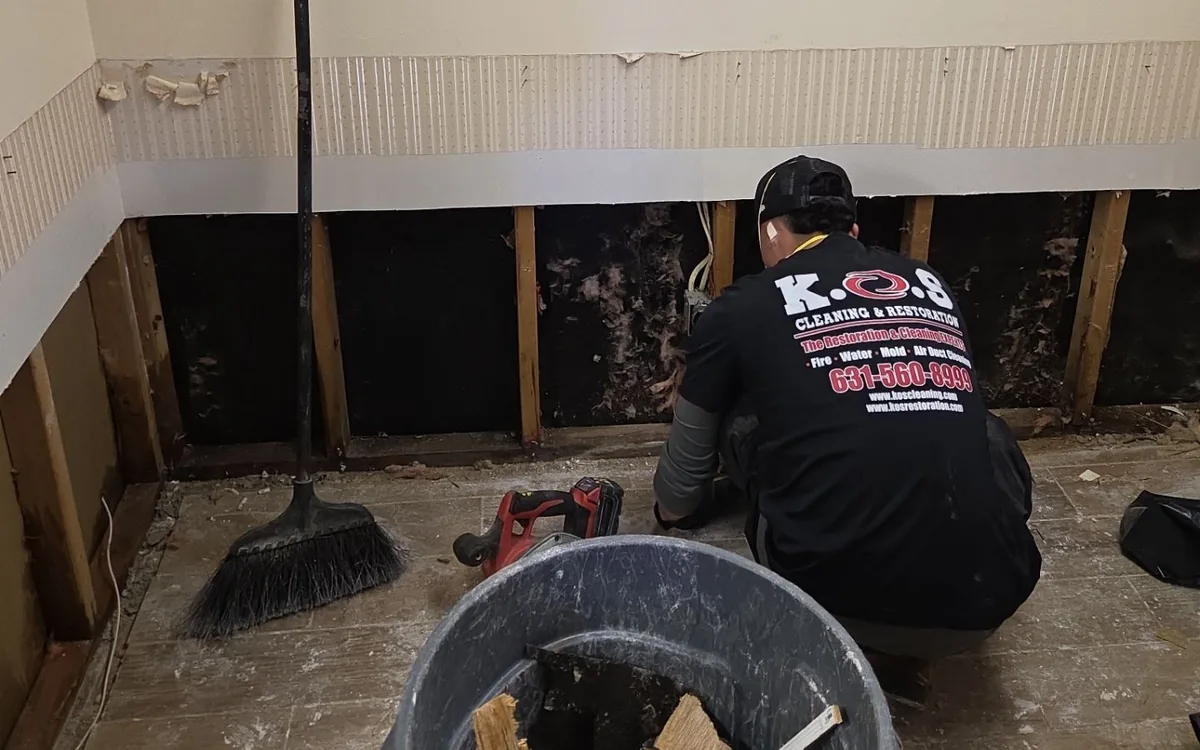
With moderate growth like this, the studs didn't need to be replaced. The crew sprayed the affected framing and cleaned it by hand, stud by stud.
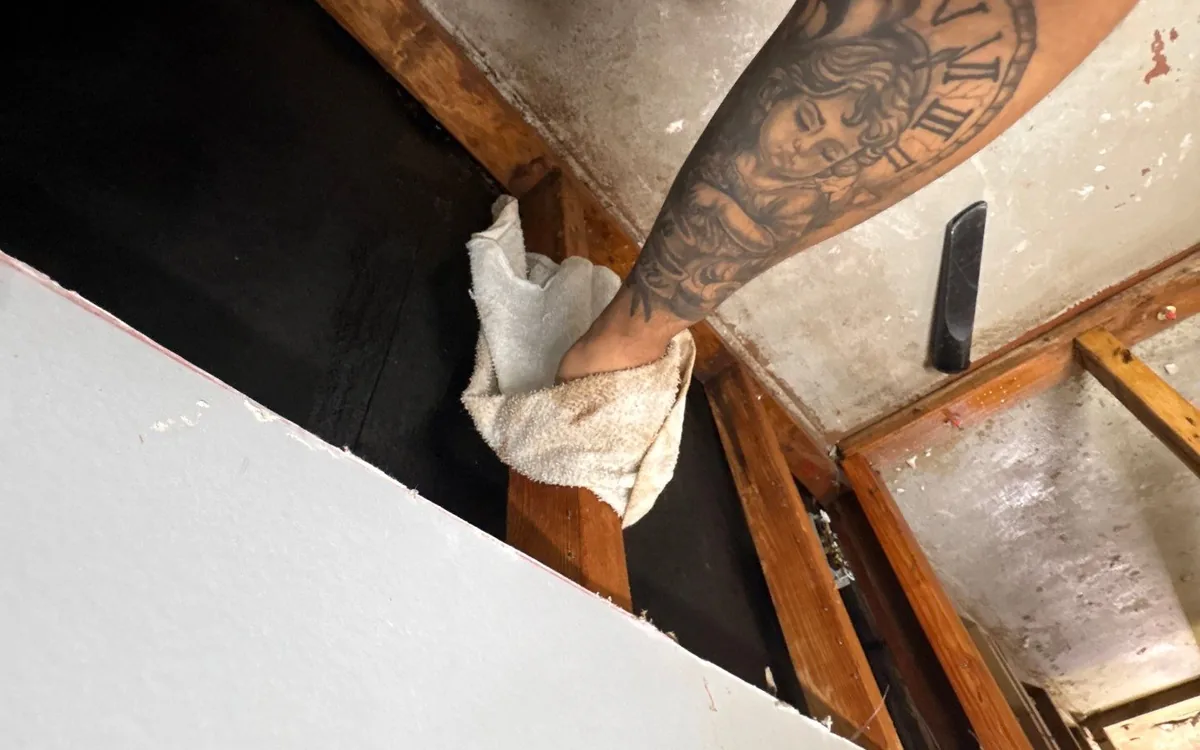
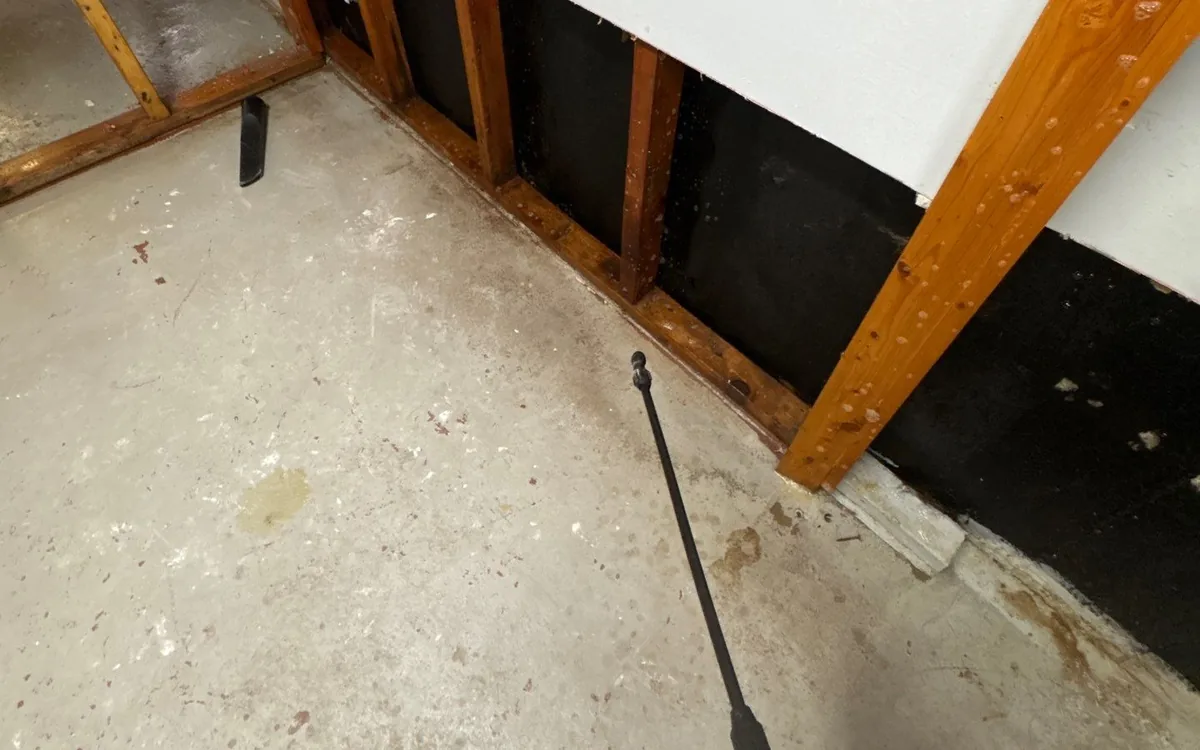
The IICRC S520 mold remediation standard calls for physically removing mold growth and the materials it has ruined, cleaning what stays, and fixing the moisture that caused it. Here that meant taking out the wet drywall and insulation, cleaning the studs, and drying the structure.
Once the walls were open and the studs were clean, the crew reset the drying equipment for the new layout:
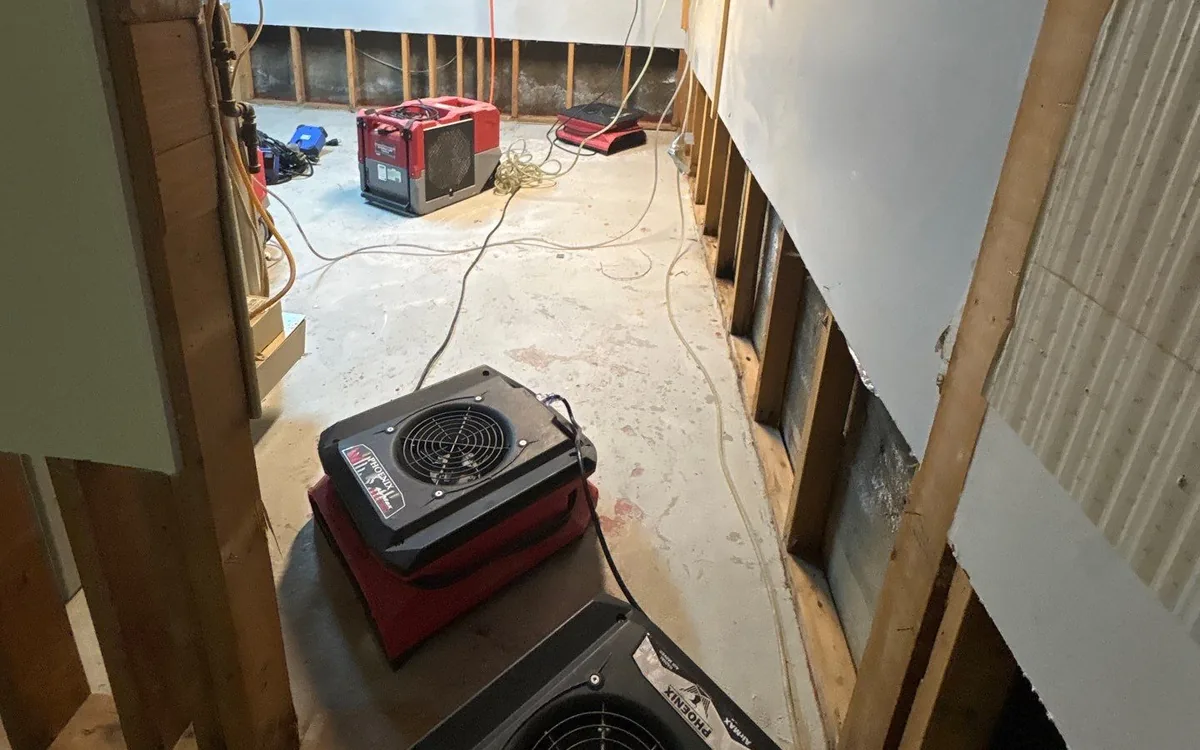
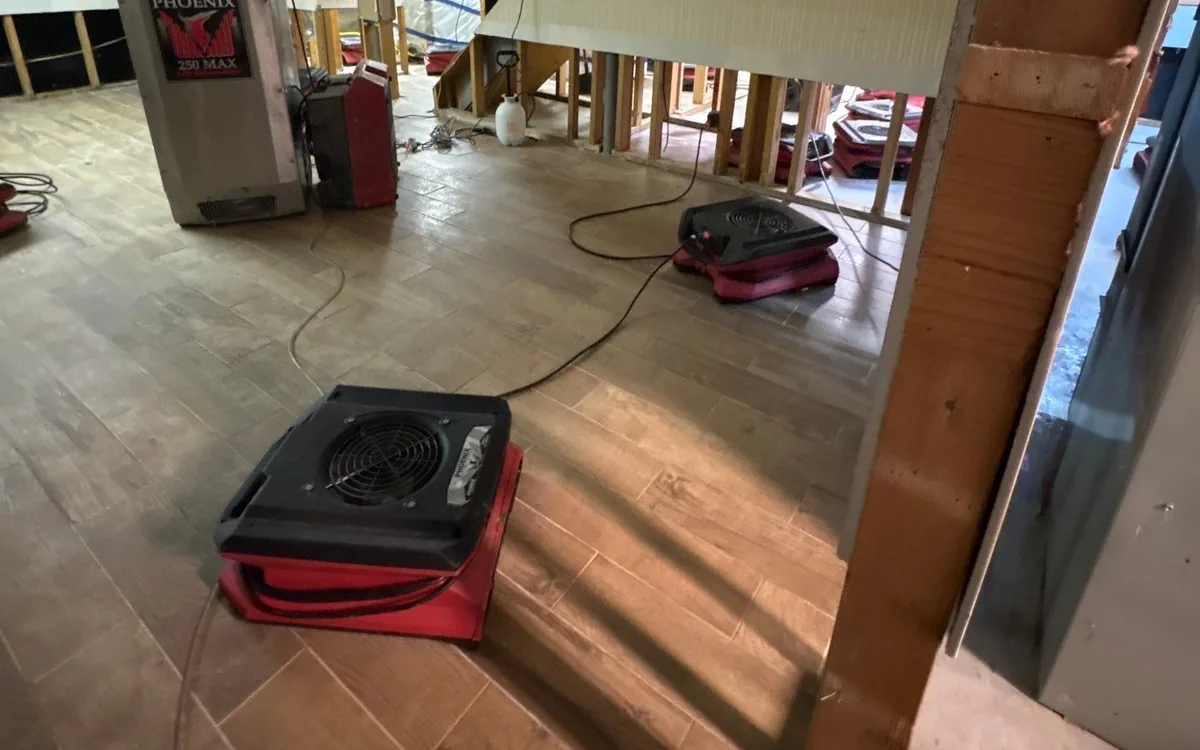
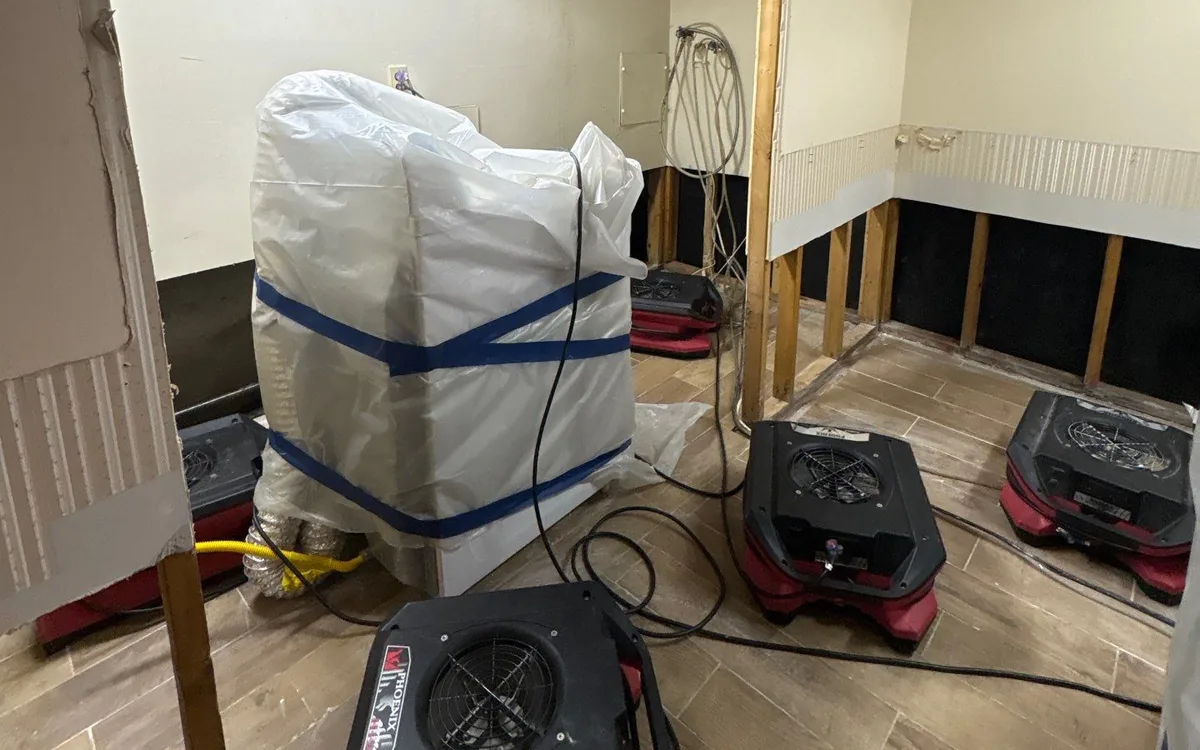
The IICRC S500 water damage standard covers this stage: remove what can't be dried, dry the rest, and confirm it with readings. The equipment stays until the framing reads dry against unaffected parts of the house. Closing up wet studs is how the same mold comes back months later.
The water is out, the belongings are documented and packed, the wet drywall, paneling and insulation are gone, and the mold on the studs has been cleaned. Drying continues until the readings confirm the basement is dry. We'll update this post as the job moves forward.
For similar jobs, see how we handled a water heater leak in a Middle Island garage and a water heater leak in a Westhampton basement.
K.O.S. Restoration handles water damage restoration and mold remediation in East Islip and throughout the Town of Islip, from Islip and Bay Shore to Great River, Islip Terrace and Oakdale. For another South Shore job, see our North Babylon water damage restoration.
If your water heater fails, call (631) 560-8999 any time, day or night. We're IICRC-certified, we've served Long Island since 2006, and we answer 24/7.
The things people ask when they're looking at the same problem.
A lot, and quickly. A tank that fails empties its full volume onto the floor, and the supply line keeps refilling it until someone shuts the water off. In this East Islip basement, that left about a foot of water across a finished space with a bedroom, a living area, closets and stored belongings. Everything in contact with the water, from the drywall and paneling to furniture, bedding and boxes, needed to be dealt with.
Drywall, paneling and insulation soak up water from the bottom and hold it against the studs. Air movers can't dry what's sealed behind a finished wall, so the crew removes the wet material along the bottom of the walls, a flood cut, set by moisture readings. That exposes the framing so it can dry and so any mold behind the wall can be found and cleaned.
They're documented first, so there's a record of what was in the basement and its condition for you and your insurance company. Then they're boxed and moved out of the work area to somewhere safe and dry. In East Islip, the homeowner's belongings went into the garage on plastic sheeting, and items too large to move were wrapped and taped in place. Moving everything out lets the crew open the walls and dry the basement without working around furniture.
Yes. Mold can start on wet building materials within 24 to 48 hours, and the space behind finished basement walls is dark and damp. In this basement the mold was moderate and on the wall studs, found once the drywall came off. The studs were sprayed and cleaned by hand while the drying equipment ran.
A sudden failure that floods a basement is often covered, while damage from a slow leak over time or a worn-out heater may not be, and mold coverage is frequently capped. K.O.S. documents the job with photos, moisture readings, a contents record and a written scope so the adjuster has what they need.
Yes. K.O.S. Restoration provides 24/7 water damage restoration and mold remediation in East Islip and across the Town of Islip, including Islip, Bay Shore, Great River, Islip Terrace and Oakdale. Call (631) 560-8999.
If storm flooding damages your home, K.O.S. Restoration provides 24/7 IICRC emergency flood cleanup across Long Island & Queens. Fast response Call (631) 560-8999.
· 3 min read
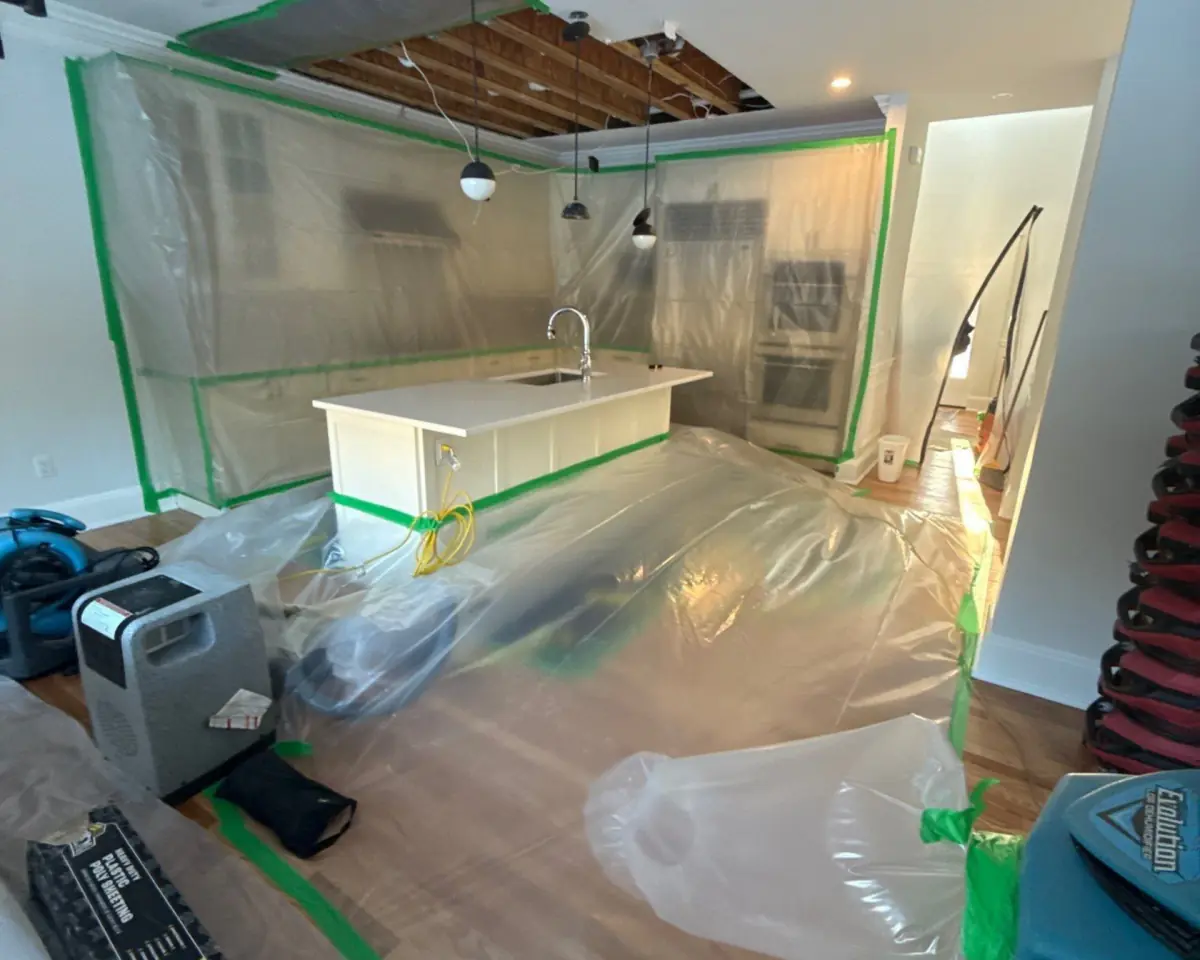
A failed plumbing connection in the bathroom sent water through the kitchen ceiling and down into the basement. Extraction, moisture mapping and mat drying saved the hardwood instead of replacing it.
Quogue, NY · · 2 min read
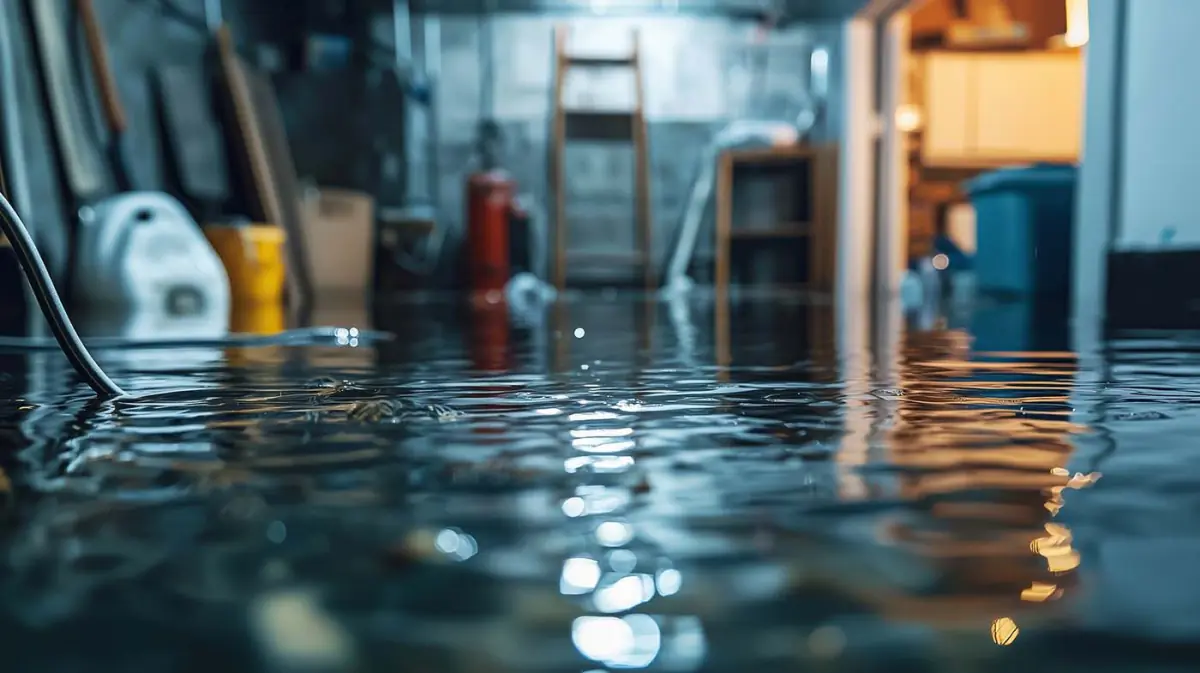
Storm flooded your basement? Learn what to do next. K.O.S. Restoration offers 24/7 water damage cleanup across Suffolk County.
· 2 min read
Real person · 24/7 · 45-minute response
Start the clock(631) 560-8999