Soft washing vs. pressure washing on Long Island: which one your house actually needs
They're not the same service, and using the wrong one is how siding cracks and paint strips. Here's which surfaces take pressure, which need low-pressure chemistry, and why most homes need both.
Tom Cwalinsky··2 min read
The short answer
Soft washing and pressure washing are two different methods. Soft washing
uses low pressure plus cleaning solutions to remove algae, mold and buildup
from delicate surfaces like siding, cedar shake and roofs. Pressure washing
uses high-pressure water to strip dirt and stains from hard surfaces like
concrete and pavers. Most Long Island homes need both, on different parts
of the house.
What pressure washing is for
High-pressure water, no chemistry required. It's the right tool for hard,
durable surfaces:
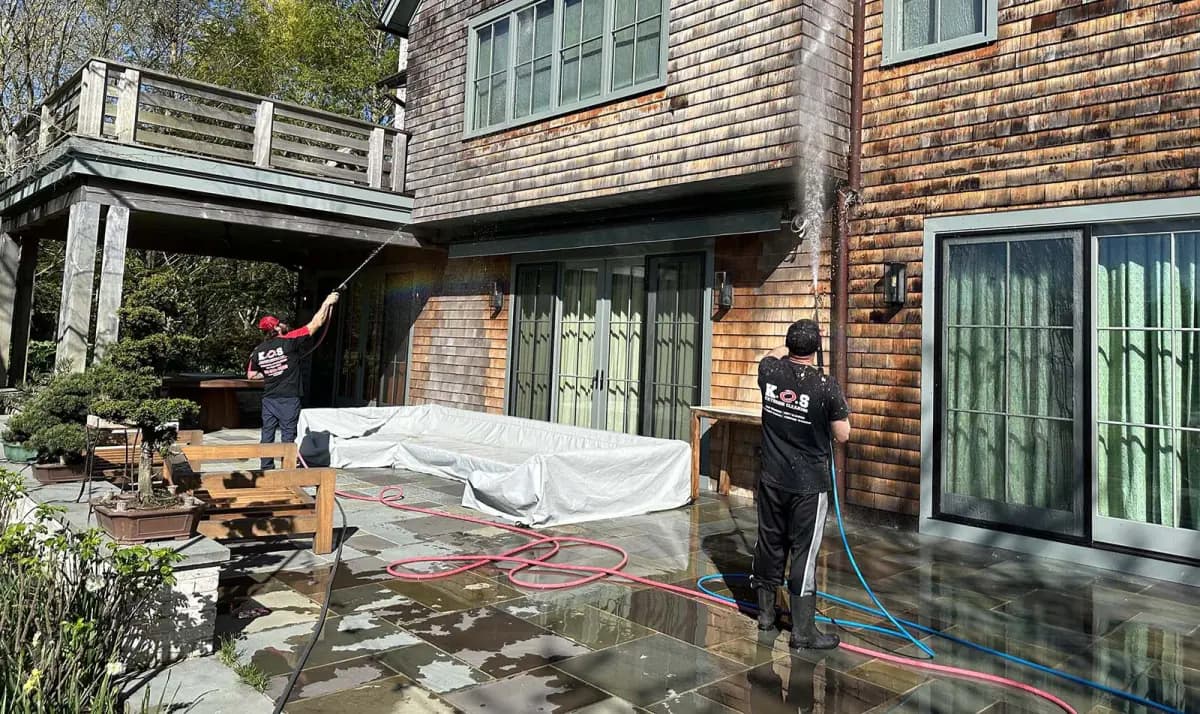
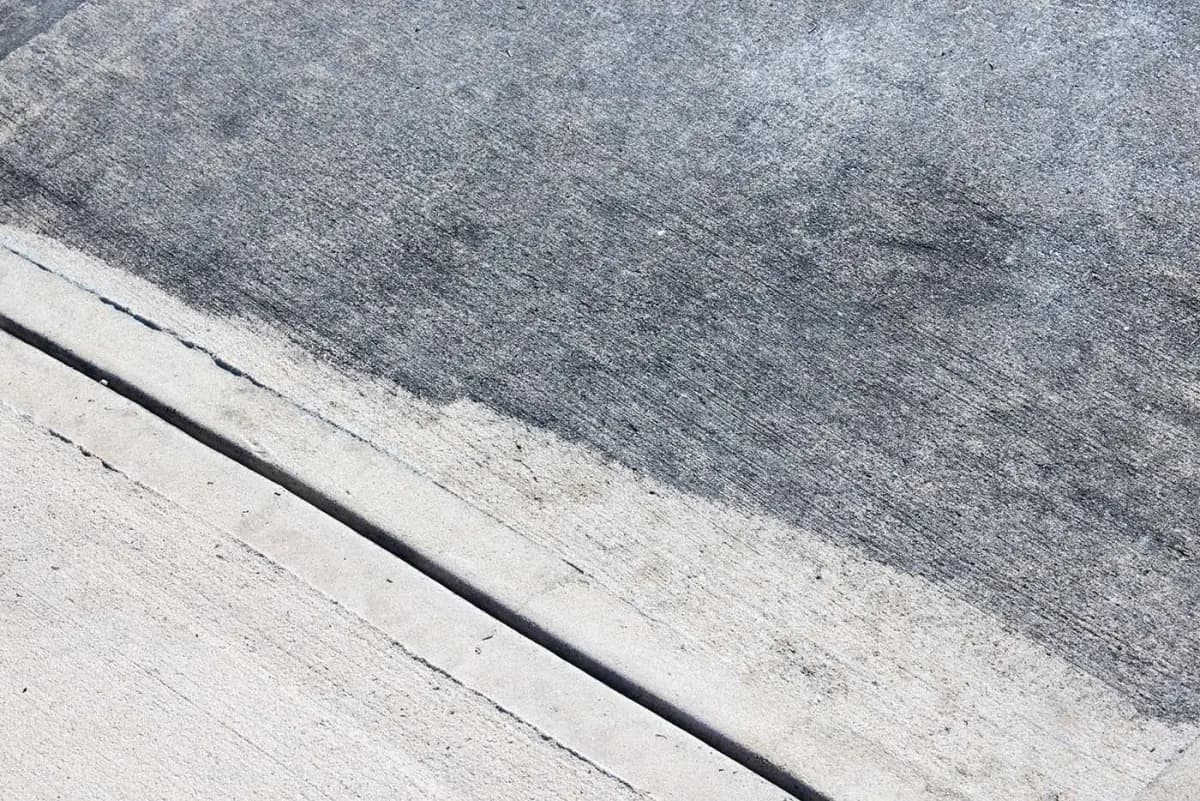
concrete driveways and walkways
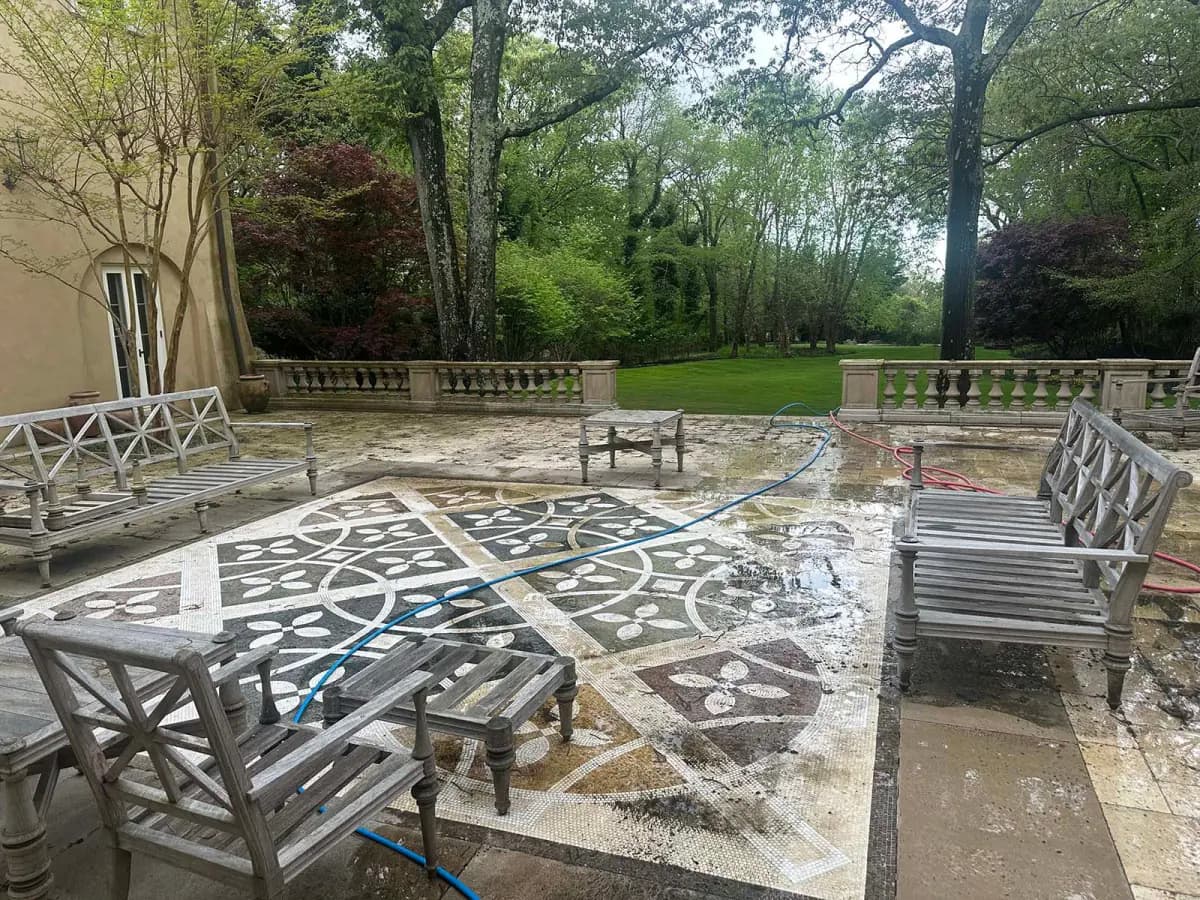
pavers and patios
masonry and stone
decks, with the pressure dialled down
It is not meant for every surface. Used incorrectly it strips paint,
damages siding, and forces water into places it can't drain from.
What soft washing is for
Soft washing swaps pressure for chemistry: low-pressure water carrying
cleaning solutions that break down organic growth at the source. It's what
you want on anything delicate or porous:
vinyl, wood and cedar shake siding
roofs — shingles in particular
painted and stained exterior finishes
anything with seams water can be driven behind
The important difference is that soft washing doesn't just clean what you
can see. It kills the algae, mold and mildew at the root, which is why the
result lasts longer than a rinse.
What happens when you use the wrong one
This is where homeowners get hurt. Pressure washing the wrong surface
produces:
cracked or loosened siding
water driven behind panels
permanent streaking
stripped paint and damaged finishes
We've been called to jobs where a straightforward cleaning turned into a
repair bill because the wrong method was used first. The skill isn't in the
machine; it's in knowing what each surface needs.
What Long Island homes deal with specifically
The conditions here are consistent enough to predict:
north-facing walls grow green algae, because they stay shaded and damp
shaded areas hold moisture long after the rest of the house dries
driveways darken over years from traffic, oil and weather
coastal air accelerates organic growth on everything
So for most houses the honest answer isn't one method or the other. It's
soft washing the siding and roof, pressure washing the driveway and patio,
and knowing where the line between them falls.
When to schedule it
Spring is the natural time. After a winter of moisture and debris, growth
and staining are at their most visible, and cleaning early stops buildup
compounding through the season.
If you're not sure what your house needs, we'll look at it and tell you
plainly — including when the answer is that it doesn't need much.
The things people ask when they're looking at the same problem.
Is soft washing better than pressure washing?+
Neither is better — they do different jobs. Soft washing is for delicate surfaces like siding, cedar shake and roofs; pressure washing is for hard surfaces like concrete, pavers and masonry.
Can pressure washing damage my home?+
Yes. On the wrong surface, or at too high a pressure, it cracks siding, strips paint and forces water behind panels where it has no way out.
How long does soft washing last?+
Longer than pressure washing on the same surface, because the cleaning solution kills the algae and mildew at the root rather than blasting the visible layer off and leaving the spores behind.
What's best for patios and driveways?+
Pressure washing. Concrete and pavers are hard, non-porous surfaces that take the pressure well and respond to it better than chemistry alone.