Basement Mold Remediation After a Water Heater Leak in Westhampton, NY
A leaking water heater in this Westhampton basement created hidden moisture behind flooring and walls, which allowed mold to grow before the homeowner realized it. Our IICRC-certified team contained the affected areas, dried the space, removed contaminated materials, and safely cleaned mold spores using HEPA filtration to protect the home and indoor air quality.
It Started With a Basement Water Heater Leak
This Westhampton homeowner called K.O.S. Restoration after discovering a water heater leak in their basement. At first glance, it didn’t seem catastrophic, just water on the floor and damp areas near the unit. But basements have a way of hiding problems.
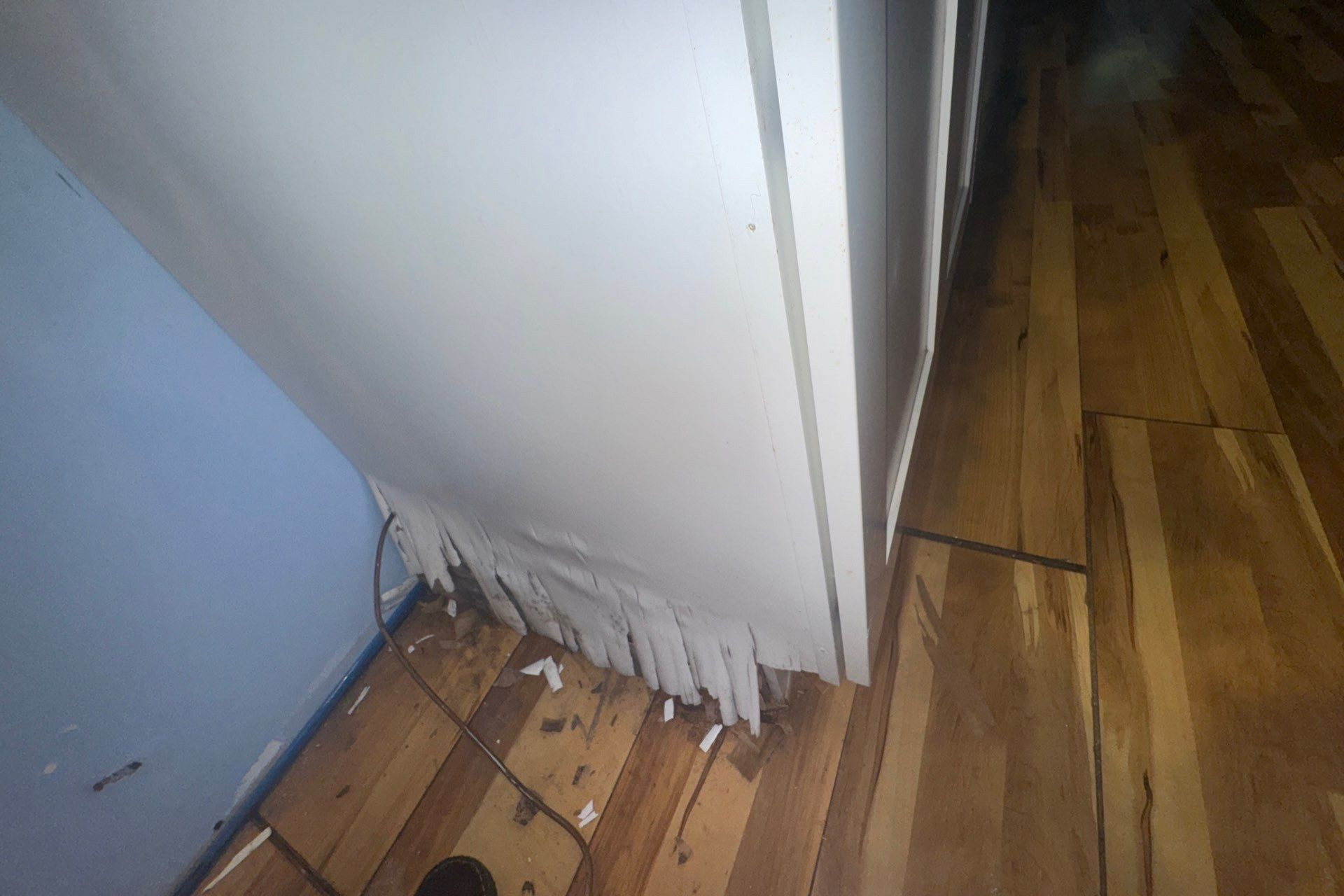
Moisture had already seeped into the flooring and lower portions of the walls. That trapped dampness created the perfect environment for mold to grow quietly, out of sight.
This is one of the most common ways mold problems begin, not from flooding, but from everyday leaks that don’t get addressed fast enough.
Why Basement Leaks Often Turn Into Mold Problems
Basements are especially vulnerable to mold after leaks because:
- Moisture gets trapped behind walls and under flooring
- Air circulation is limited compared to upper floors
- Porous materials like drywall and wood absorb water quickly
- Mold can begin growing in as little as 24–48 hours
In many cases, homeowners don’t see mold right away. They may notice musty odors, increased humidity, or worsening air quality before visible growth appears.
By the time this homeowner noticed something was wrong, mold had already begun spreading in the affected areas.
What Our Team Found During the Inspection
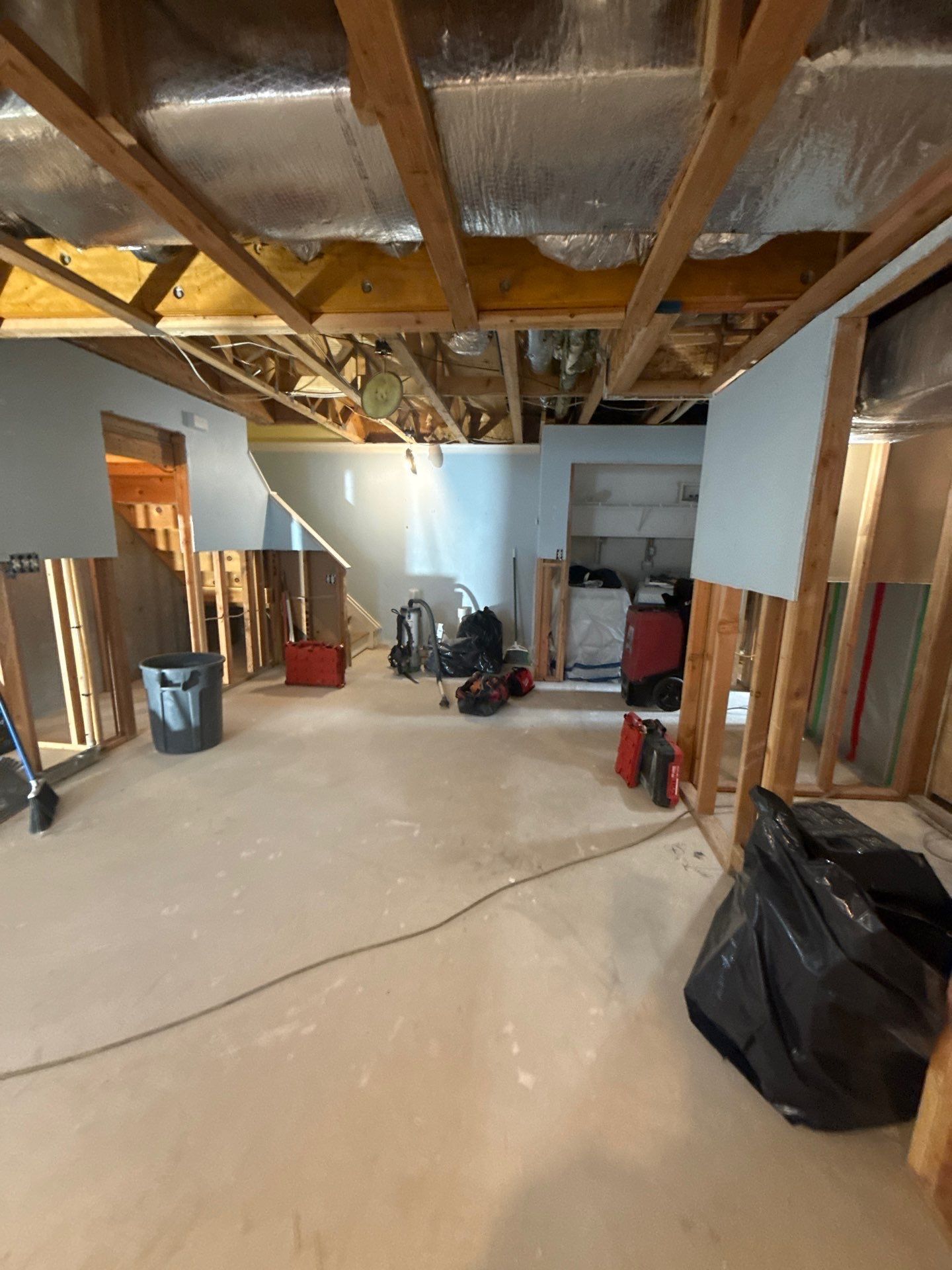
When our team arrived, we performed a full assessment of the basement to determine how far the water damage and mold had spread.
We found:
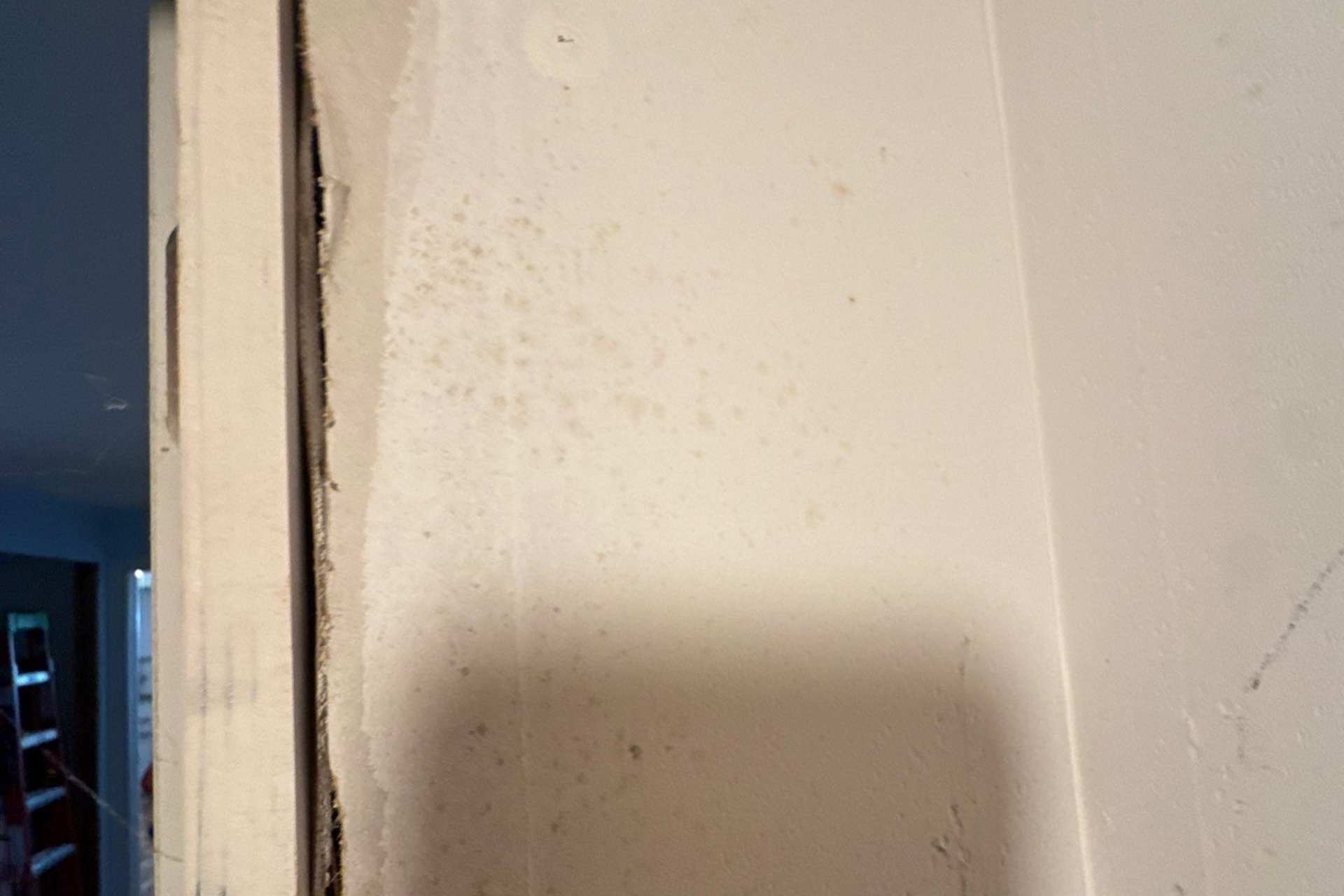
- Water-damaged flooring that retained moisture
- Saturated drywall along the lower walls
- Conditions that allowed mold growth to extend beyond the immediate leak area
This confirmed that proper containment and remediation were necessary, not just basic cleanup.
How We Contained, Dried, and Removed the Mold
Mold remediation is about control, precision, and safety. Here’s how the project was handled:
- Assessed moisture levels and identified affected materials
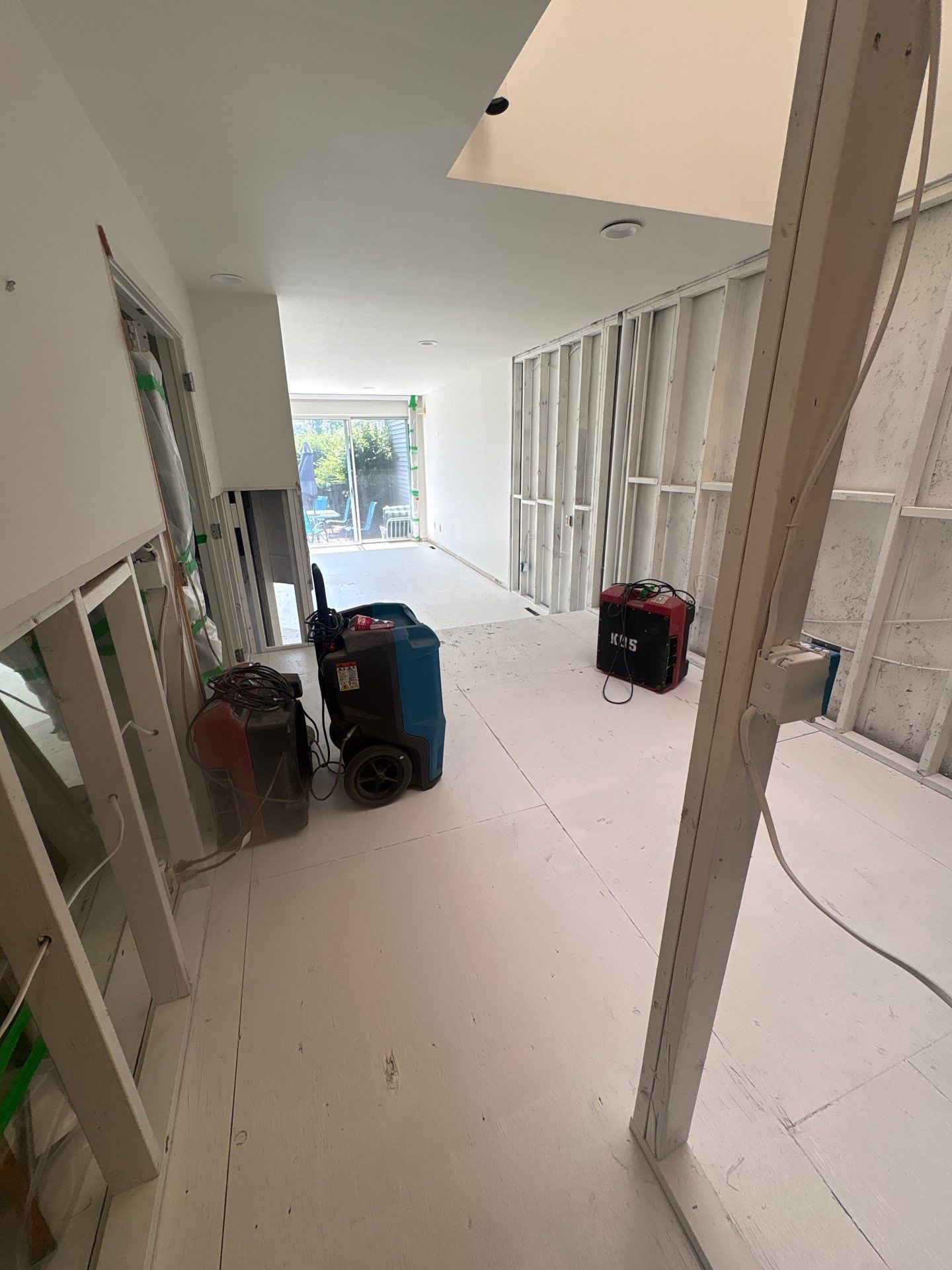
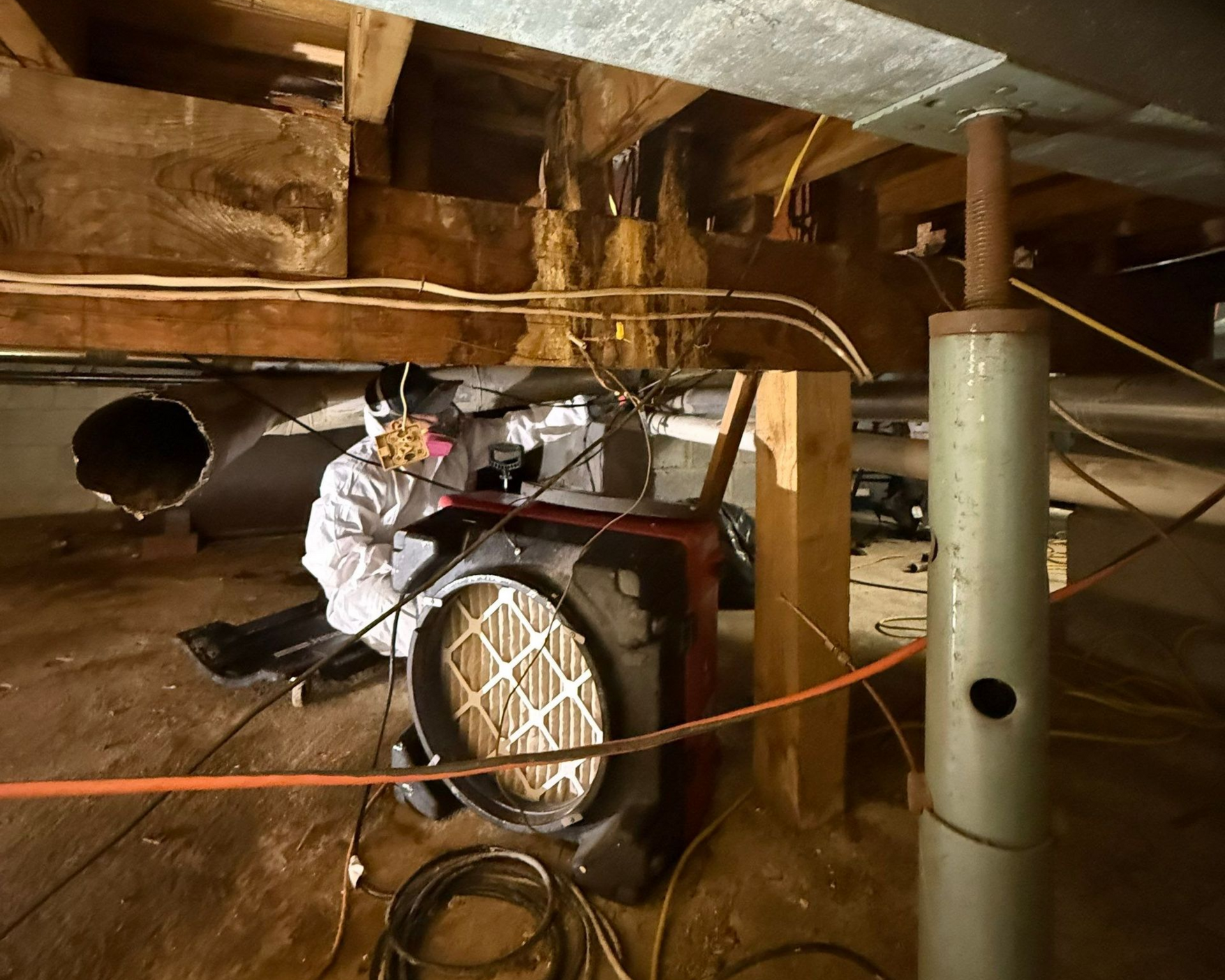
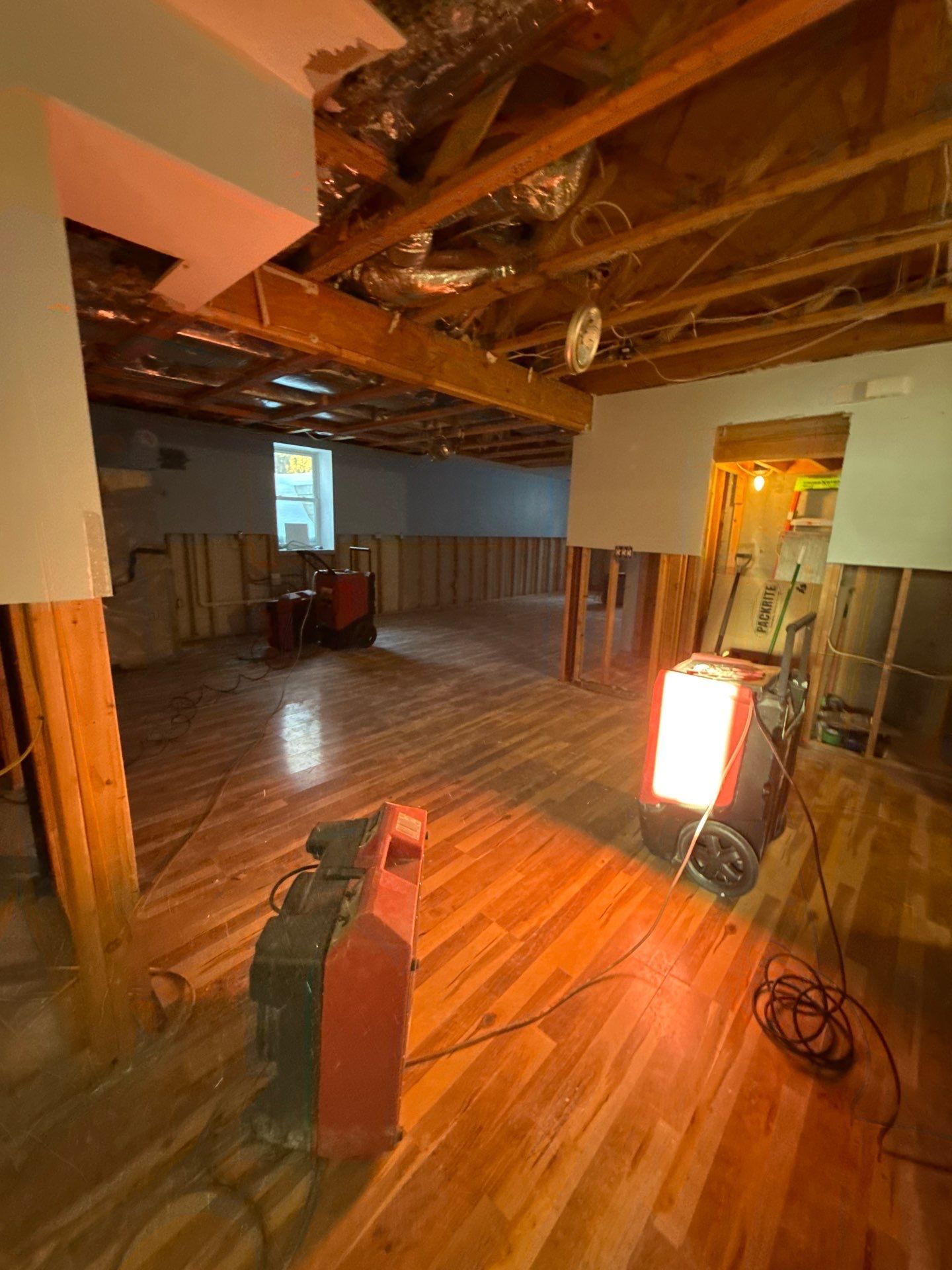
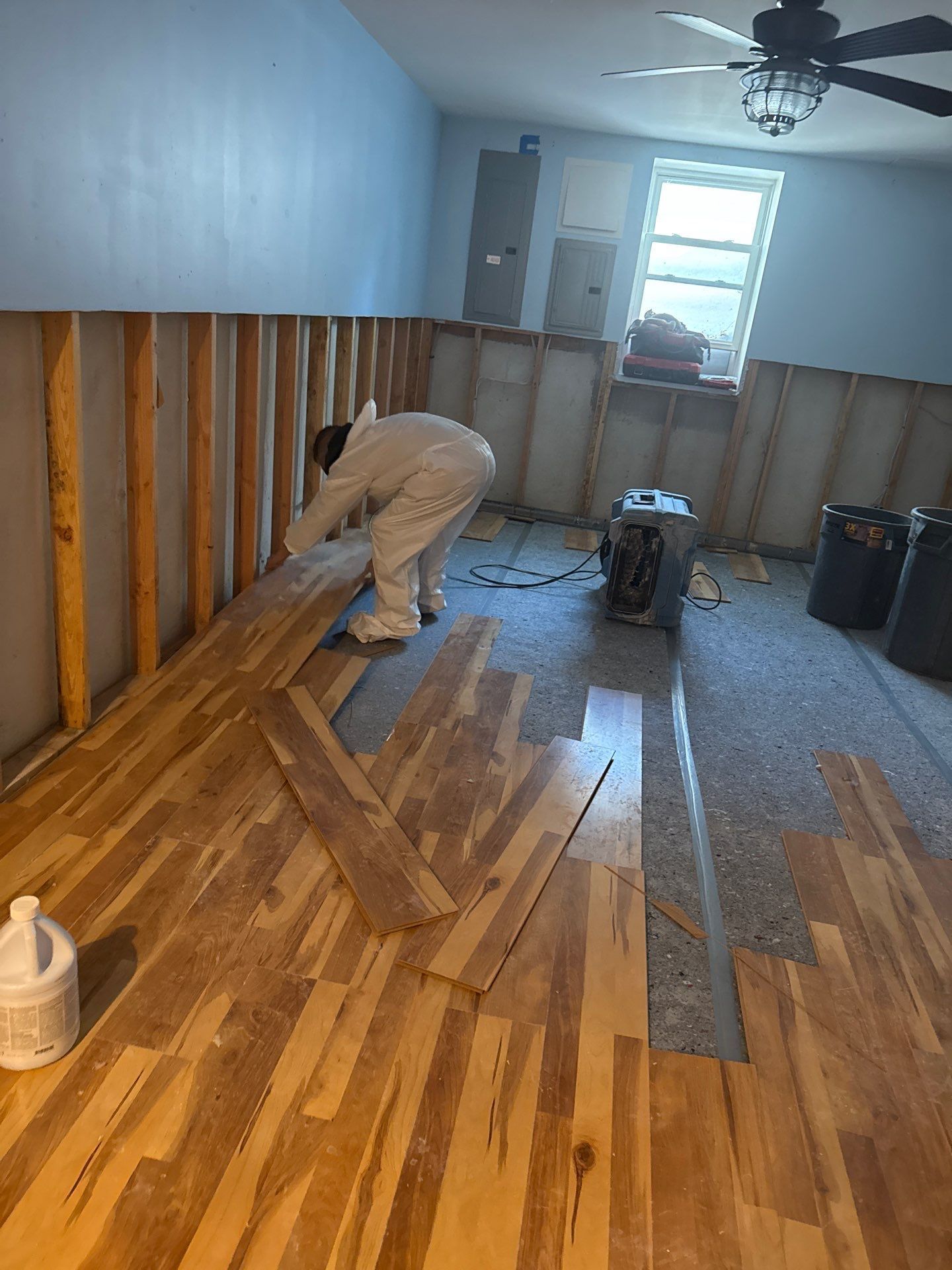
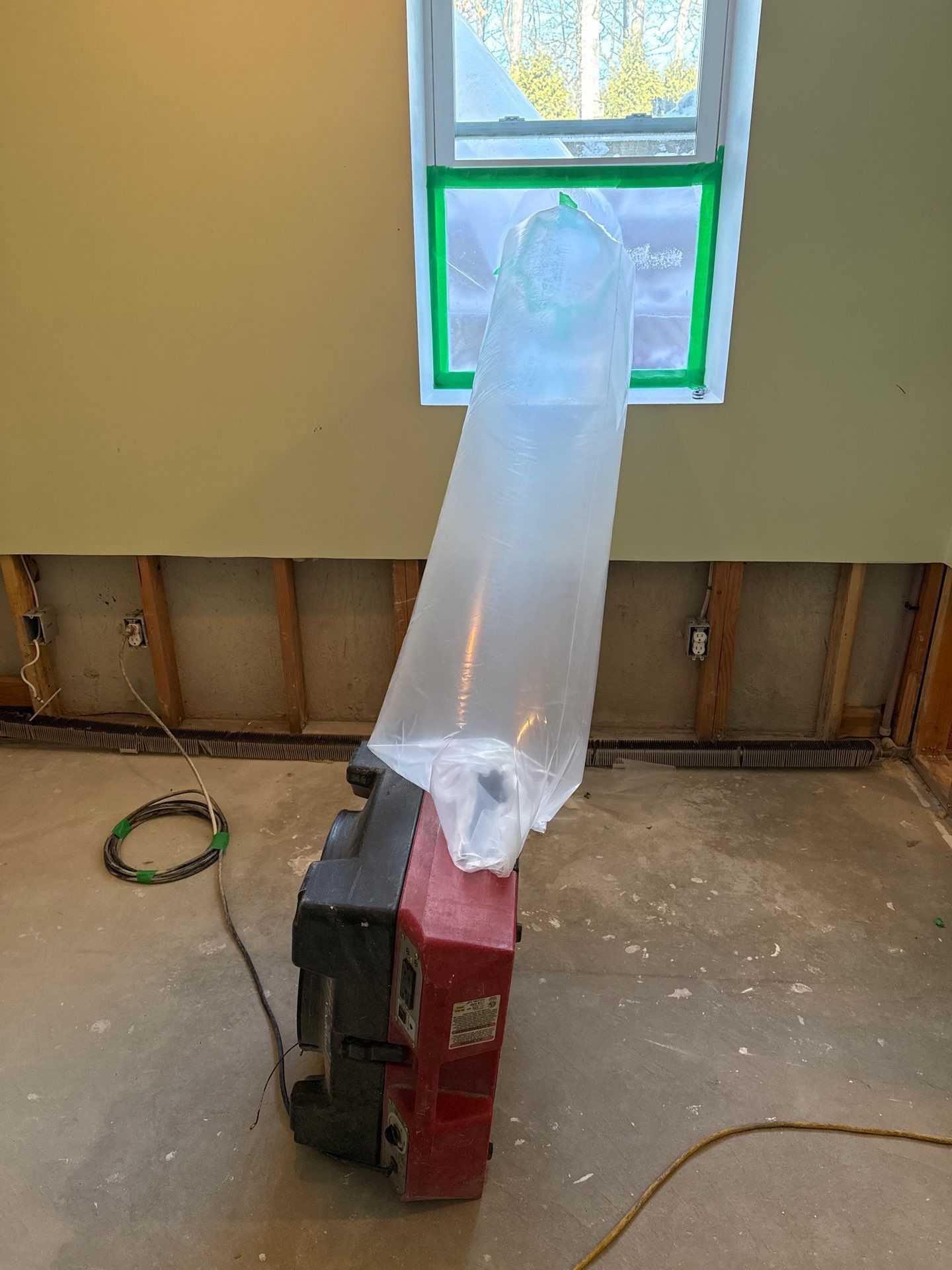
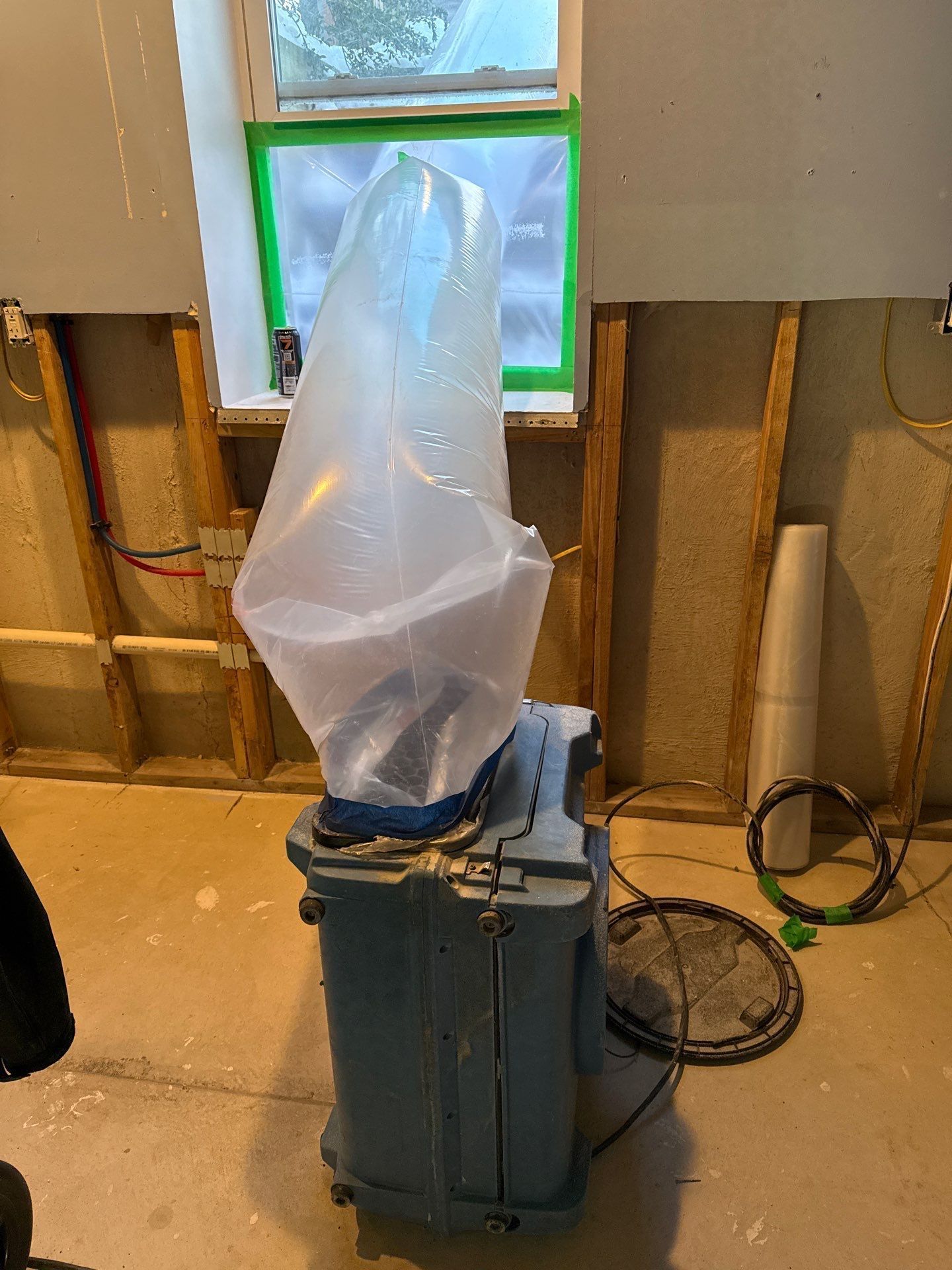
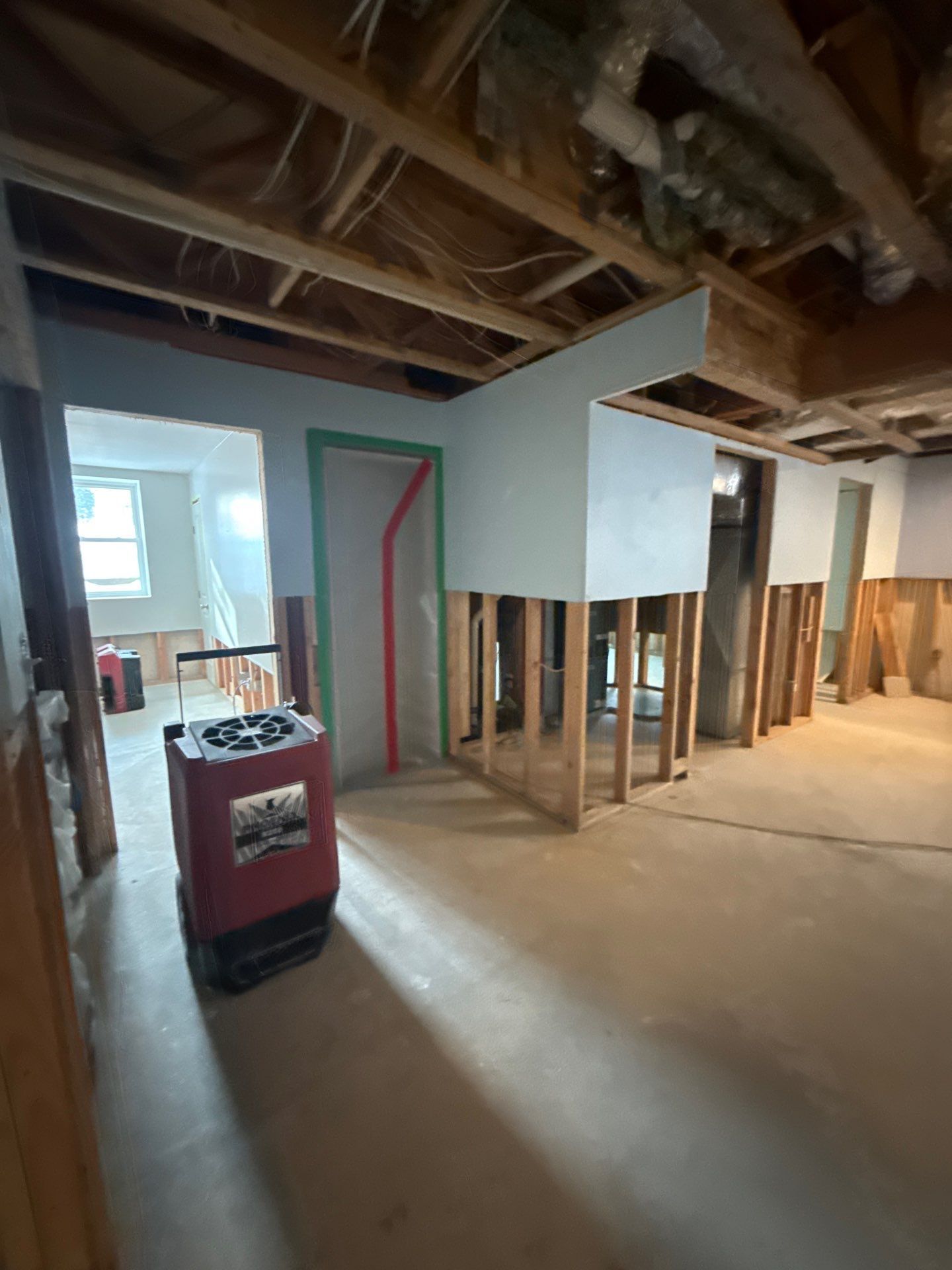
- Set up professional drying and dehumidification equipment
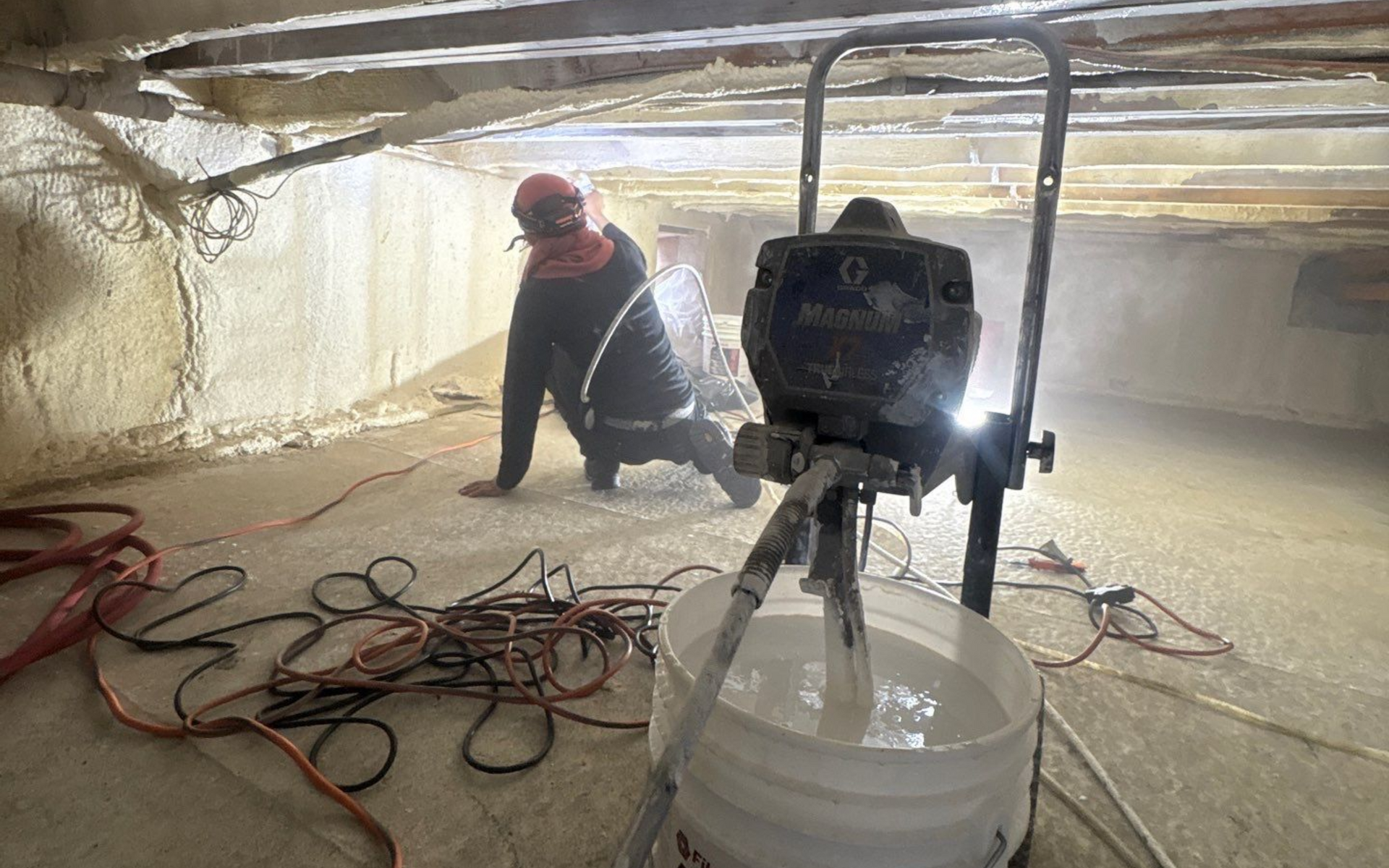
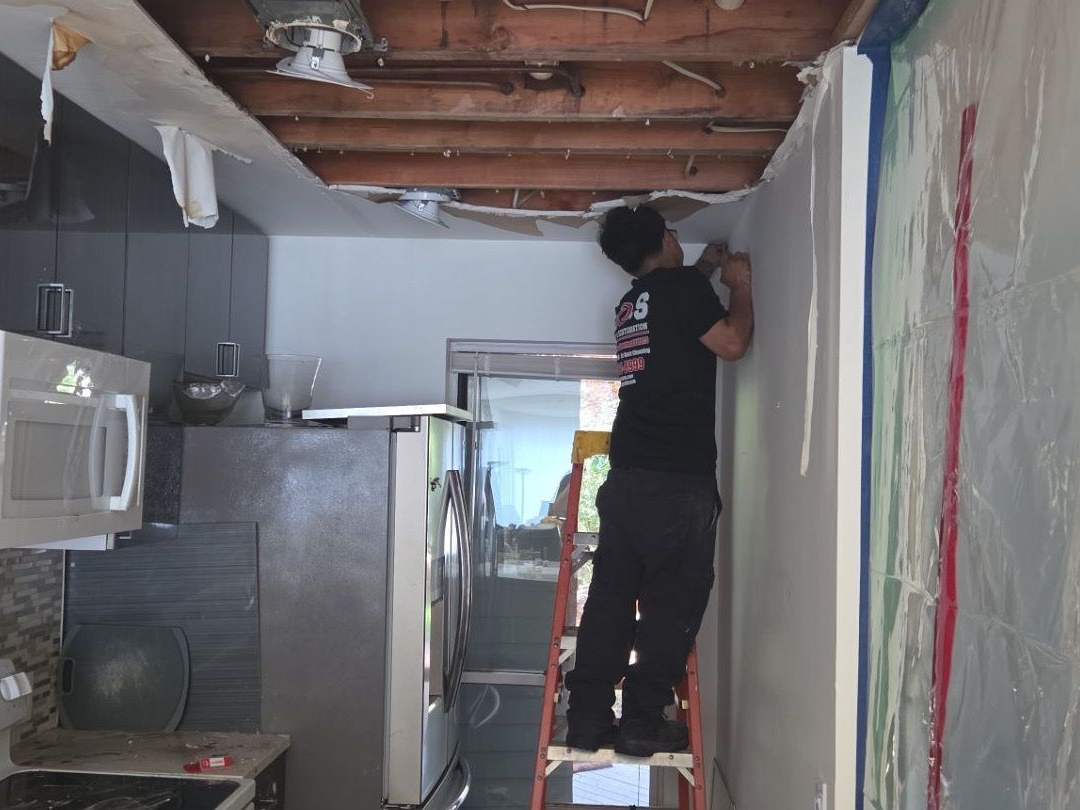
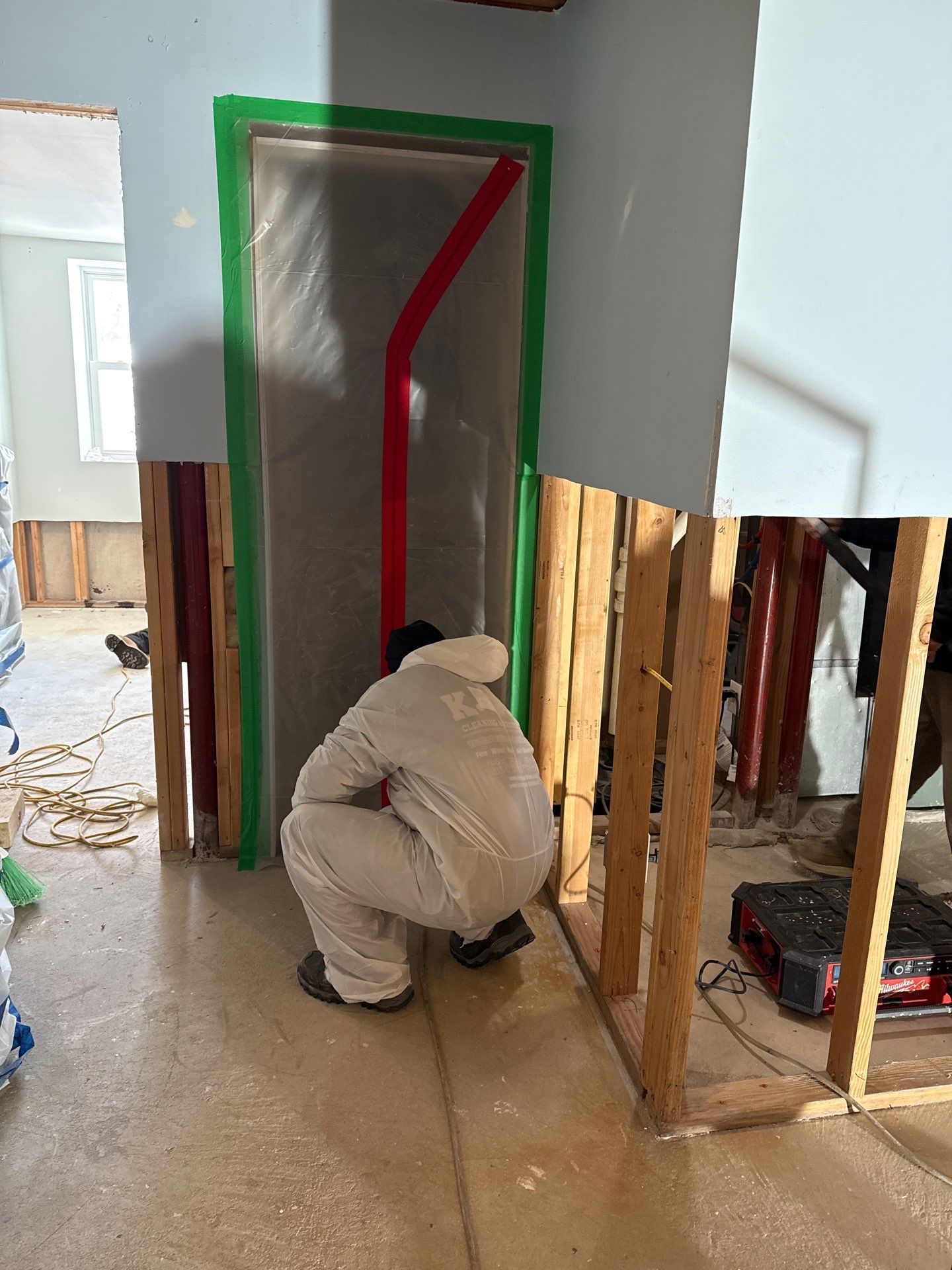
- Installed containment barriers to prevent cross-contamination
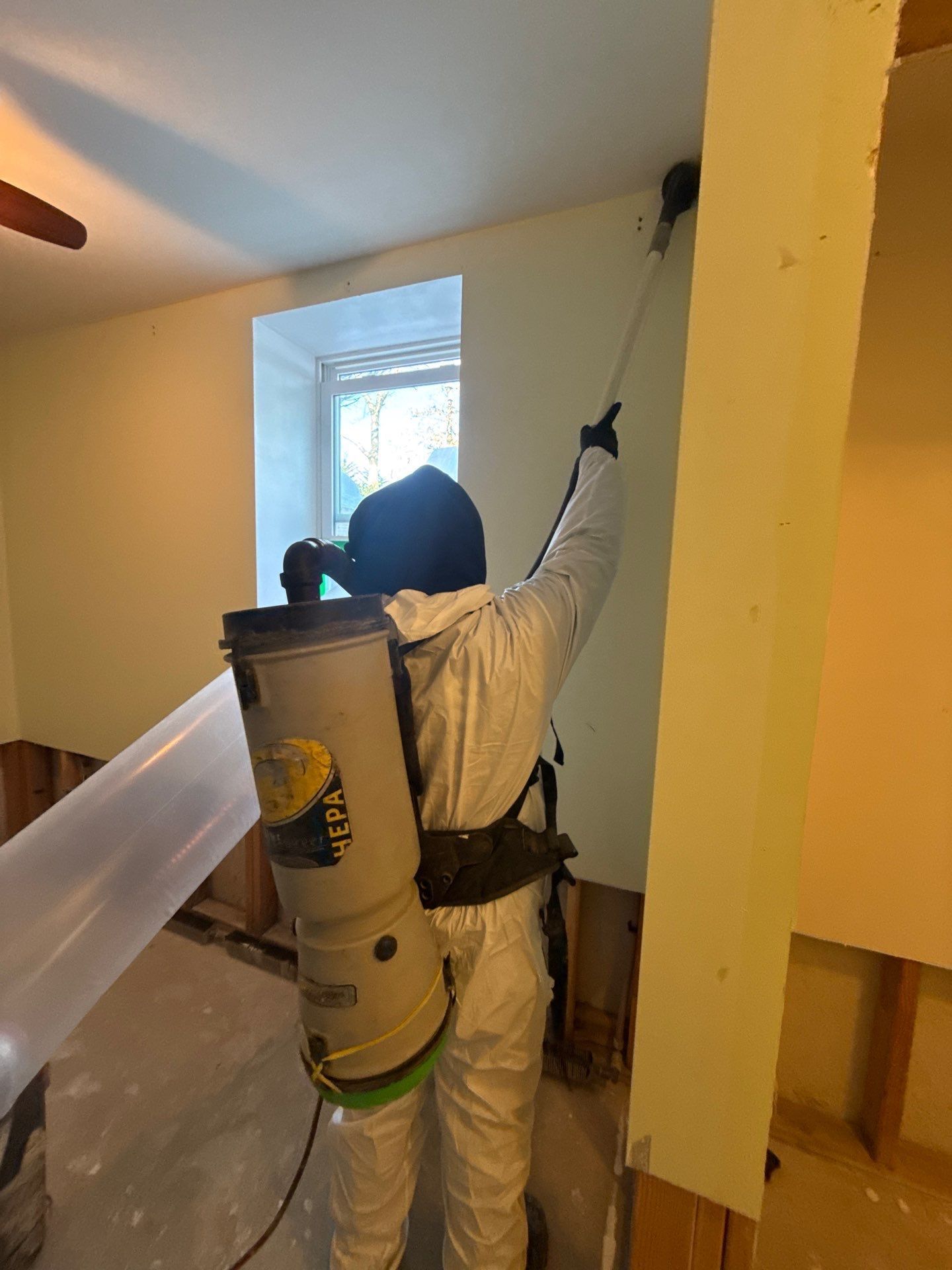
- Deployed ventilation and air filtration systems to remove airborne spores
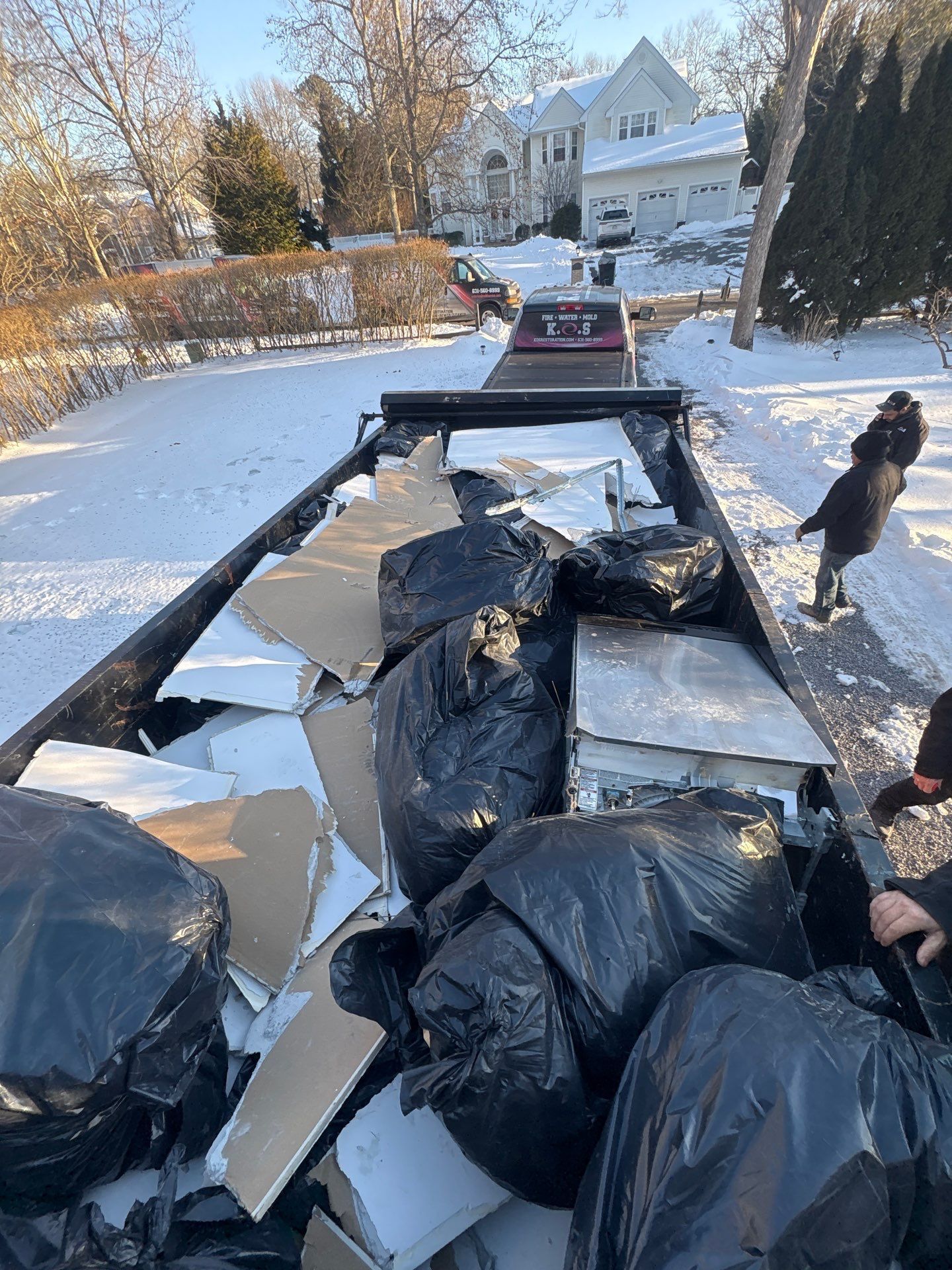
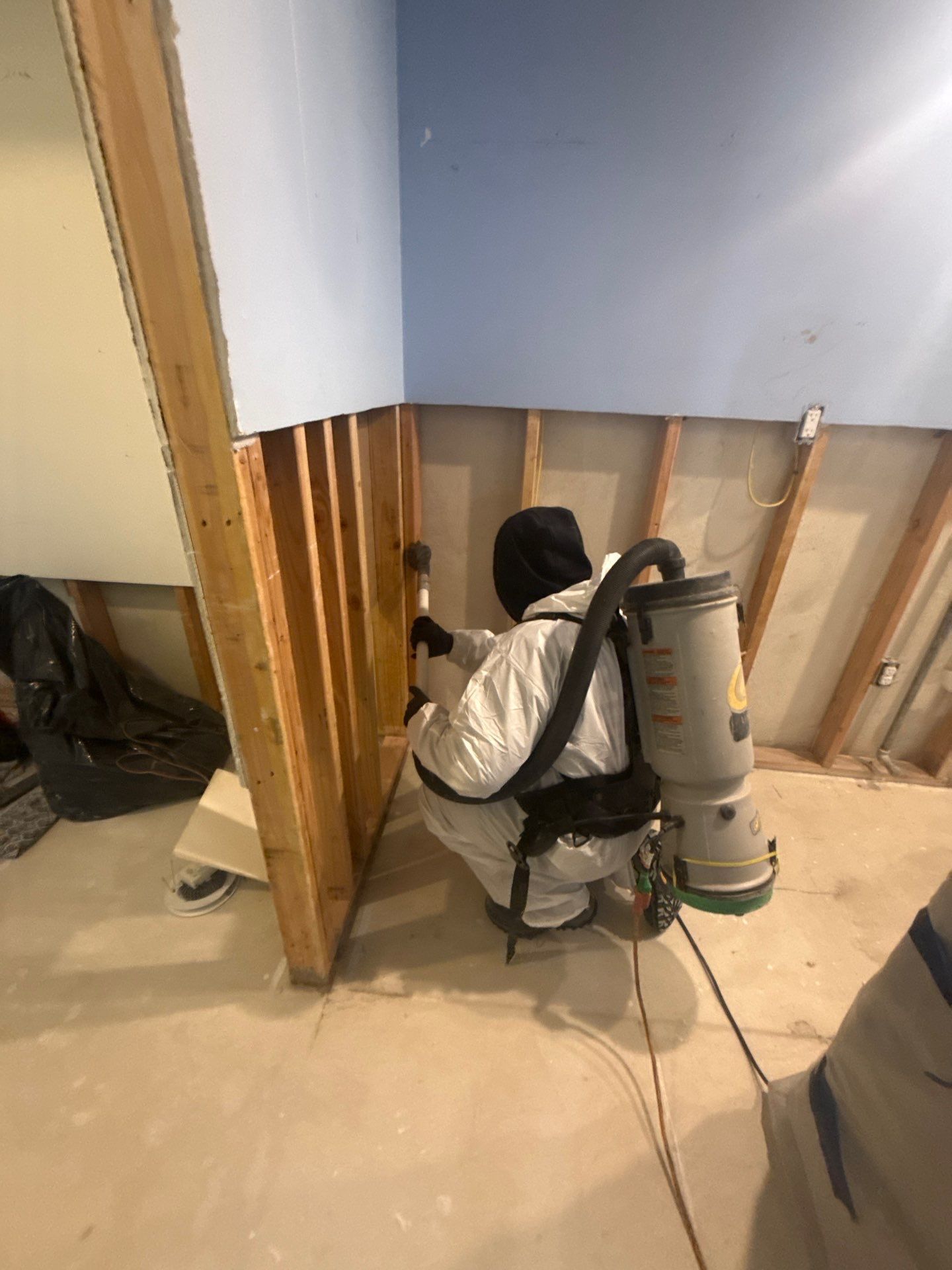
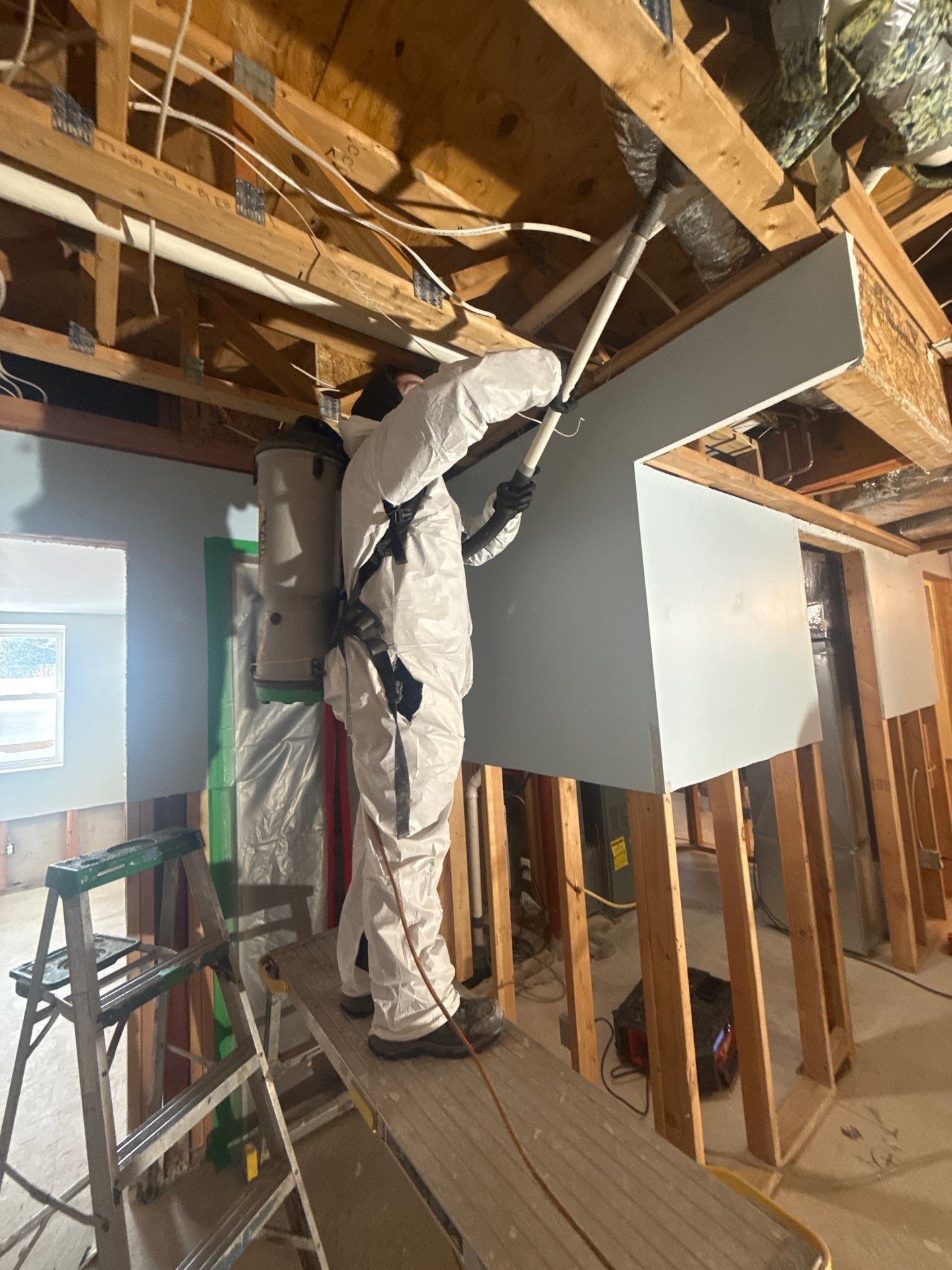
- Removed damaged flooring, drywall, and compromised building materials
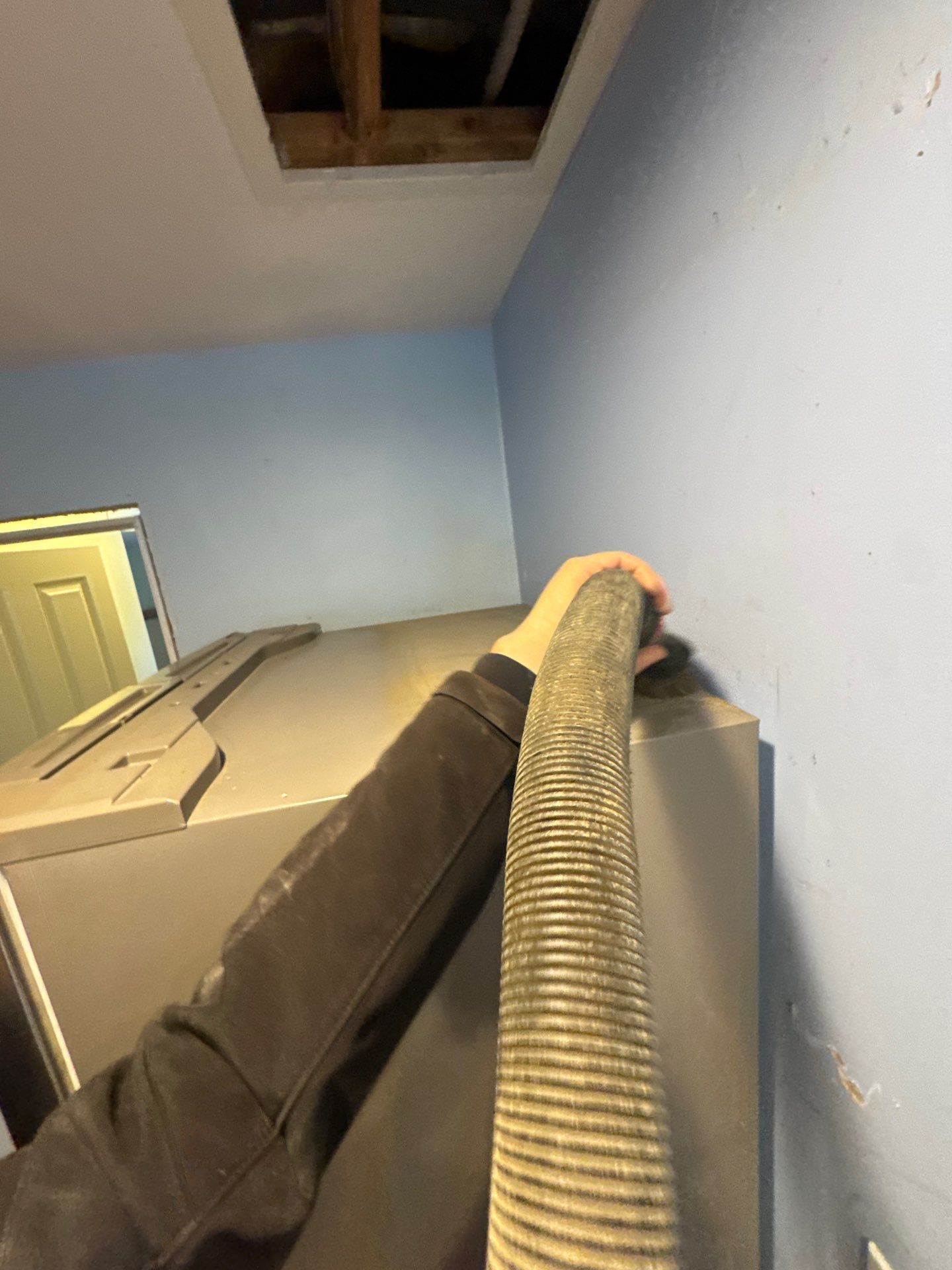
- HEPA vacuumed all exposed surfaces, including personal items in the affected space
Every step was done to ensure mold spores were safely removed and not spread to other areas of the home.
Why Acting Fast Makes All the Difference
This project is a perfect example of how a small leak can become a much bigger, and more dangerous, problem when moisture is left behind.
Mold doesn’t need standing water to grow. It just needs damp materials and time.
Catching leaks early and drying them properly can prevent:
- Costly material removal
- Health concerns related to indoor air quality
- Mold spreading into walls and structural areas
Early action protects both the home and the people living in it.
Local, Certified Help You Can Trust
K.O.S. Restoration has been serving Westhampton and Suffolk County since 2006. Our IICRC-certified team responds quickly, uses professional-grade equipment, and understands how to handle mold safely and correctly.
We also work closely with insurance providers and document the entire process, making a stressful situation easier to manage.
Worried About Mold After a Leak?
If you’ve had a water heater leak, plumbing issue, or unexplained moisture in your basement, it’s worth having it checked, even if everything looks dry now.
Mold often grows where you can’t see it.
K.O.S. Restoration is available 24/7 to help homeowners across Westhampton and Suffolk County address water damage and mold problems before they get worse.
Call
(631) 560-8999 for 24/7 emergency service on Long Island, and Queens NY.
Frequently Asked Questions
Can a water heater leak really cause mold?
Yes. Even slow or minor leaks can create enough moisture behind walls or under flooring for mold to grow.
How quickly can mold grow after a leak?
Mold can begin developing within 24–48 hours when moisture is present.
If the water is dry now, do I still need mold remediation?
Dry surfaces don’t always mean the problem is gone. Moisture can remain trapped inside building materials where mold continues to grow.
Is mold cleanup safe to do myself?
Improper cleanup can spread spores to other areas of the home. Professional containment and HEPA filtration are critical for safe removal.
Share This Post