Attic Mold in Locust Valley, NY - Causes, Detection & Professional Remediation
What Causes Attic Mold?
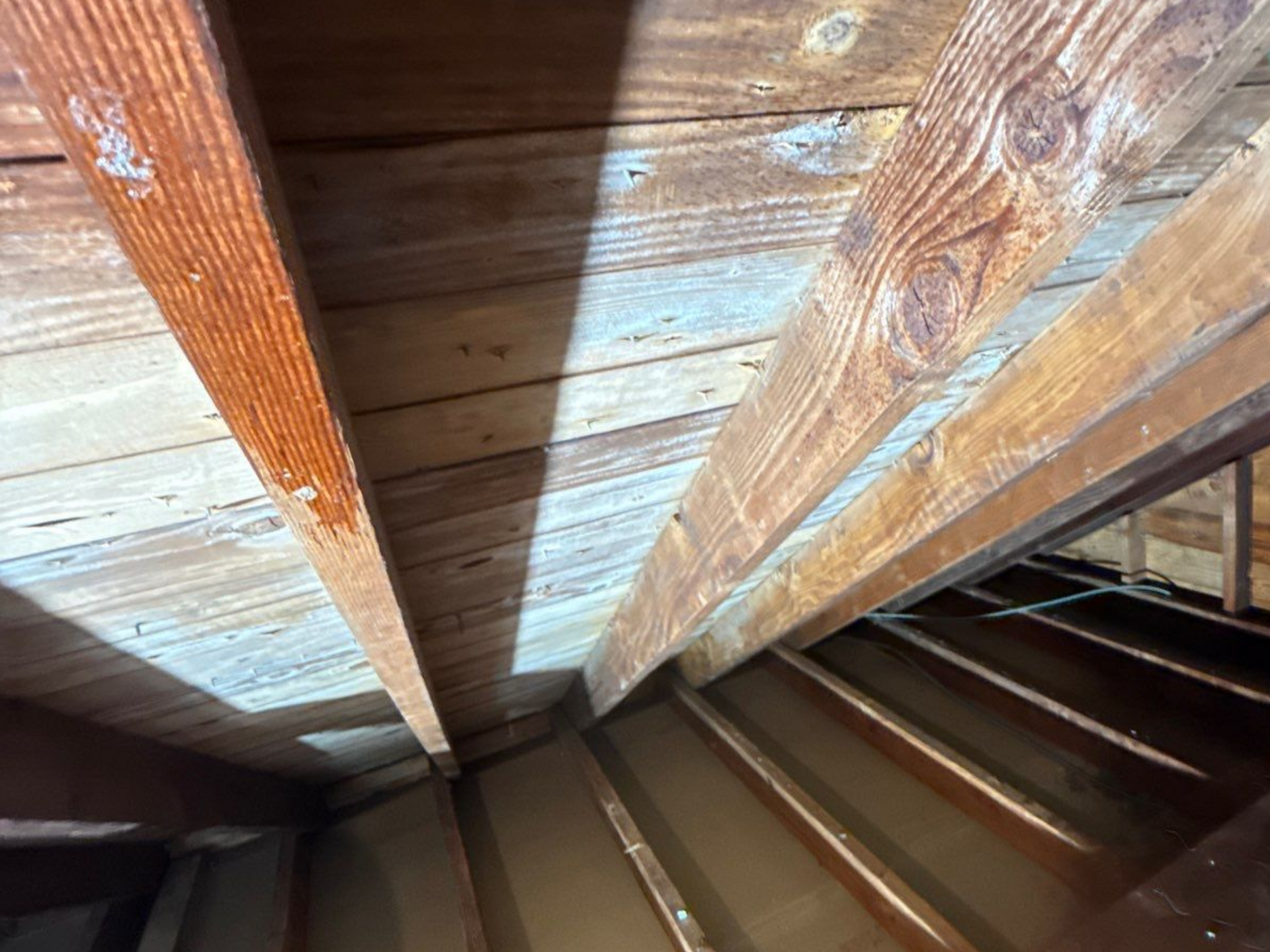
Attic mold in Locust Valley, NY and other homes on Long Island is most often caused by excess moisture. Poor ventilation, roof leaks, bathroom fans venting into the attic, and seasonal humidity all create conditions where mold can grow on wood framing and roof decking. Professional IICRC-certified remediation focuses on safely removing mold, controlling airborne spores, and addressing the moisture source.
Why Attic Mold Is Common in Locust Valley & North Shore Homes
Homes in Locust Valley and along the North Shore of Long Island face unique conditions that make attic mold more likely, including:
- Older construction and aging insulation
- Coastal humidity from the Long Island Sound
- Temperature swings that cause condensation
- Older ventilation systems that don’t move moisture out effectively
When warm, moist air becomes trapped in an attic, it often condenses on cooler surfaces like roof sheathing and beams. Over time, that moisture creates the perfect environment for mold growth—often out of sight.
Common Causes of Attic Mold
Attic mold usually isn’t caused by just one issue. It’s often a combination of factors, such as:
- Poor attic ventilation that traps humid air
- Bathroom or kitchen exhaust fans venting into the attic instead of outside
- Roof leaks or flashing issues allowing moisture intrusion
- Condensation forming on roof decking during colder months
- Old or compressed insulation that no longer regulates temperature properly
These problems allow moisture to linger—and mold takes advantage of it.
How Attic Mold Is Detected
Many homeowners discover attic mold accidentally during a renovation, insulation upgrade, or home inspection. Common warning signs include:
- Dark or discolored staining on attic wood
- A persistent musty or earthy odor
- Past roof leaks or ice dam issues
- Moisture readings that remain elevated
In some cases, professional moisture meters and visual inspections are enough to confirm a problem. Mold testing may be used when needed, but visible growth combined with moisture is often enough to act.



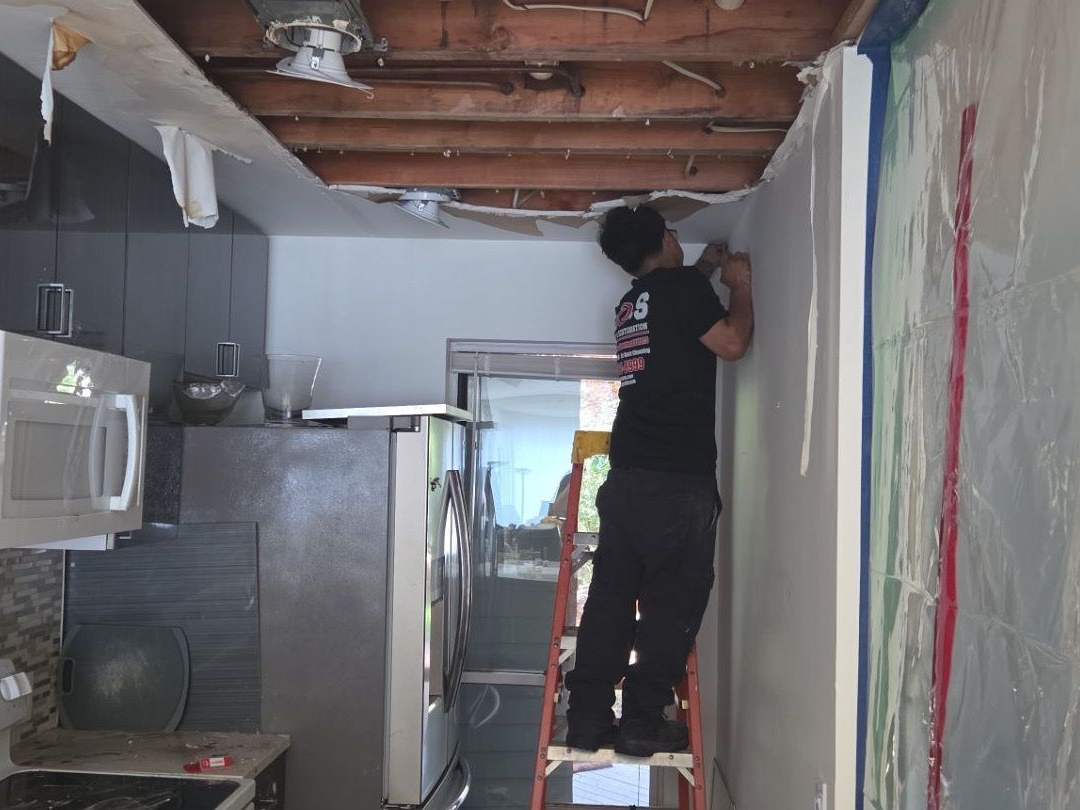
IICRC-Certified Attic Mold Remediation Process
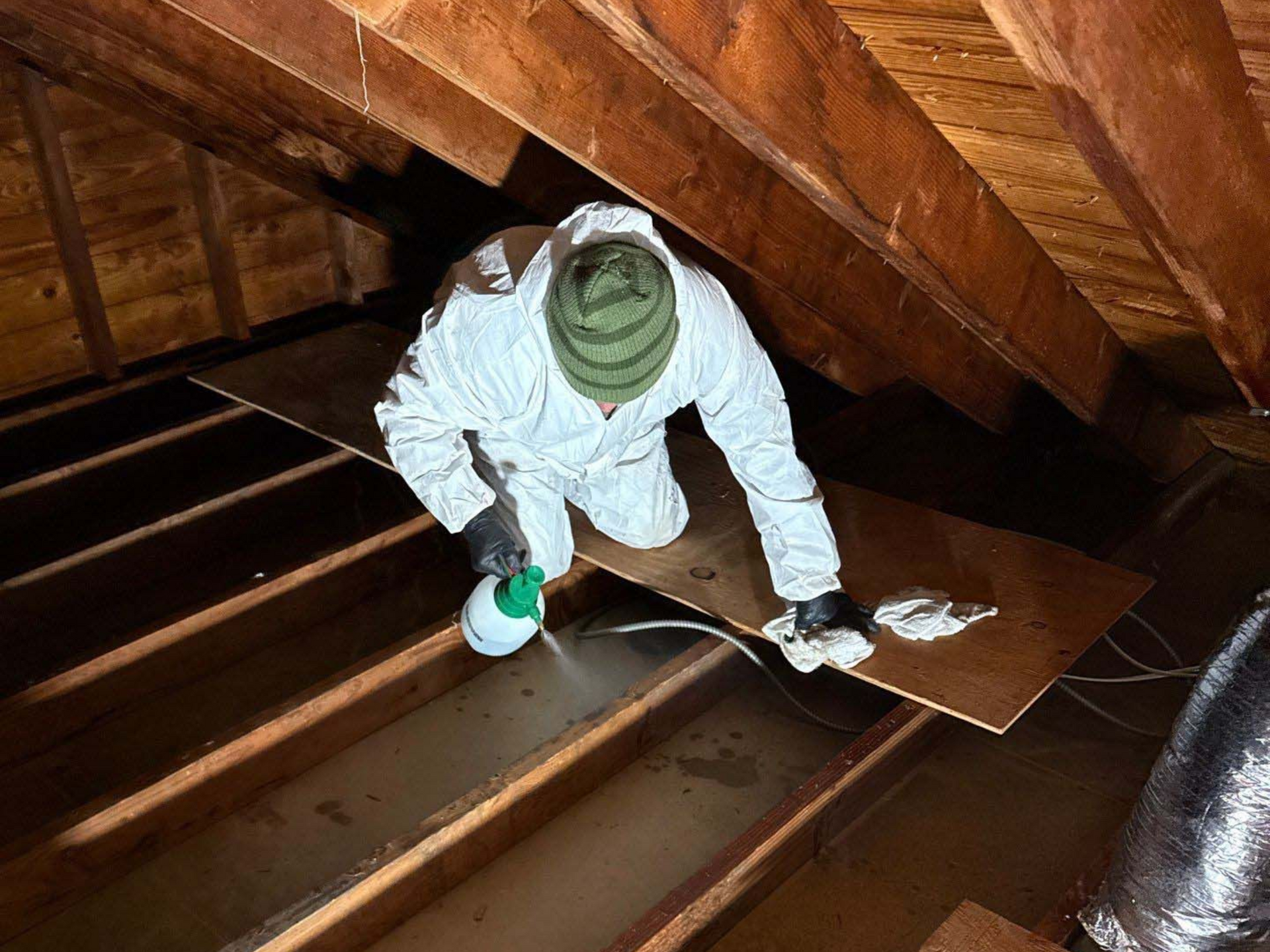
At K.O.S. Restoration, attic mold remediation follows strict IICRC guidelines to ensure the job is done safely and thoroughly.
Here’s what that process typically includes:
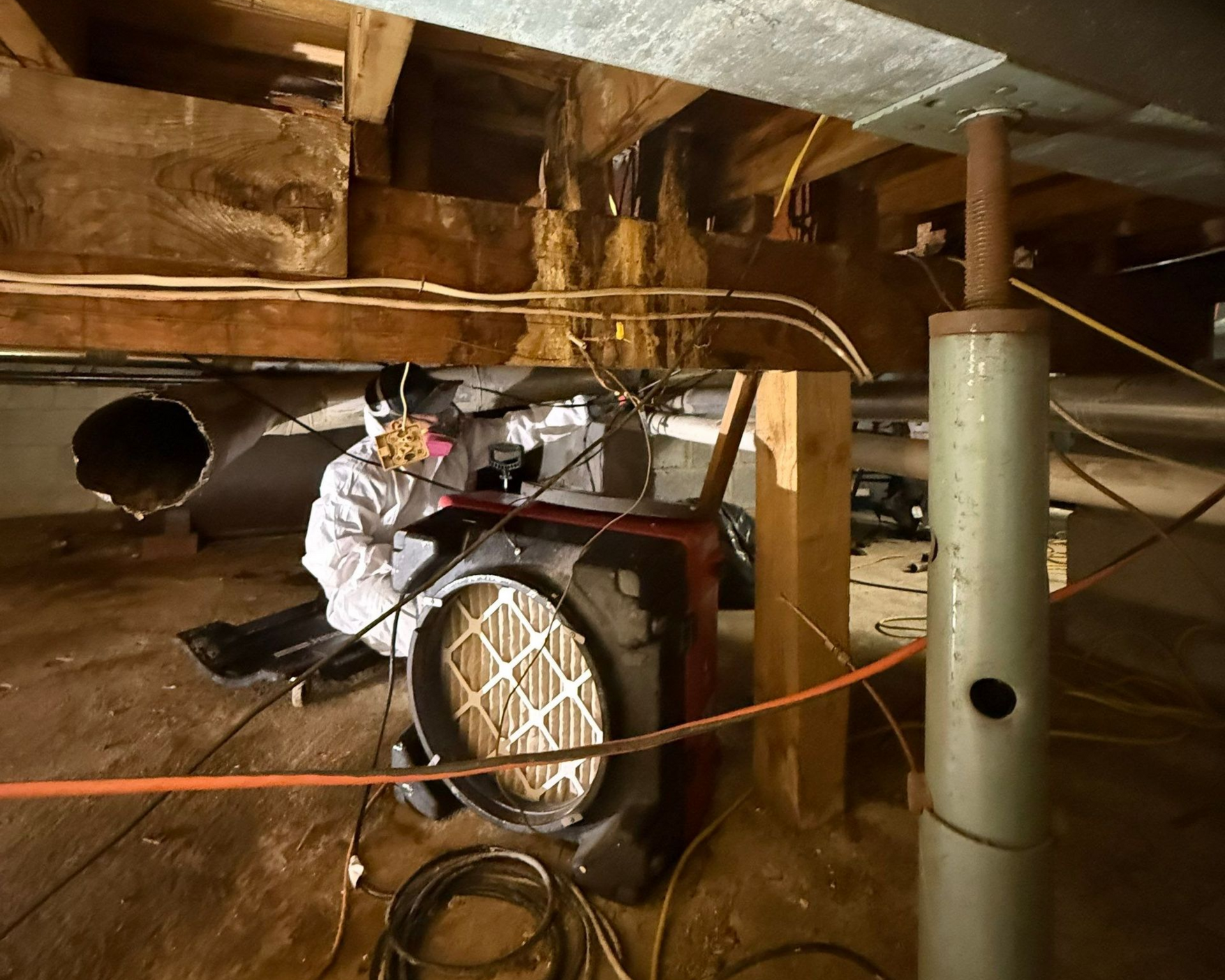
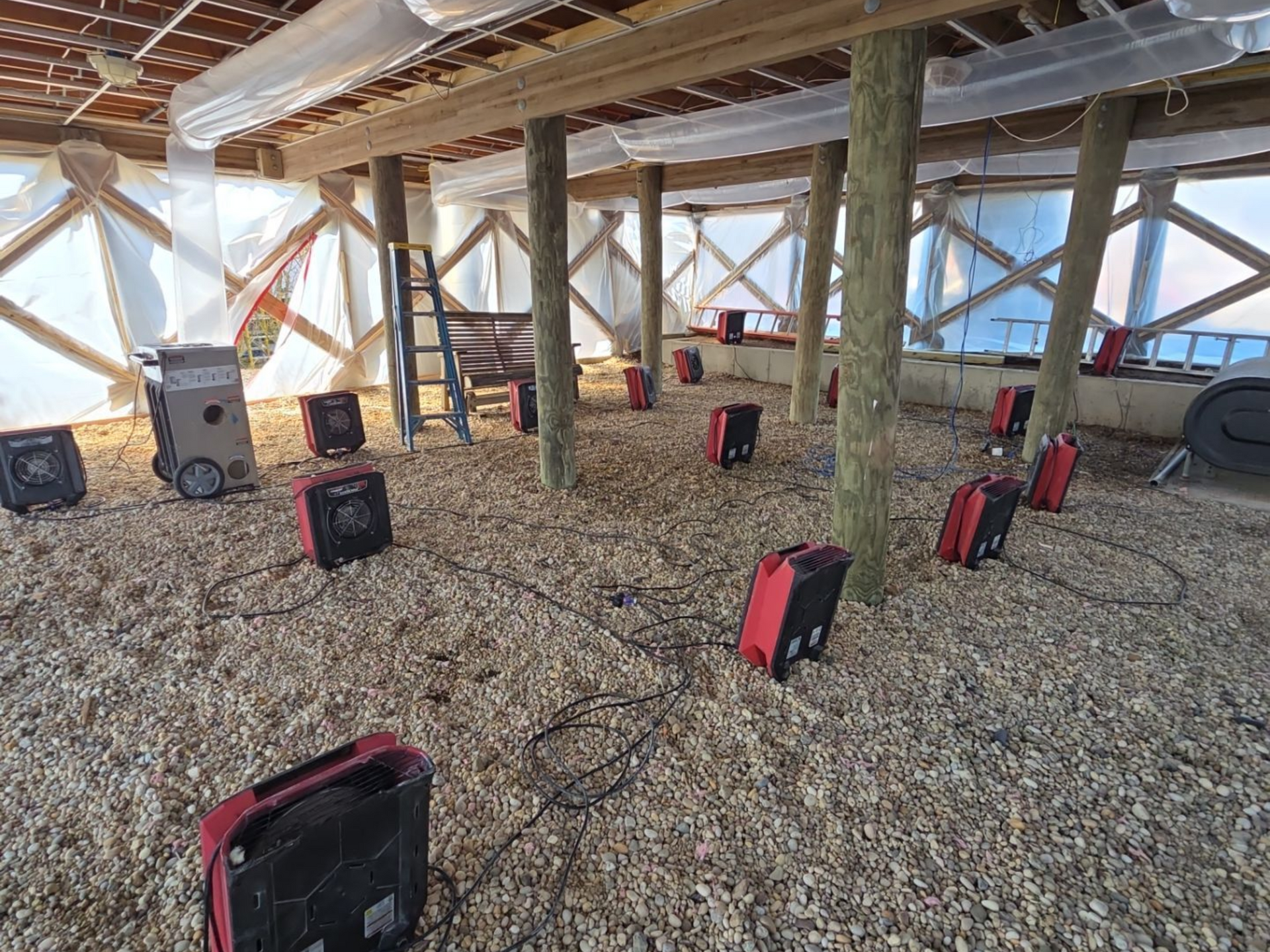
- Containment & Protection
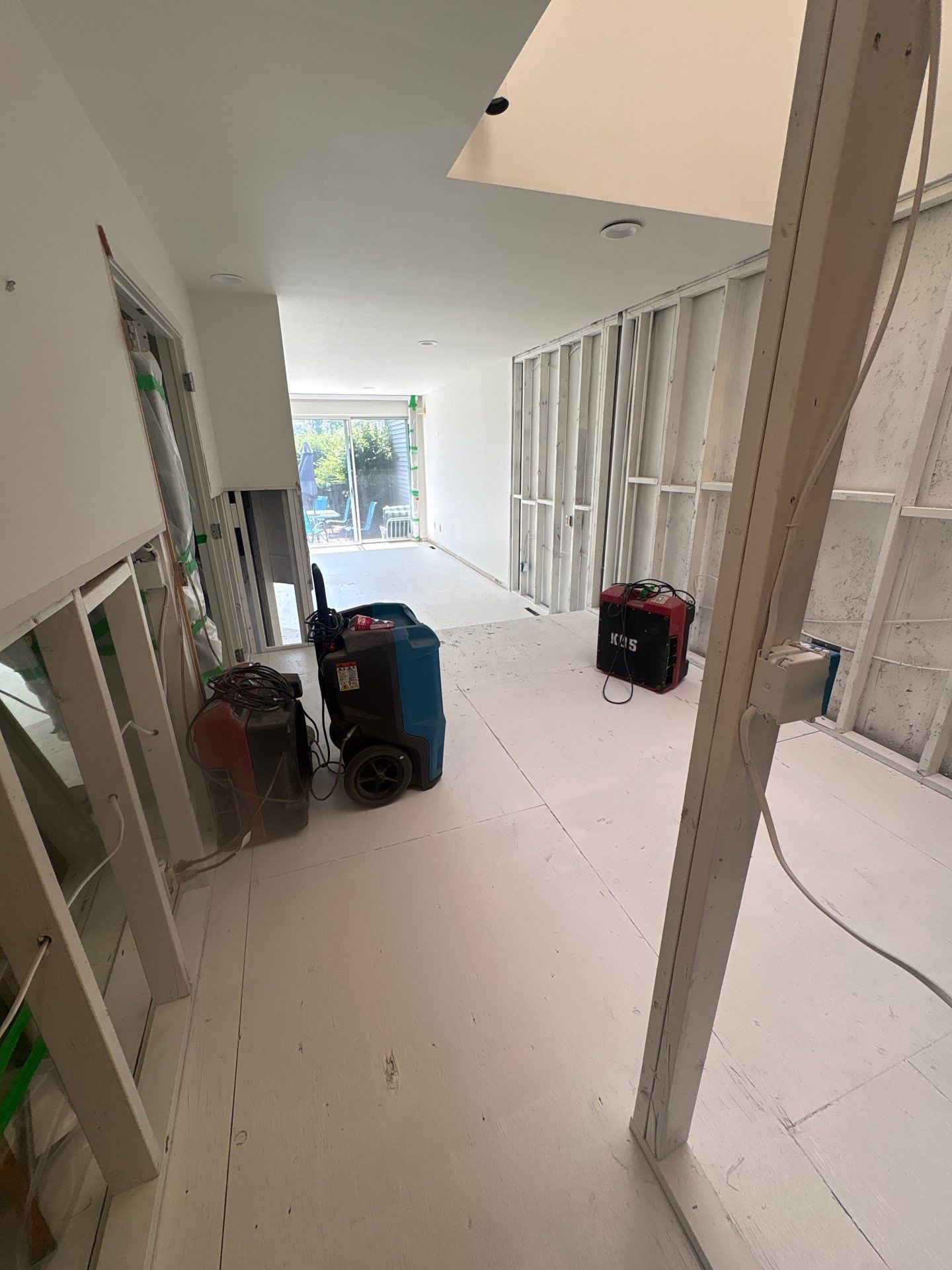
The work area is sealed to prevent mold spores from spreading into living spaces. - HEPA Air Filtration
Negative air machines with HEPA filters help capture airborne mold spores during the cleanup. - HEPA Vacuuming
Affected wood surfaces are carefully vacuumed to remove loose mold particles. - Antimicrobial / Enzyme Treatment
Specialized solutions are applied to neutralize mold at its source. - Removal of Contaminated Materials (if needed)
Severely affected insulation or materials may be safely removed. - Optional
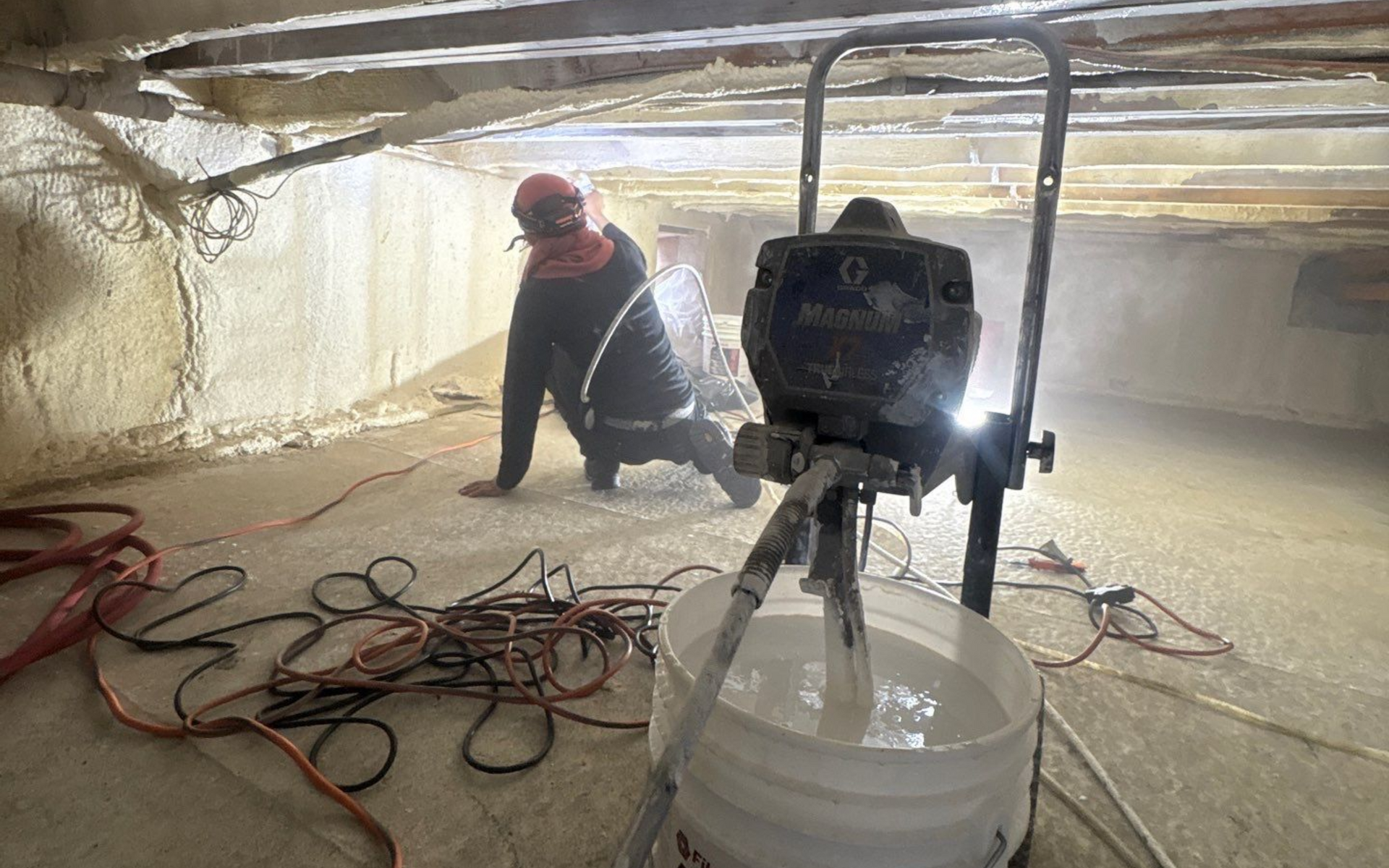
Mold Encapsulation
In some cases, a mold-resistant coating is applied to help prevent future growth.
The goal isn’t just to clean what you see—but to address the conditions that allowed mold to grow in the first place.
How to Prevent Attic Mold from Coming Back
Once mold is removed, prevention is key. Long-term solutions may include:
- Improving attic ventilation
- Properly venting bathroom and kitchen exhaust fans outdoors
- Sealing air leaks between living spaces and the attic
- Upgrading insulation
- Addressing roof or flashing issues
Preventative steps protect your attic—and your indoor air quality.
Professional Mold Remediation on Long Island
If you suspect attic mold, it’s important to work with professionals who understand both the science of mold and the construction styles common on Long Island.
Learn more about our full services here: Mold Remediation Services
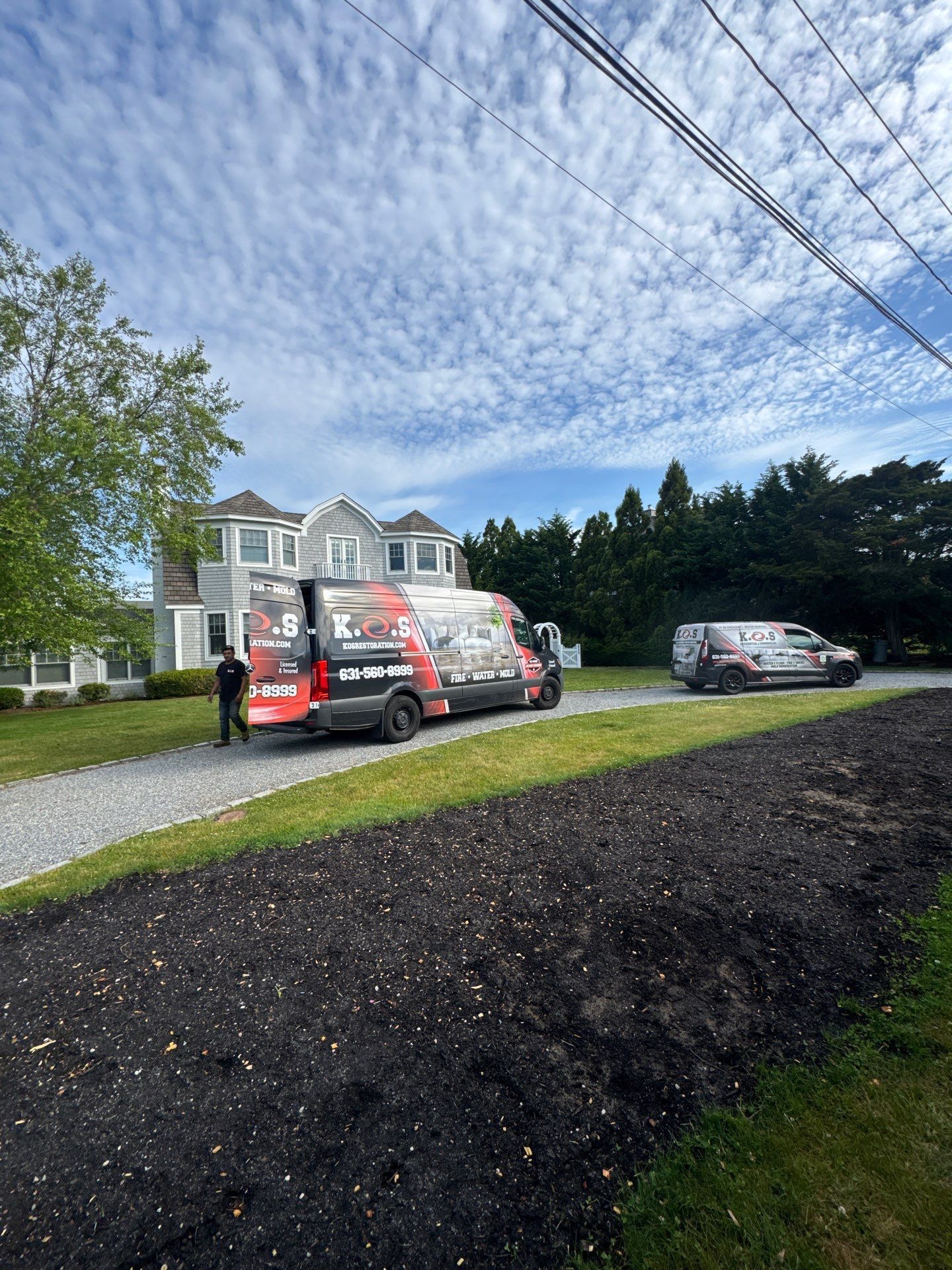
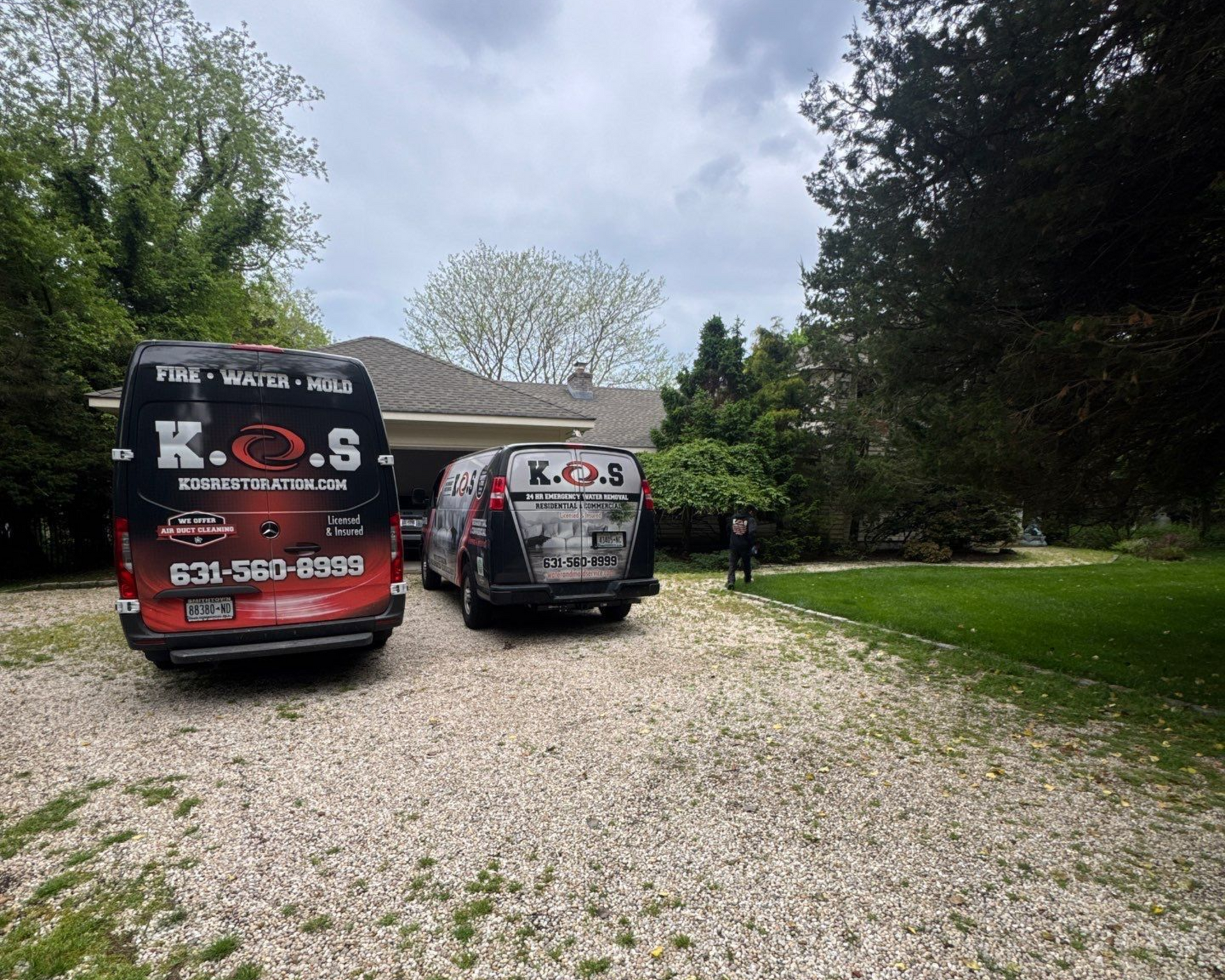
Why Homeowners Trust K.O.S. Restoration
- Locally owned and operated since 2006
- IICRC-certified for mold remediation
- 24/7 emergency response available
- 45-minute rapid response throughout Suffolk County
- 250+ five-star reviews from Long Island homeowners
Attic Mold FAQs
Is attic mold dangerous?
Mold can impact indoor air quality and may aggravate allergies or respiratory conditions, especially if spores migrate into living spaces.
Can attic mold spread to the rest of the house?
Yes. Air movement and pressure changes can allow mold spores to travel from the attic into occupied areas.
Will attic mold go away on its own?
No. Mold will continue to grow as long as moisture is present.
Does homeowners insurance cover attic mold?
Coverage depends on the cause. Mold related to sudden water damage may be covered, while long-term moisture issues often are not.
How long does attic mold remediation take?
Most projects are completed within a few days, depending on the extent of contamination.
Concerned About Attic Mold in Your Home?
If you’re worried about attic mold in your Locust Valley home—or anywhere on Long Island—you don’t have to figure it out alone. A professional assessment can help you understand what’s going on and what steps to take next.
📞 Call (631) 560-8999 to schedule an inspection or request service today.
Share This Post