
That Musty Smell in Your Basement? Here's What's Really Going On
What that smell is telling you: A persistent musty or earthy odor in a basement almost always means active mold growth — not just dampness. As mold develops, it releases microbial volatile organic compounds (MVOCs) that create the distinctive smell. By the time it's noticeable, mold has typically been growing for days or weeks, often hidden behind walls, under flooring, or around floor drains. Masking the odor with a dehumidifier or air freshener won't stop the growth. The mold needs to be professionally removed and the moisture source corrected.
You walk down to your basement to grab something from storage — and it hits you. That smell. Damp, stale, almost earthy. You've noticed it before, but today it seems stronger. You think to yourself: is that mold?
We hear this from Long Island homeowners all the time. And we want you to know something important: if you're asking that question, trust your instincts. That smell is your home trying to get your attention — and the sooner you listen, the better off you'll be.
At K.O.S. Restoration, we've been responding to basement mold problems across Suffolk County, Nassau County, and Queens since 2006. We know what that smell means, where it comes from, and what it takes to get rid of it for good. Here's everything you need to know.
Why Basements on Long Island Are So Prone to Mold Odor
Long Island's geography works against you when it comes to basement moisture. Surrounded by water on three sides — the Atlantic Ocean, Long Island Sound, and the Great South Bay — the island holds humidity that inland areas simply don't deal with the same way. Summer humidity regularly pushes into the 70–80% range. Even in spring and fall, the air stays damp for weeks at a time.
Basements trap that moisture. Cool concrete walls cause warm, humid air to condense. Floor drains hold standing water. Cinder block and poured concrete are porous — they absorb ground moisture and release it slowly into the air. Without consistent airflow and dehumidification, a Long Island basement is essentially a controlled environment for mold growth.
And the smell? That's mold releasing microbial volatile organic compounds (MVOCs) into the air. You're not imagining it, and it doesn't go away on its own.
What Does Basement Mold Actually Smell Like?
Not all basement odors mean the same thing. Here's how to read what you're smelling.
A musty, earthy smell is the most common sign of active mold growth. It often intensifies after it rains, when humidity rises, or when the HVAC system kicks on and circulates air from the basement through the rest of the house. If you notice the smell most strongly after closing up the house for a few days, that's a significant red flag.
A damp, mildewy smell is usually a sign of surface mildew — which is less serious than mold but still a warning that conditions are right for mold to take hold. Mildew on its own can evolve into full mold growth if the moisture source isn't addressed.
A sour or rotten smell suggests something beyond surface mold — often hidden moisture damage behind walls or under flooring, wet insulation, or water that has been sitting long enough to cause organic materials to break down.
An ammonia-like or sewage smell is a different problem entirely and may indicate a drain issue or sewage backup. If that's what you're dealing with, K.O.S. Restoration handles sewage cleanup as well — but the cause needs to be identified before any cleanup begins.
Not sure whether your smell is basement-specific or coming from somewhere else in the home? Our post Is That Smell Mold, Mildew, or Something Worse? can help you figure that out first.
Where Is the Smell Actually Coming From?
This is where a lot of homeowners get stuck. The smell is obvious — but the source isn't. Basement mold is often hidden, and it tends to concentrate in a few specific spots.
Behind drywall and wall cavities — Finished basements are particularly vulnerable. Moisture seeps through the exterior foundation wall, gets absorbed into the drywall, and mold grows in the dark cavity behind it. You won't see it. But you'll smell it.
Under carpet and flooring — Basement carpeting holds moisture like a sponge. Even a minor flood or a season of high humidity can leave enough dampness under the subfloor for mold to grow. If the smell is strongest in a carpeted area, that's usually where to look first.
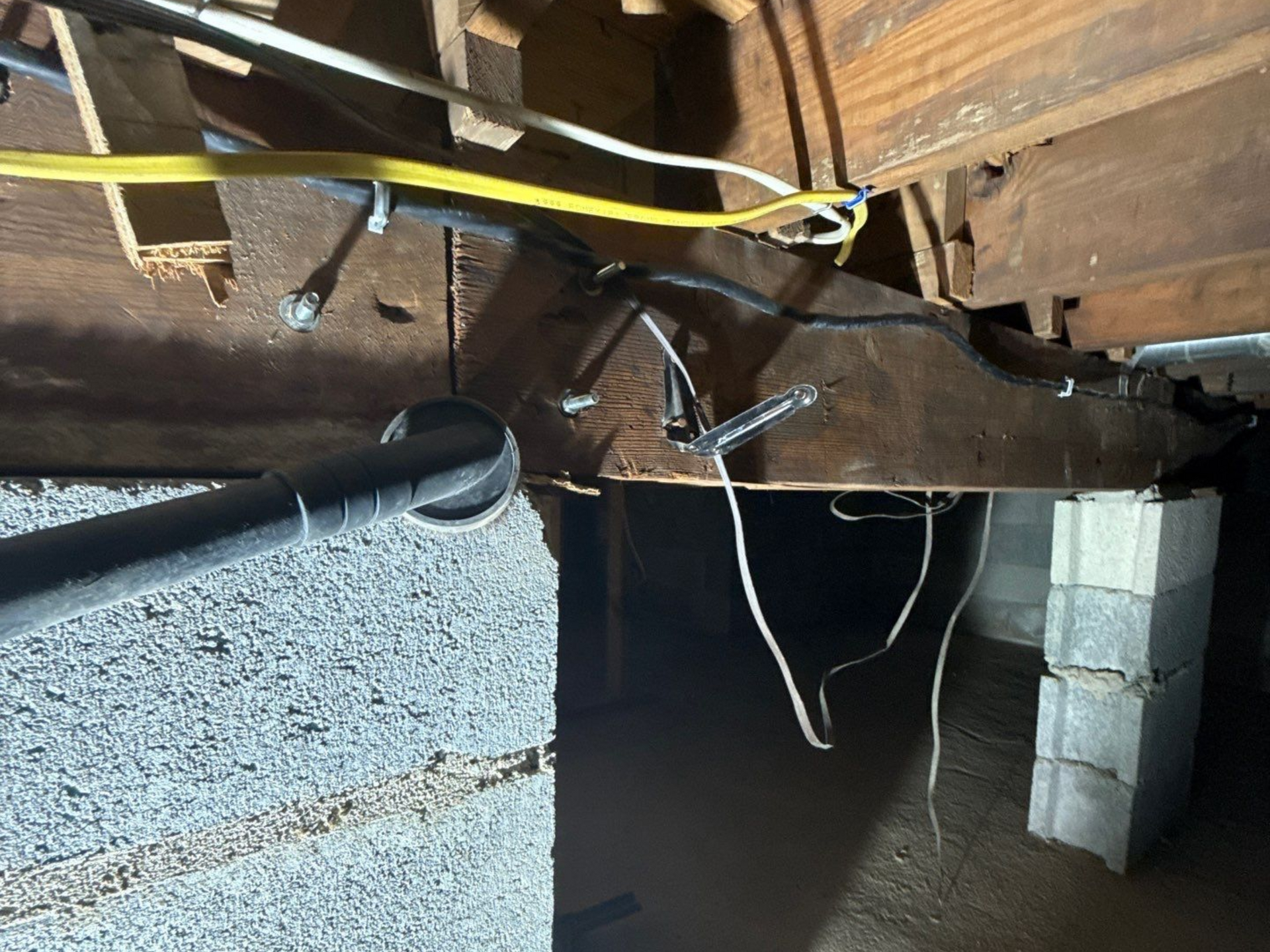
Around floor drains and sump pump pits — Both are direct connections to ground moisture and standing water. Mold and mildew grow readily around the rim of floor drains and inside sump pump basins — areas that are almost never fully dry.
On concrete and cinder block walls — Bare concrete and block walls sweat. The white powdery residue you sometimes see (called efflorescence) is a sign that water is moving through the wall. That moisture feeds mold growth on the surface and behind any finishes applied to the wall.
In HVAC equipment and ductwork — If your furnace, air handler, or ductwork runs through the basement, mold spores can get into the system and circulate throughout the entire home. When the system runs, the smell gets worse and spreads upstairs.
Is Basement Mold Dangerous? What That Smell Means for Your Health
We want to be honest with you here, without alarming you unnecessarily.
Mold in a basement is a health concern — especially for children, elderly family members, and anyone with allergies, asthma, or a compromised immune system. The symptoms of mold exposure can be subtle at first: persistent nasal congestion, increased allergy symptoms, unexplained headaches, or a cough that won't go away. Many people don't connect these symptoms to their home environment until a professional inspection confirms mold.
The specific risk level depends on the type of mold, the size of the growth, and how long it's been present. Black mold — technically Stachybotrys chartarum — gets a lot of attention, but many types of mold can trigger respiratory symptoms and aggravate existing conditions. The color of the mold matters less than the extent of the growth and the presence of active moisture.
What we tell every homeowner is this: if you're smelling mold regularly in your basement, there is already enough growth happening to affect your indoor air quality. The smell itself is evidence of an active problem, not a future one.
Can You Get Rid of the Smell Without Removing the Mold?
Candles, air fresheners, and even dehumidifiers can temporarily reduce the intensity of the odor — but none of them address what's causing it. Mold will continue to grow and release MVOCs into the air as long as the moisture source is present and the mold colony remains.
We see this pattern regularly: a homeowner buys a dehumidifier, notices the smell fades a little, and assumes the problem is solved. But the mold doesn't stop growing just because the air is drier. It slows, sometimes. But it doesn't stop.
The only way to get rid of basement mold smell is to remove the mold, treat the affected materials, and address the moisture source that allowed it to grow in the first place. That's the full equation — and there are no shortcuts.
What to Do When You Smell Mold in Your Basement
If you're noticing a persistent musty smell in your basement, here's the honest, practical path forward.
Don't wait. Mold grows fast — within 24 to 48 hours of the right moisture conditions. The longer it's present, the more material it contaminates, and the more extensive (and expensive) the remediation becomes.
Don't disturb it. Scrubbing visible mold with household cleaners, especially without proper containment, releases spores into the air and can spread contamination to other areas of the home.
Do get a professional assessment. A qualified mold inspection will tell you what type of mold you're dealing with, where it's concentrated, what the moisture source is, and what remediation looks like. At K.O.S. Restoration, we offer free property inspections and can typically assess a basement the same day you call.
Do address the moisture source. Remediation without fixing the root cause is a temporary fix. Whether it's a drainage issue, foundation seepage, a plumbing leak, or an HVAC problem — it has to be resolved for the mold to stay gone.
How K.O.S. Restoration Handles Basement Mold Smell
Our IICRC-certified team follows a structured remediation process designed to fully resolve the problem — not just the part you can see.
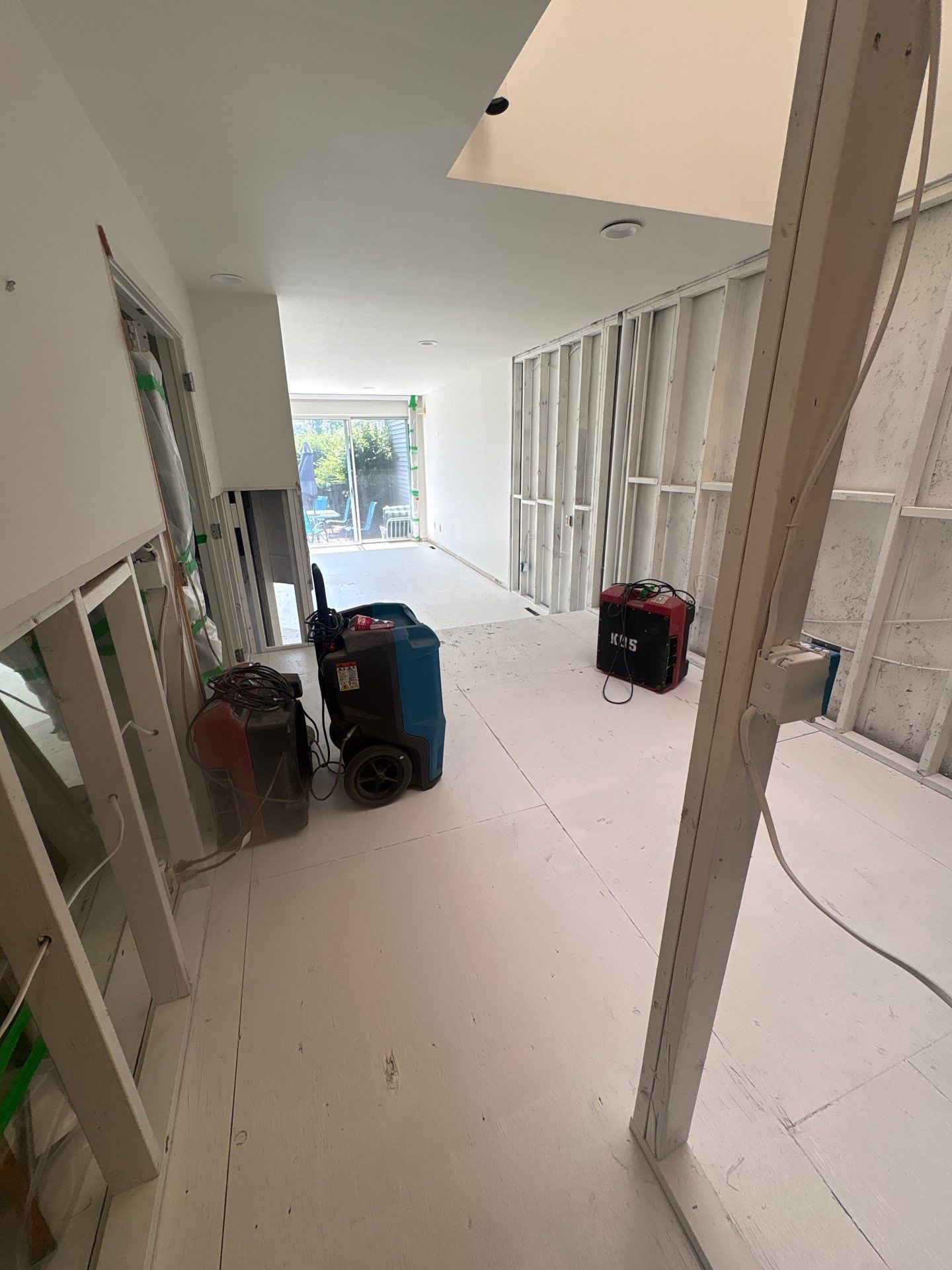
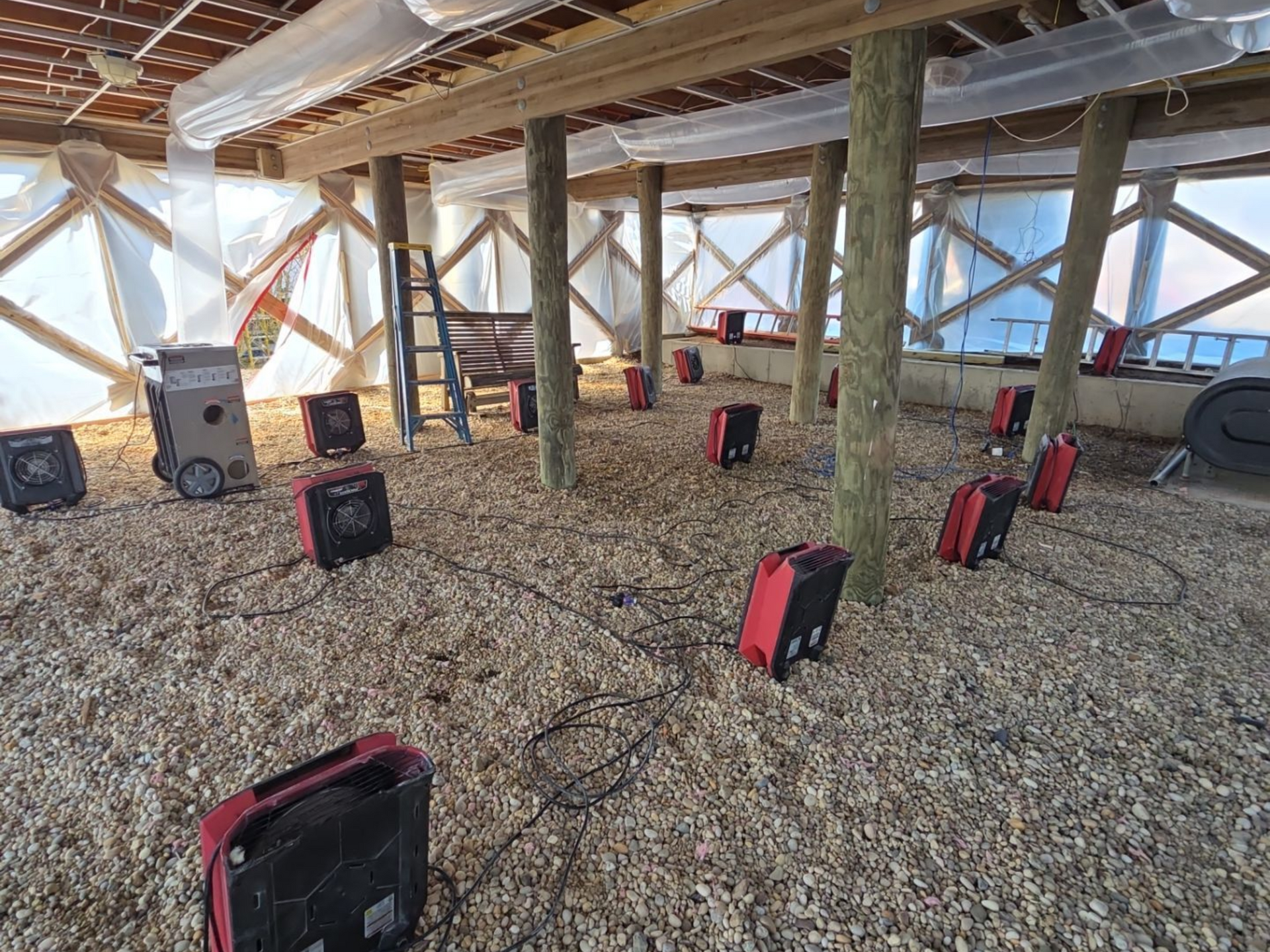
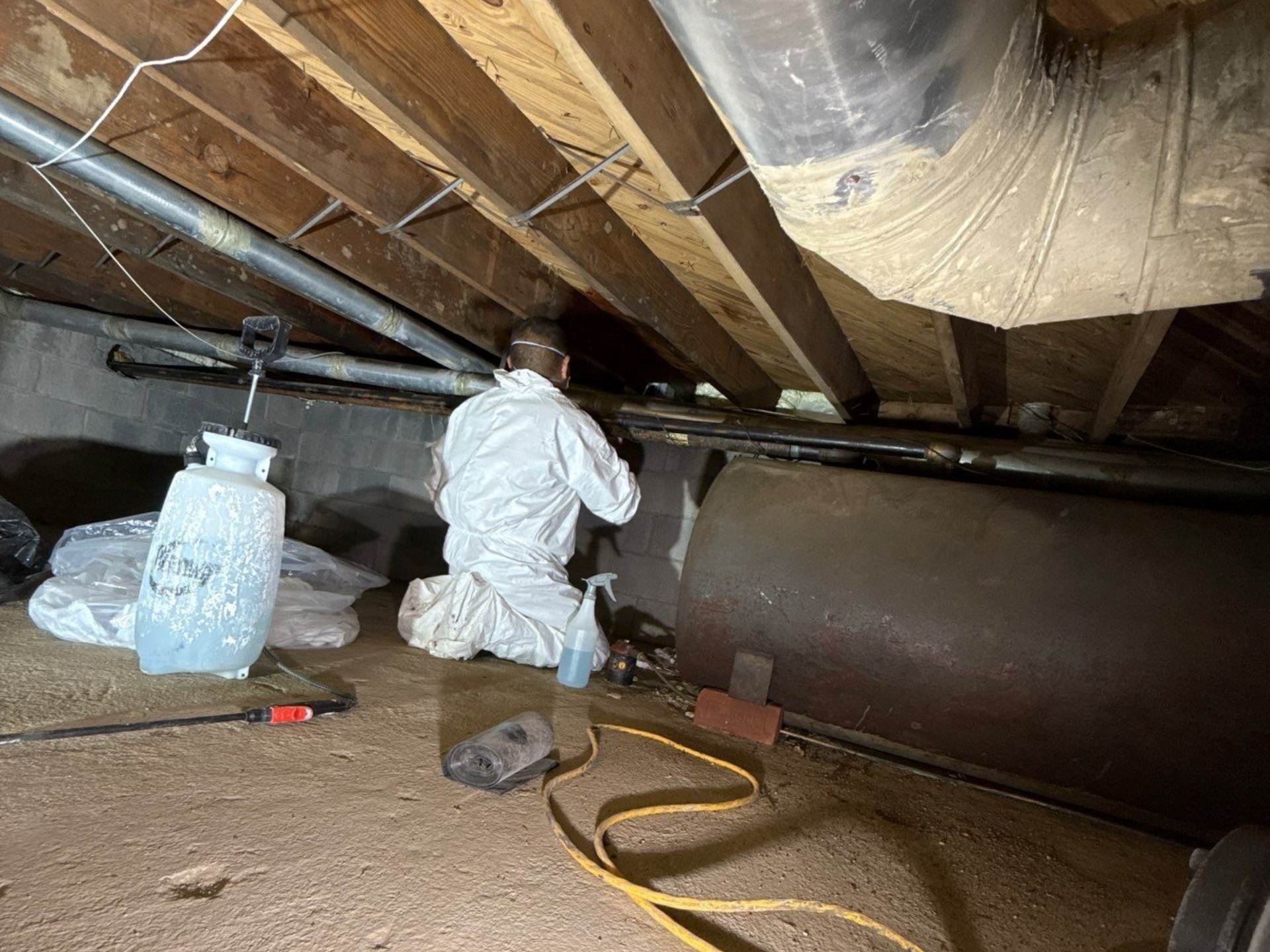
We begin with a thorough inspection and moisture assessment to map exactly where the mold is concentrated and what's feeding it. We then set up containment to prevent spores from spreading into the living areas of your home during the remediation process. HEPA air filtration runs throughout the job to capture airborne particles.
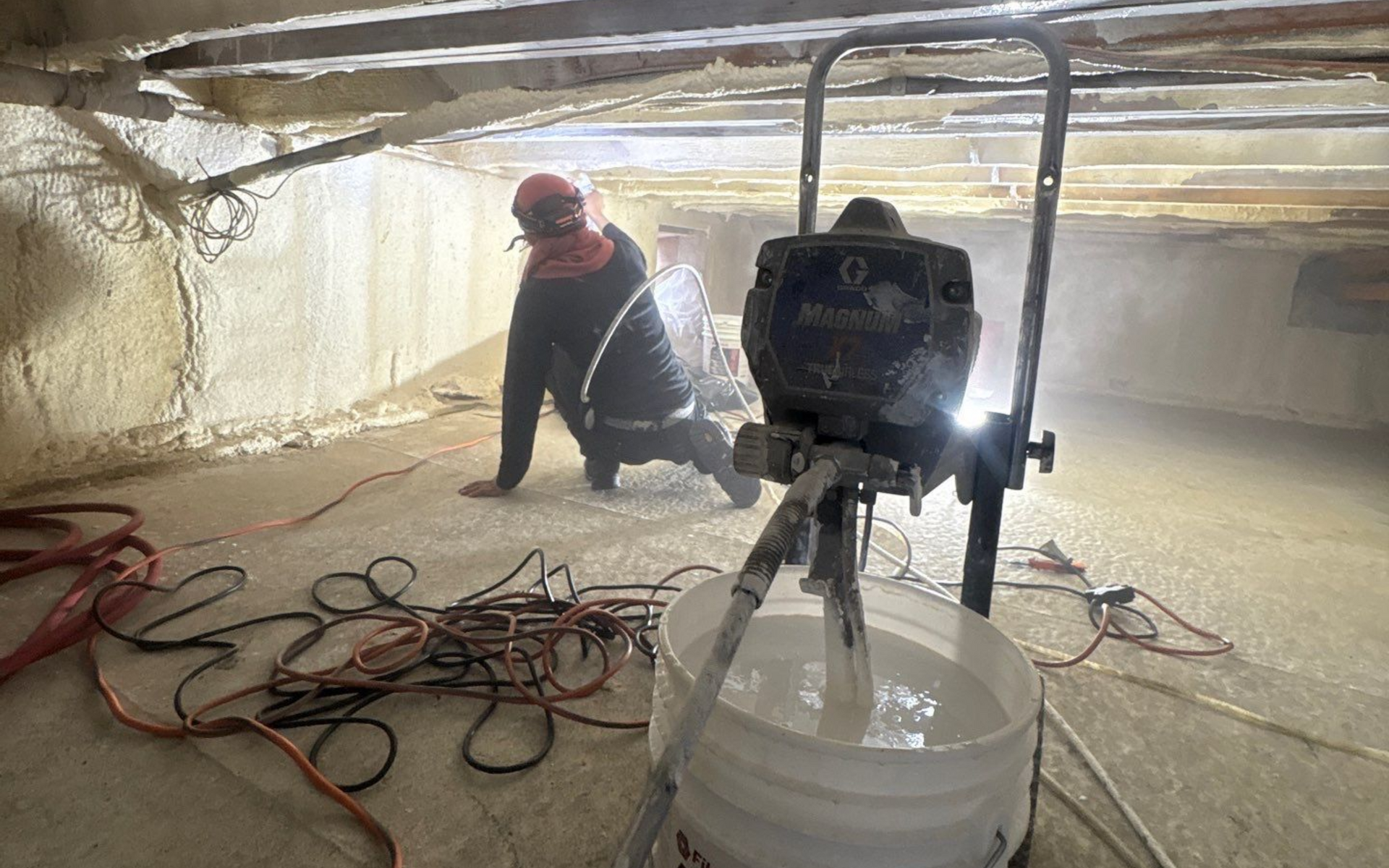
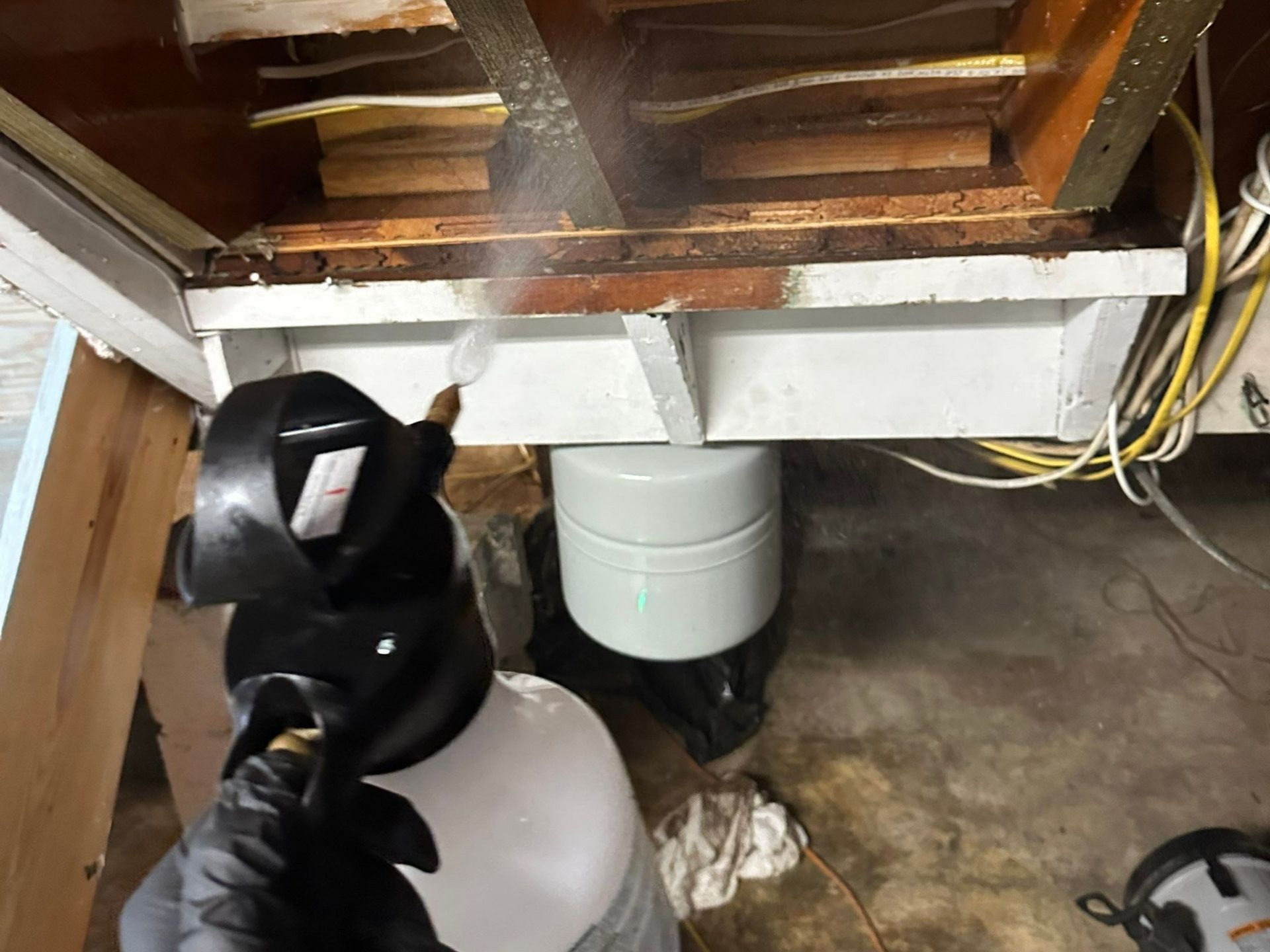
Affected materials — drywall, insulation, flooring, framing — are removed if necessary. All surfaces are treated with professional antimicrobial solutions. And in many cases, we recommend mold encapsulation as a final step to protect surfaces from future growth, particularly on concrete and masonry that can't be replaced.
We also work directly with your insurance company to document the damage and manage the claims process — something most homeowners find unexpectedly stressful without a trusted partner in their corner.
Why Long Island Homeowners Trust K.O.S. Restoration
- Locally owned and operated in Bellport, NY since 2006
- IICRC-certified for mold remediation and water damage restoration
- 250+ five-star Google reviews from Suffolk County, Nassau County, and Queens homeowners
- 45-minute emergency response throughout Suffolk County
- 24/7 availability — because mold problems don't wait for business hours
Frequently Asked Questions
Why does my basement smell musty even though I don't see any mold?
Mold is often hidden — growing behind drywall, under flooring, inside wall cavities, or around floor drains where it isn't visible. If you smell it consistently, the growth is there. A professional inspection with moisture detection equipment will find it.
How do I know if the smell is mold or just dampness?
Dampness alone has a flat, watery smell. Mold has a more complex, earthy, or musty odor — sometimes described as similar to old books, wet wood, or soil. If the smell is persistent and strongest in one area of the basement, active mold growth is the likely cause.
Is basement mold smell dangerous to breathe?
Prolonged exposure to mold spores and the MVOCs that create the smell can aggravate respiratory conditions, trigger allergy symptoms, and cause headaches, fatigue, and eye irritation — particularly in children, the elderly, and anyone with asthma or a compromised immune system.
Can a dehumidifier fix basement mold smell?
A dehumidifier can reduce moisture levels and slow mold growth, but it won't eliminate existing mold or remove the smell permanently. The mold needs to be physically removed and the moisture source addressed.
How quickly can mold cause a smell in a basement?
Mold can begin growing within 24 to 48 hours of exposure to sufficient moisture. Detectable odor often develops within days to weeks of the initial growth depending on the size of the colony and the ventilation in the space.
Does basement mold smell get worse in summer?
Yes — Long Island's summer humidity creates ideal conditions for mold growth and intensifies odor. The smell is often most noticeable after the house has been closed up, when the AC kicks on after a humid night, or following rain.
How much does basement mold remediation cost on Long Island?
Cost varies based on the extent of the mold, the materials affected, and whether moisture source repairs are needed. K.O.S. Restoration offers free property inspections with no obligation — the best first step is always an honest assessment before any cost conversation.
Will my homeowner's insurance cover basement mold remediation?
It depends on the cause. Mold resulting from a sudden, covered event — like a burst pipe or appliance leak — is often at least partially covered. Long-term moisture issues generally are not. Our team works directly with insurance providers and can help you navigate the claims process.
That Smell Isn't Going Away on Its Own — Let's Fix It
We know how unsettling it is to suspect something is wrong with your home and not know where to start. You don't have to figure this out alone. K.O.S. Restoration has been helping Long Island families get to the bottom of basement mold problems for nearly 20 years — and we'll give you honest answers from the moment you call.
Call us any time at (631) 560-8999 for 24/7 emergency service, or request your free basement inspection online.
We serve homeowners across Suffolk County, Nassau County, and Queens, NY — and we're always 45 minutes or less from your door throughout Suffolk County.
Related reading:
Is That Smell Mold, Mildew, or Something Worse?
Basement Mold Remediation After a Water Heater Leak in Westhampton, NY
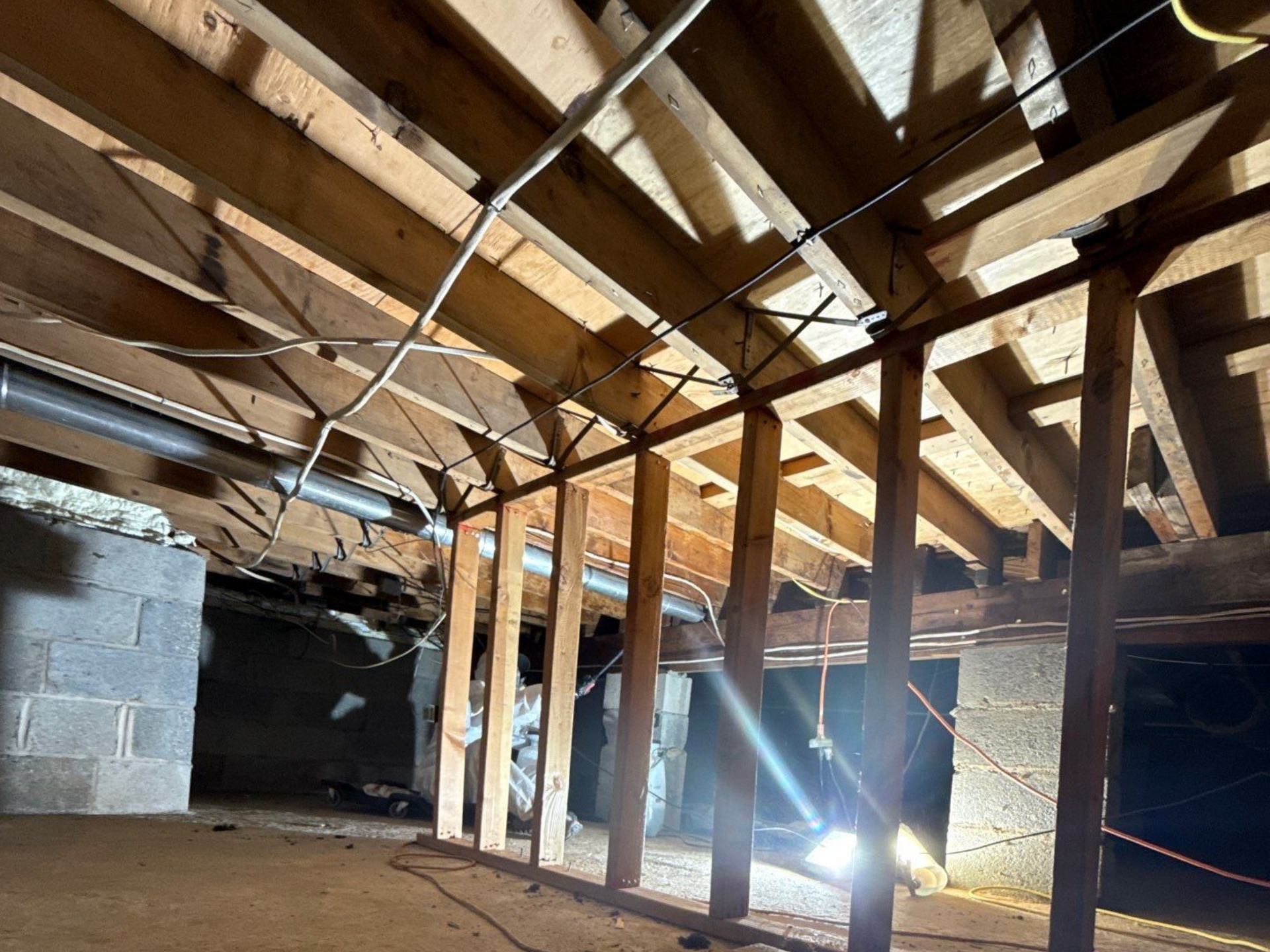
Mold Encapsulation for Basements and Crawl Spaces on Long Island
Share This Post