Mold Encapsulation in Greenlawn, NY
Mold encapsulation seals wood framing, beams, joists, and subfloors after mold remediation to prevent future mold growth—especially in moisture-prone Long Island homes like those in Greenlawn, Elwood, Northport, and Huntington. It adds long-term protection and is recommended by IICRC-certified professionals when a property has been impacted on multiple levels of the home.
When You’ve Already Been Through a Major Mold Remediation… You Never Want to Face It Again
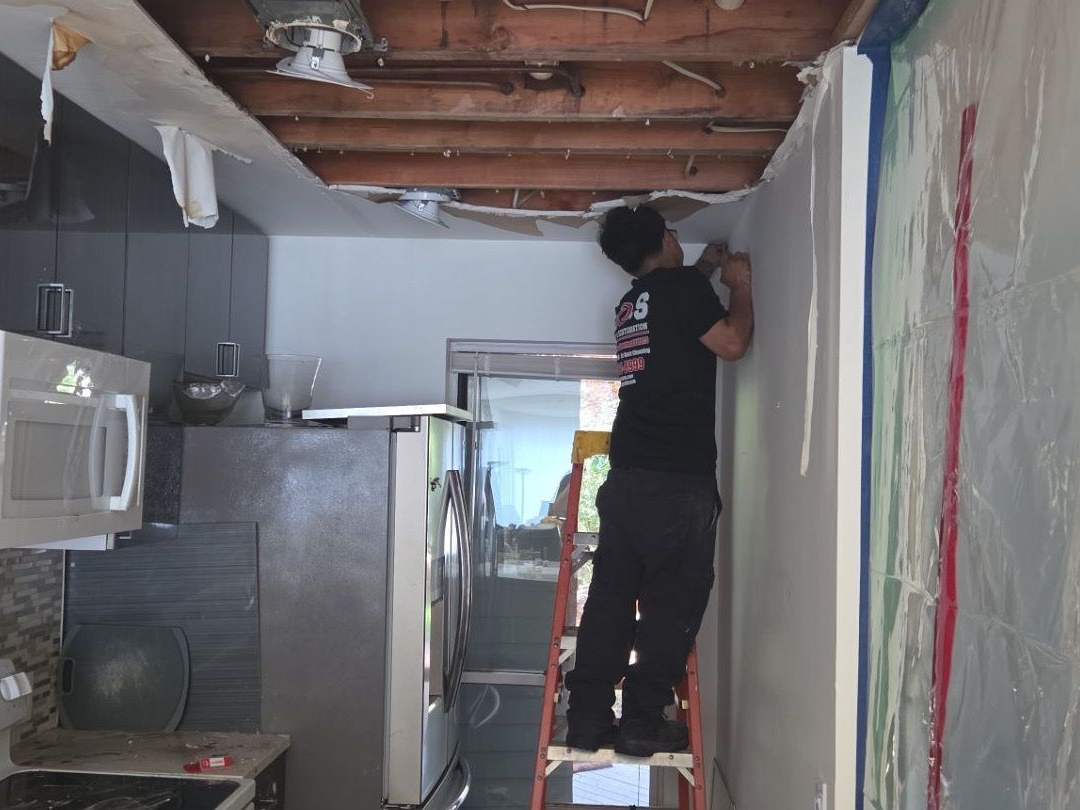
When our team first stepped into this Greenlawn home, the homeowner was still shaken. What originally looked like a small basement and crawlspace issue quickly escalated into something far more serious. Mold was found on multiple levels—bedrooms, attic framing, subflooring, even structural beams.
If you’re a homeowner, you know exactly how terrifying that feels.
You start thinking about your family’s health, the safety of the structure, and whether the home you love is still livable.
We completely understand that worry.
And once mold spreads through several floors, the fear of it coming back becomes real and overwhelming.
That’s why, after completing the first remediation phase, our IICRC-certified team returned for a full deep cleaning and advanced mold encapsulation—the step designed to protect this family long-term.
Phase Two: Deep Cleaning & Moisture Protection Throughout the Home
This follow-up visit wasn’t just another cleaning day—it was the critical moment to ensure this family never had to face this nightmare again.
After remediation, our technicians continued:
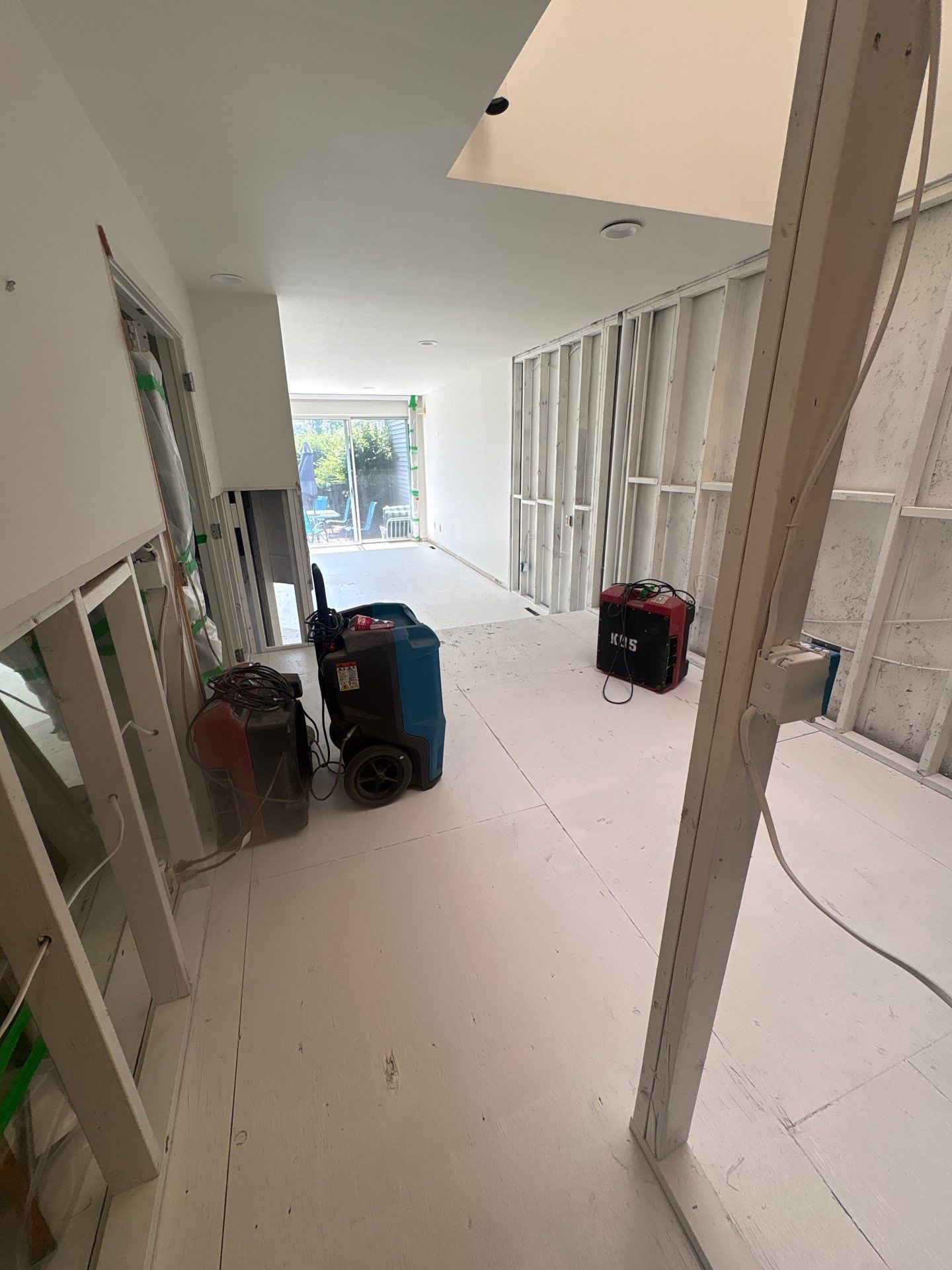
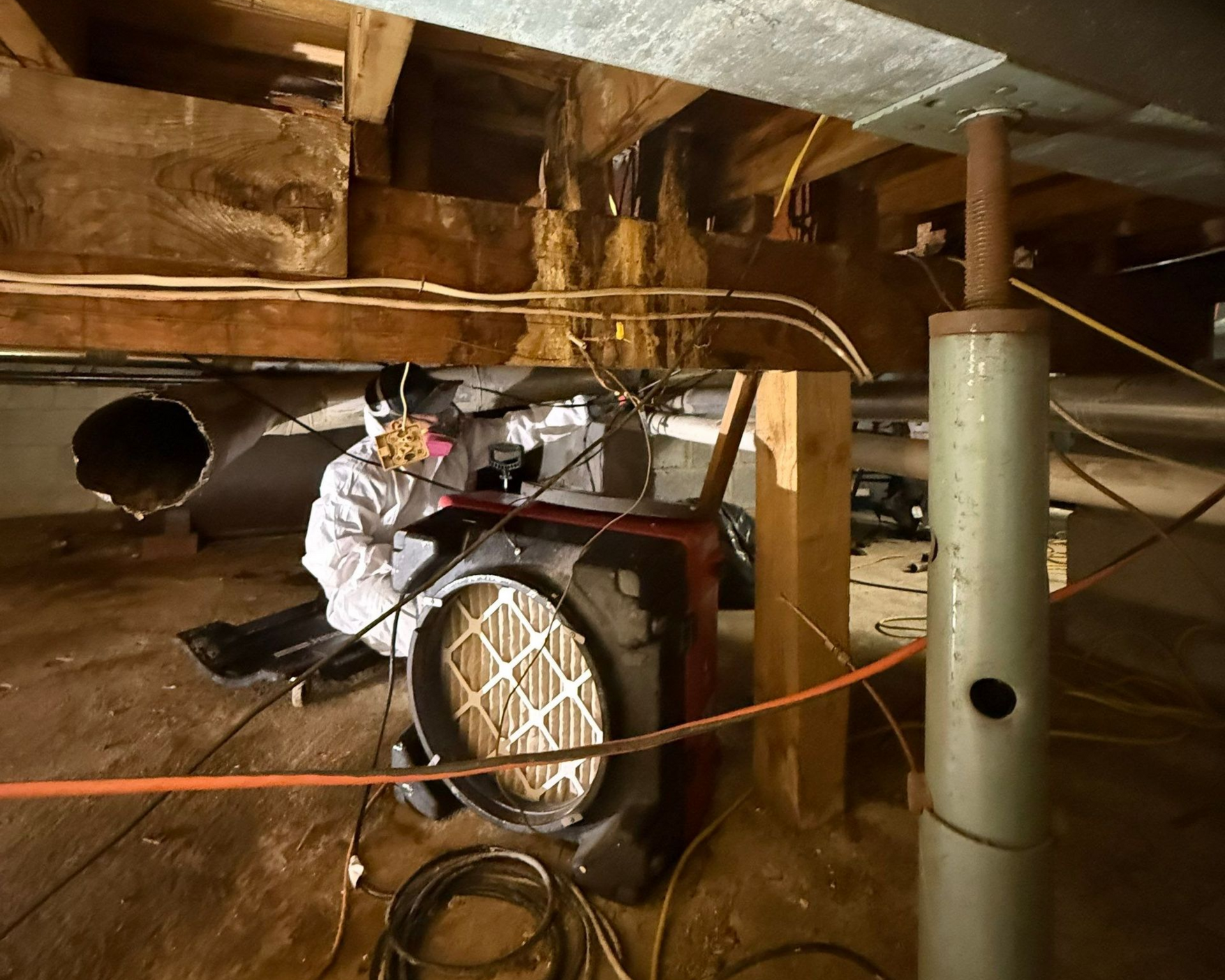
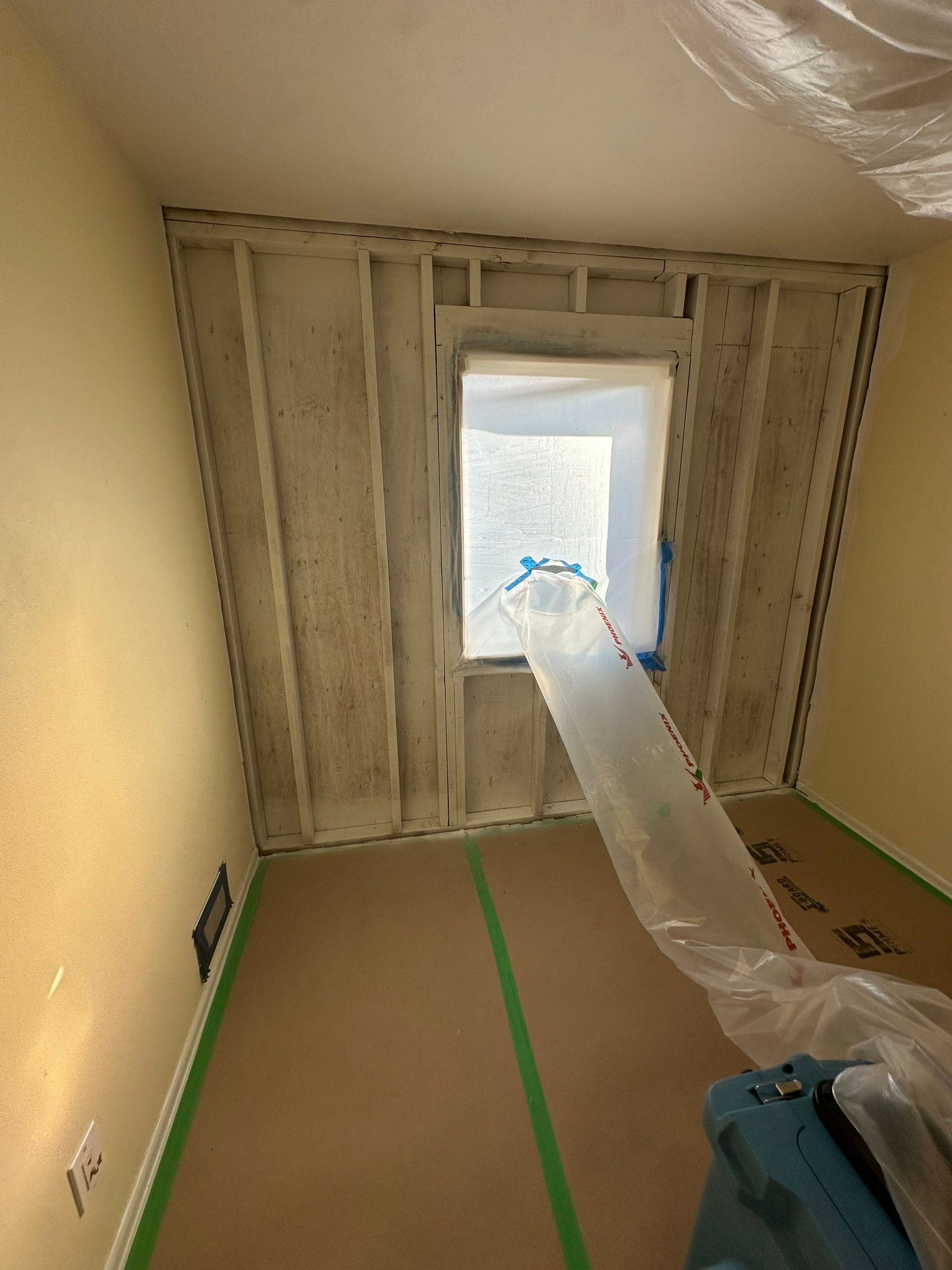
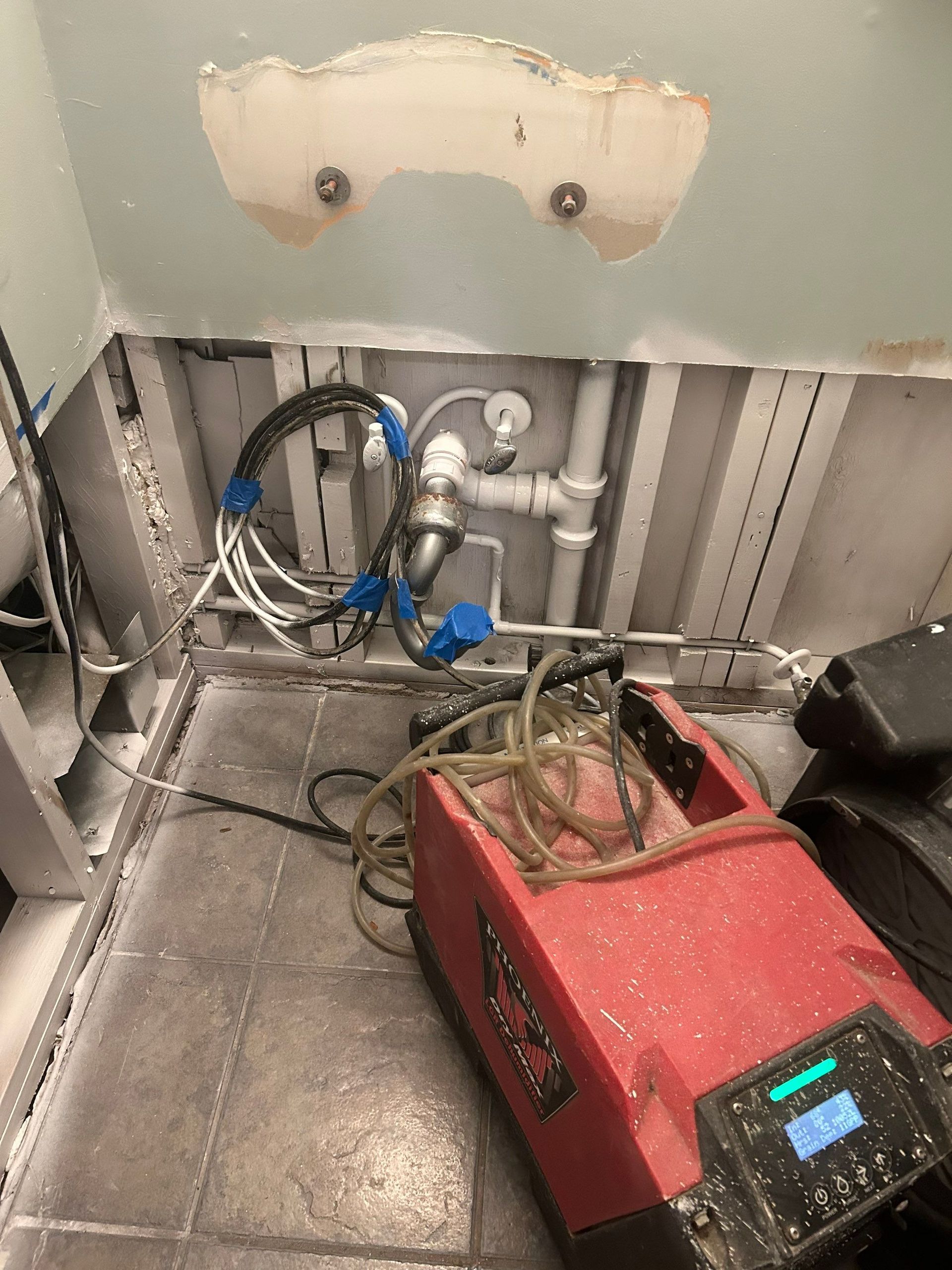
- HEPA vacuuming all structural surfaces to remove any lingering particles
- Wiping down joists, beams, wall studs, and subflooring with antimicrobial solutions
- Sanitizing bedrooms, living areas, attic framing, basement, and crawlspace
- Removing final debris and dust that can fuel moisture problems
This meticulous prep work allows encapsulation to bond properly—and that’s what ensures long-term protection.
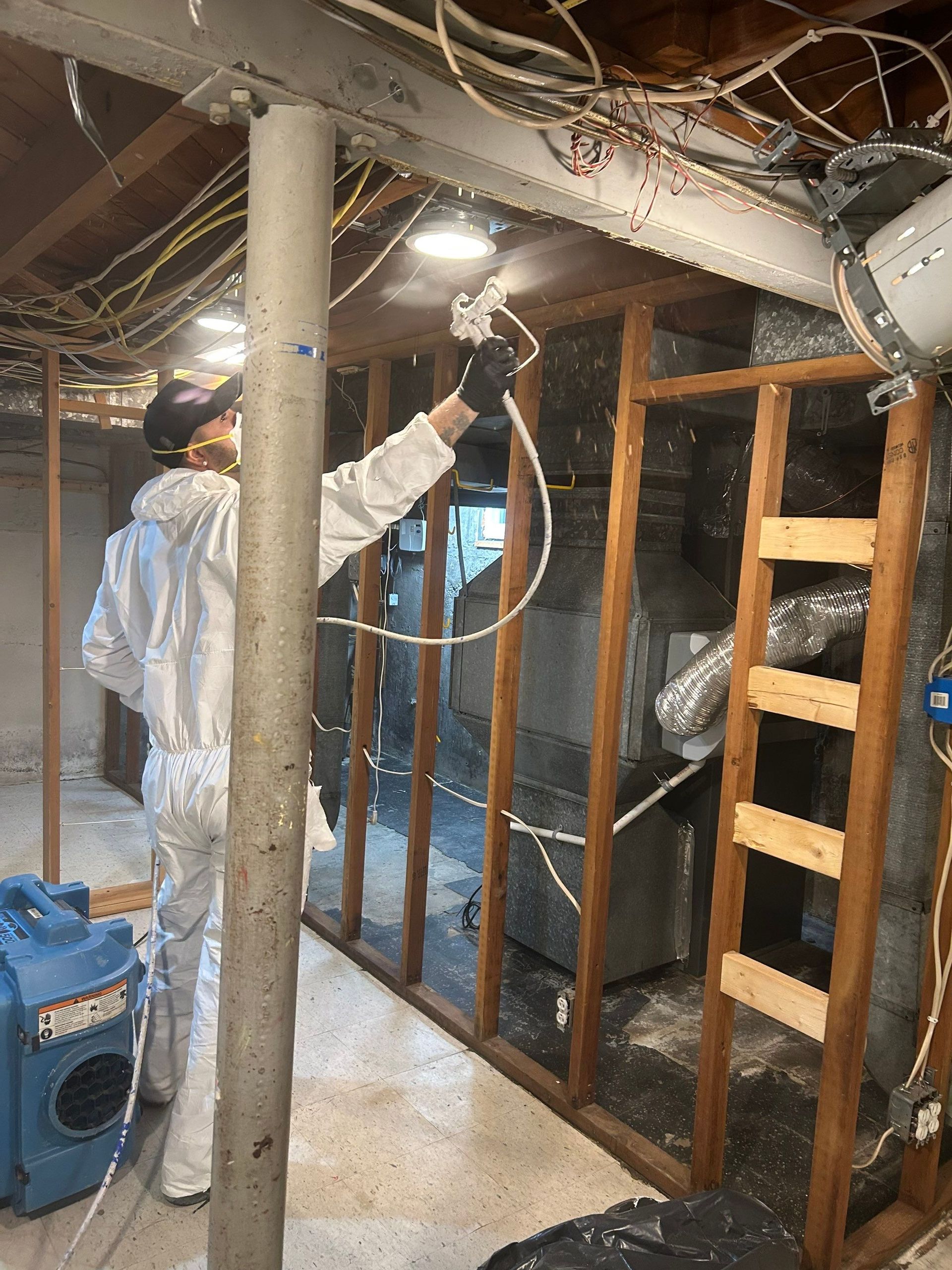
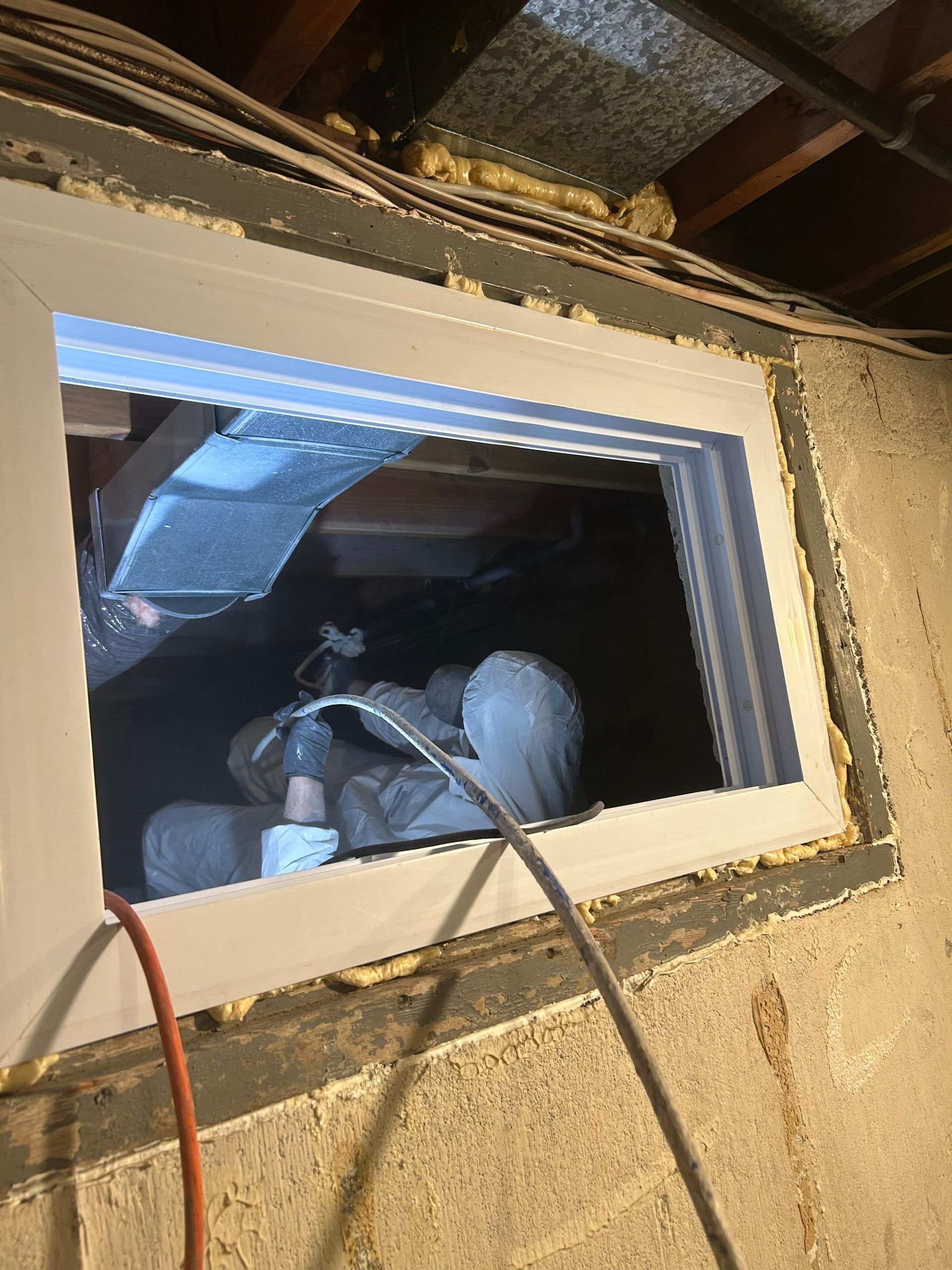
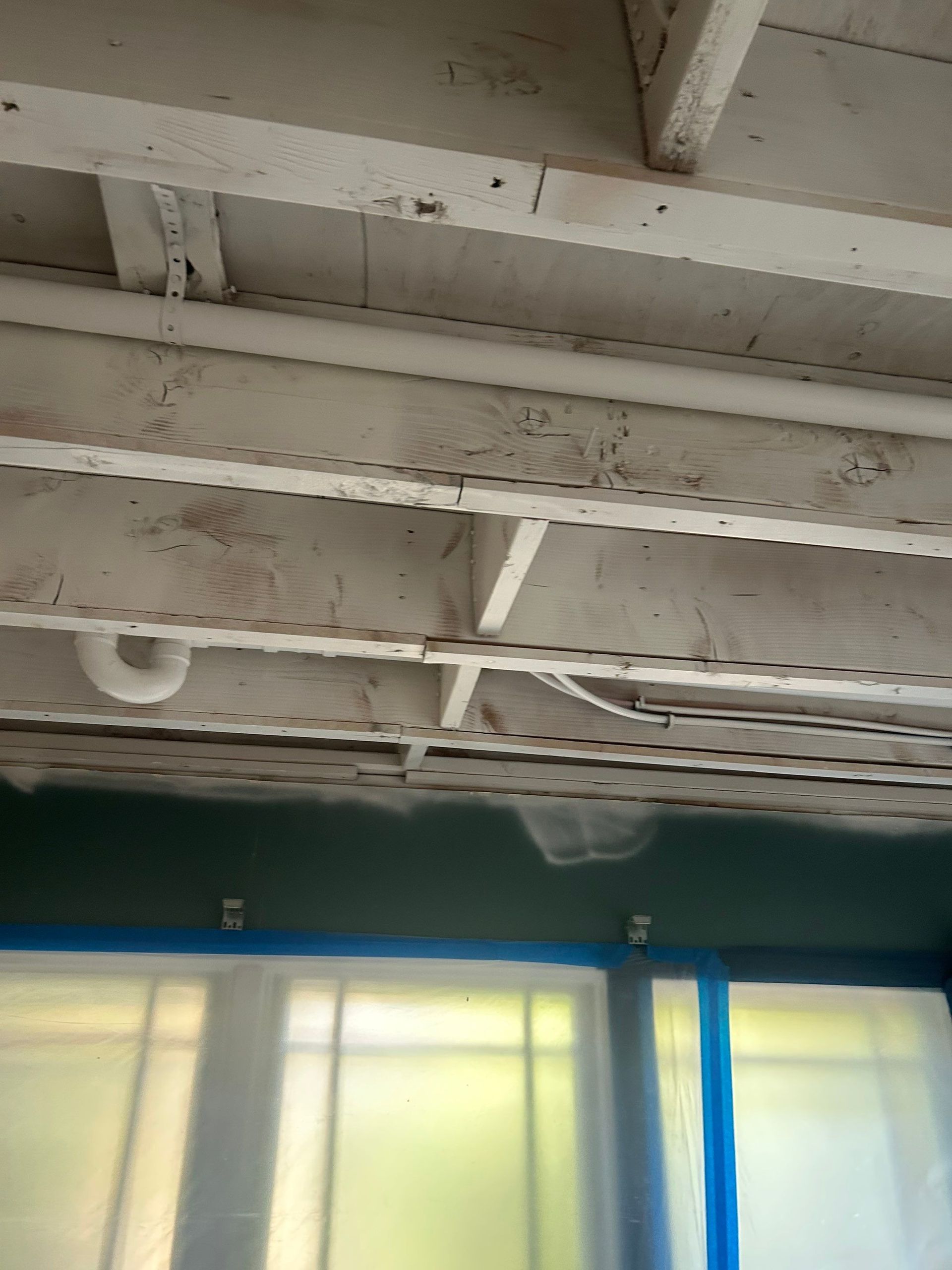
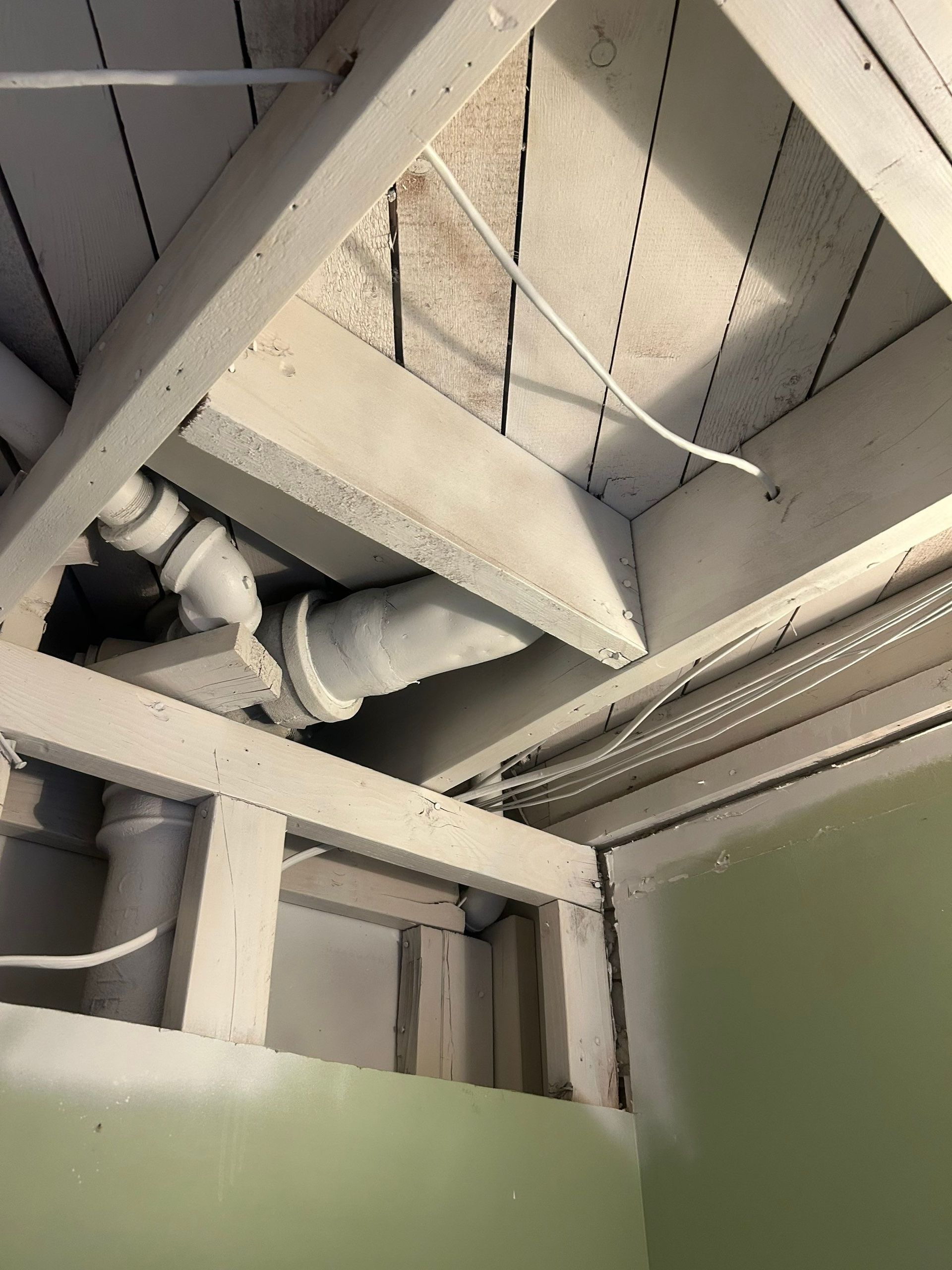
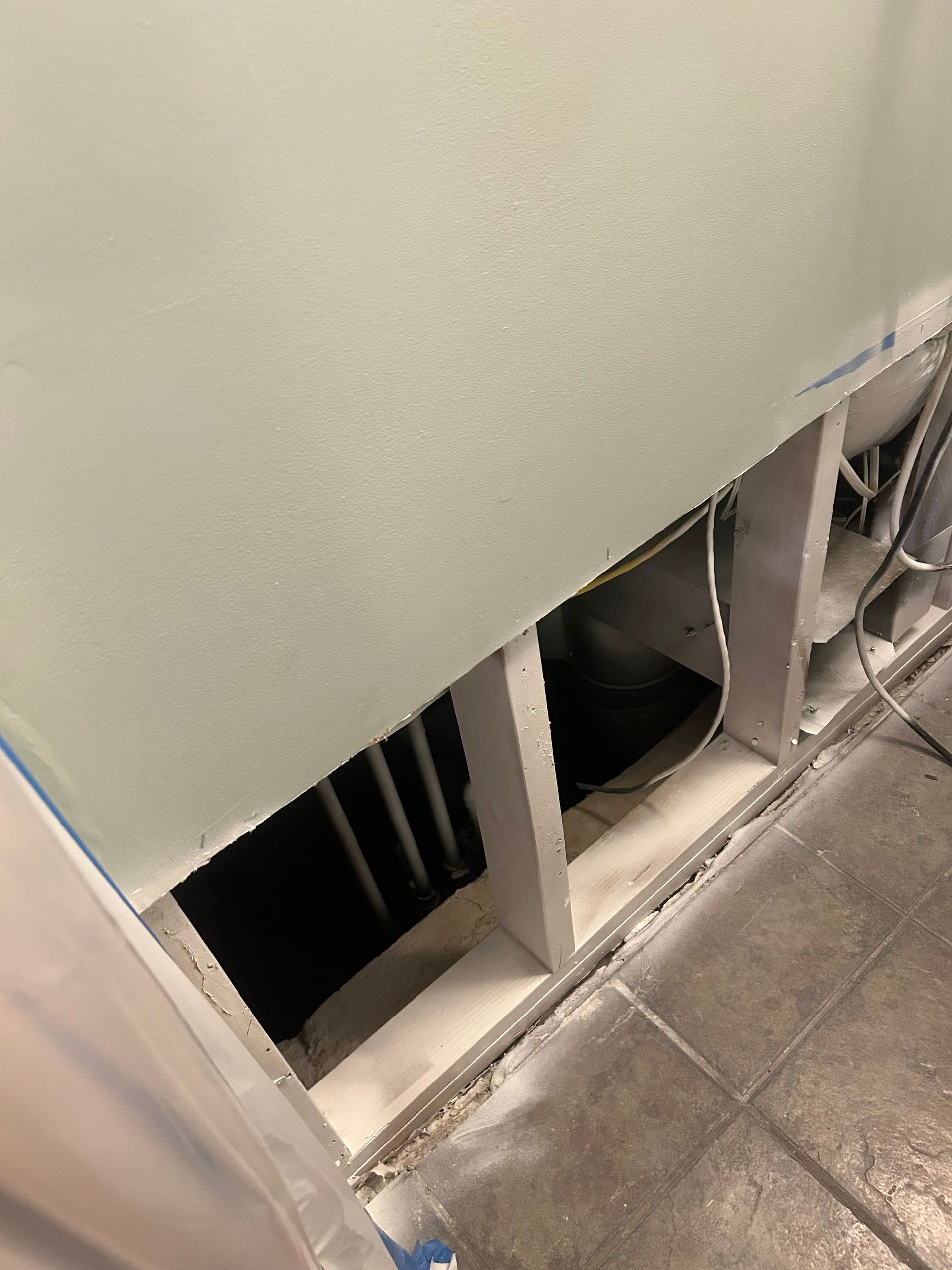
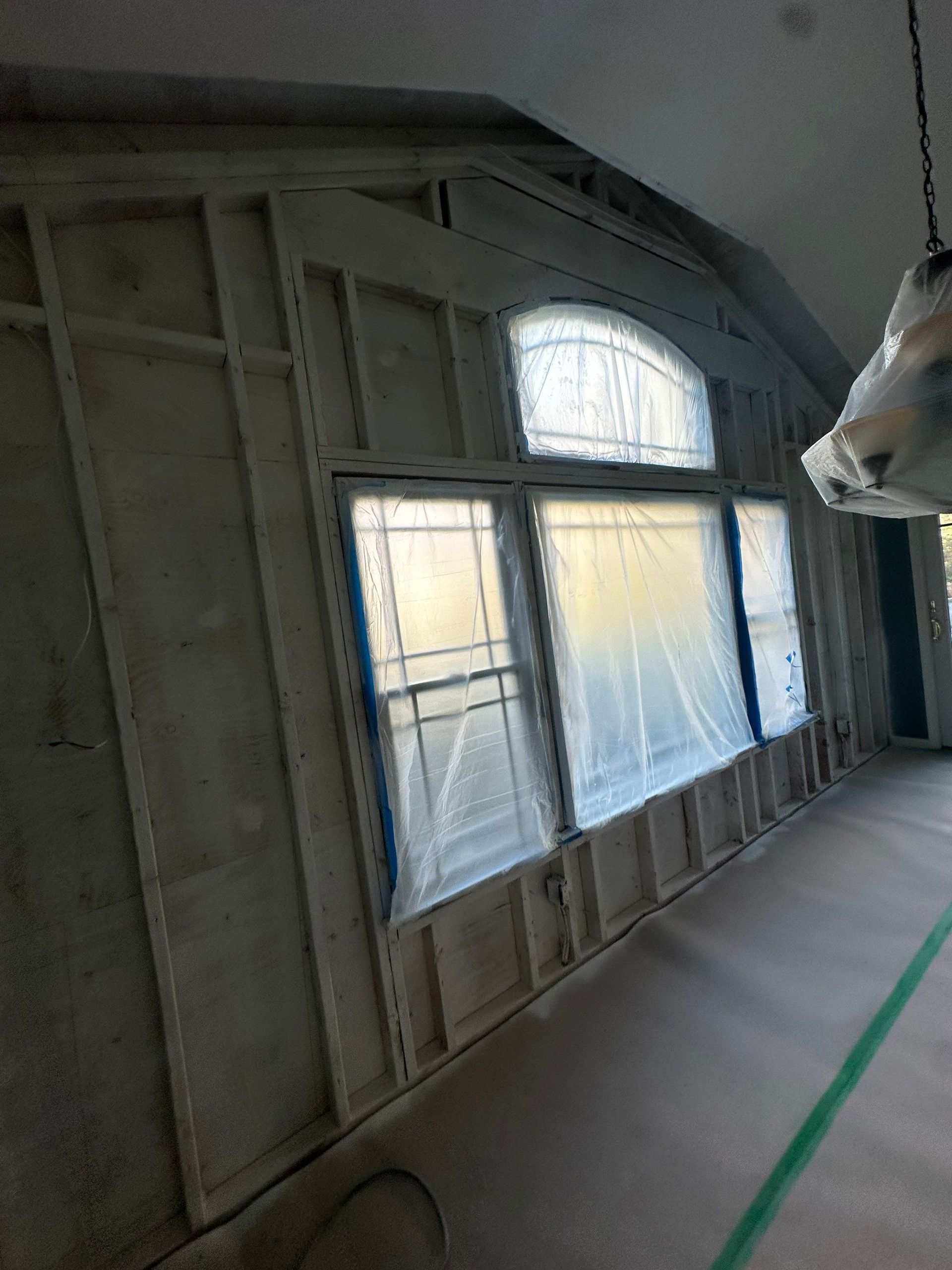
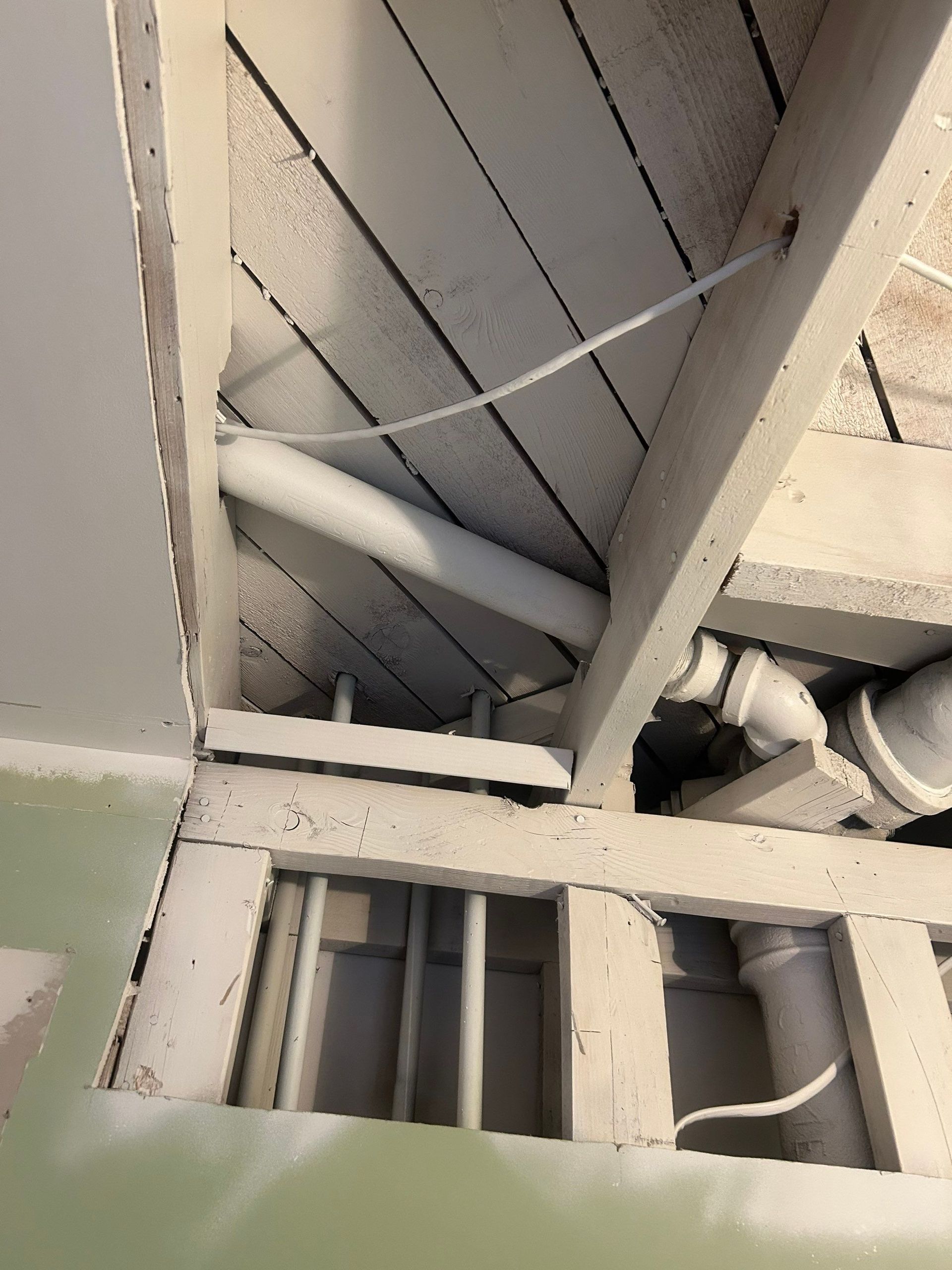
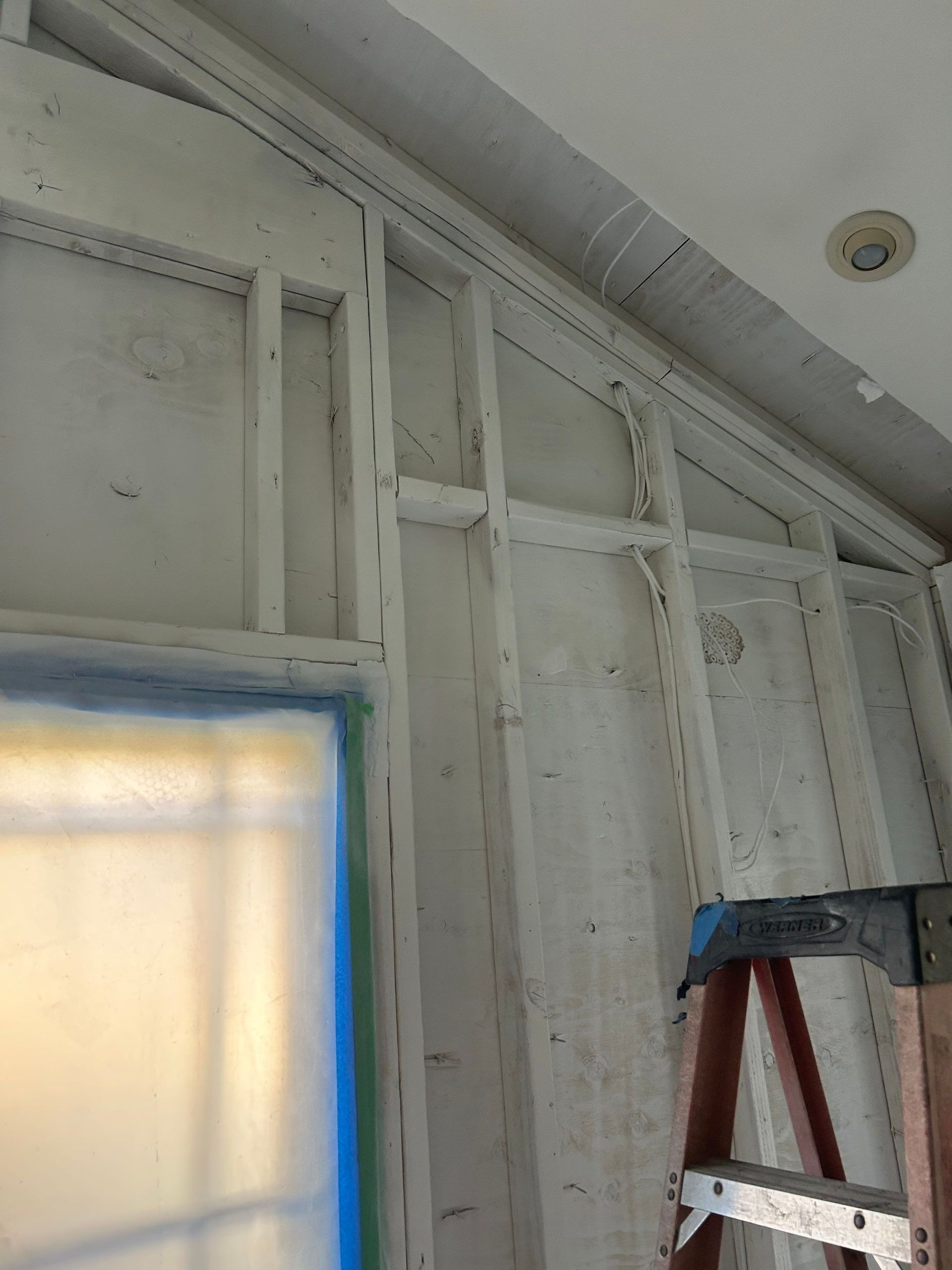
Why Mold Encapsulation Was the Right Next Step for This Greenlawn Family
When a home has been hit as extensively as this one, encapsulation isn’t a luxury—it’s the only responsible next move.
What mold encapsulation does:
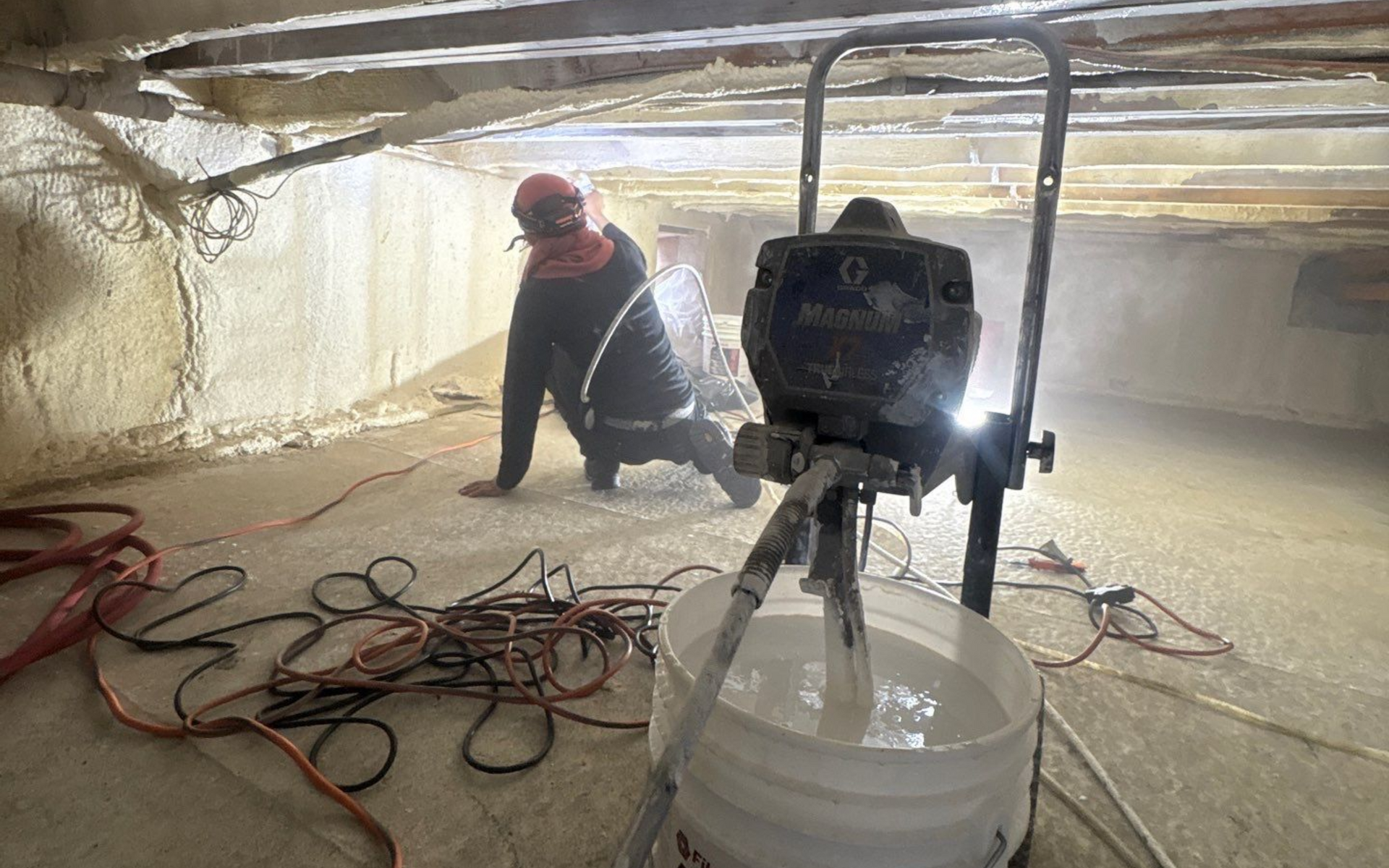
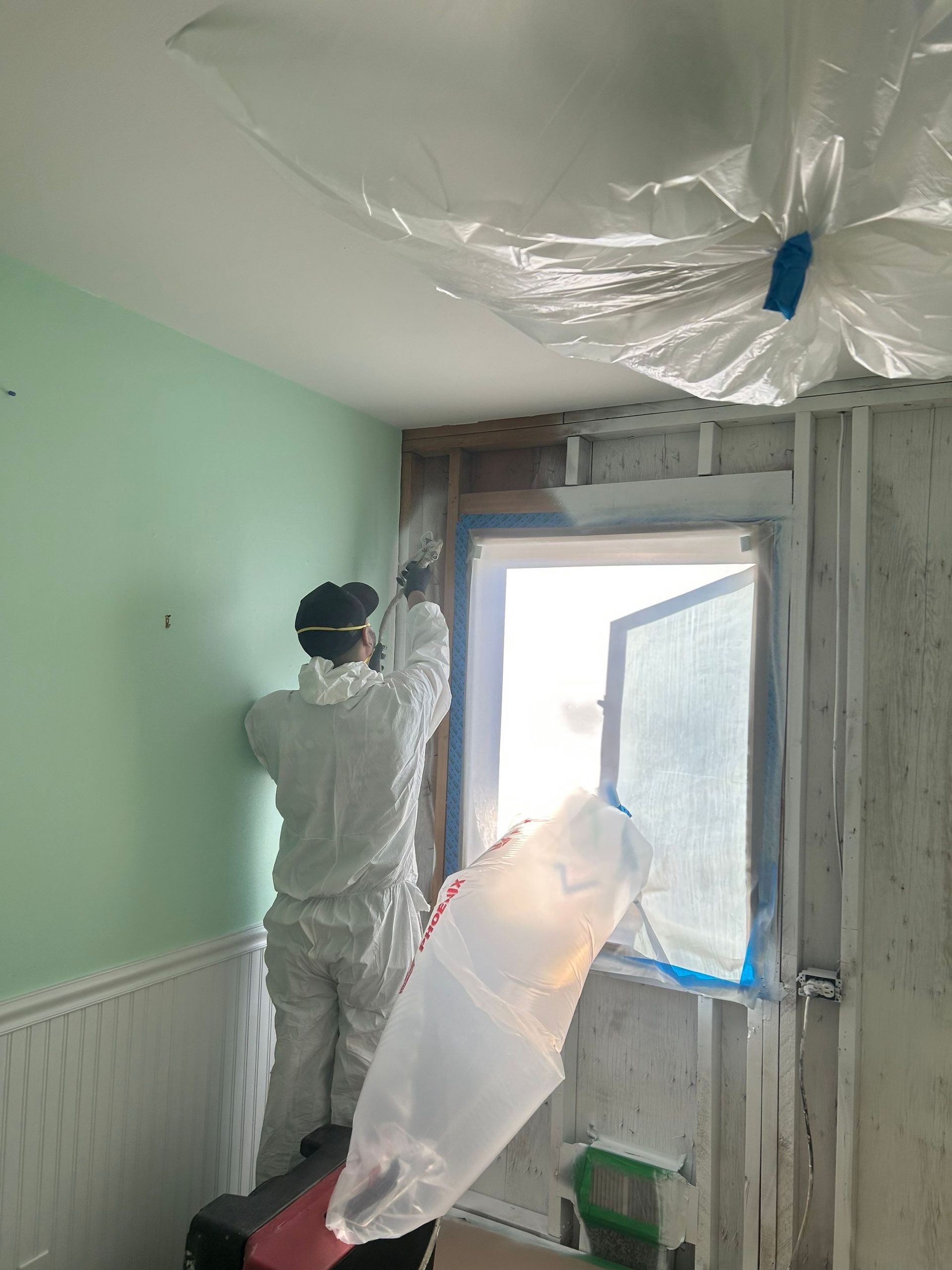
- Creates a durable, protective barrier over wood framing
- Locks down porous materials so mold cannot anchor again
- Helps resist future moisture absorption
- Reduces odors in attics, crawlspaces, and basements
- Strengthens long-term indoor air quality
- Prevents future mold outbreaks in previously affected areas
Long Island homeowners—especially in older moisture-prone neighborhoods like Greenlawn, Huntington, Northport, and Commack—benefit significantly from this layer of defense.
After everything this homeowner went through, the absolute priority was ensuring mold never regained a foothold.
How K.O.S. Applied Mold Encapsulation Room by Room
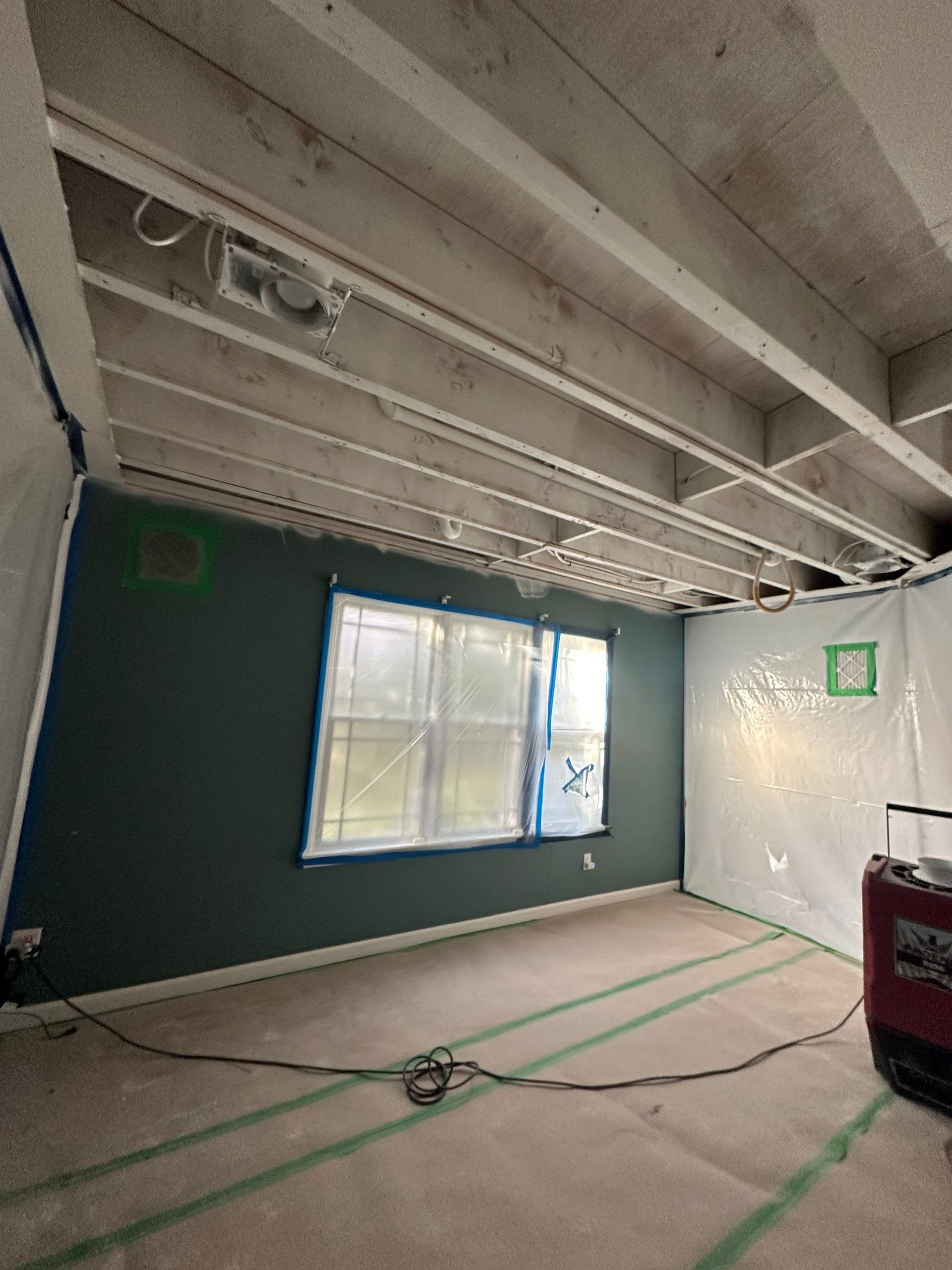
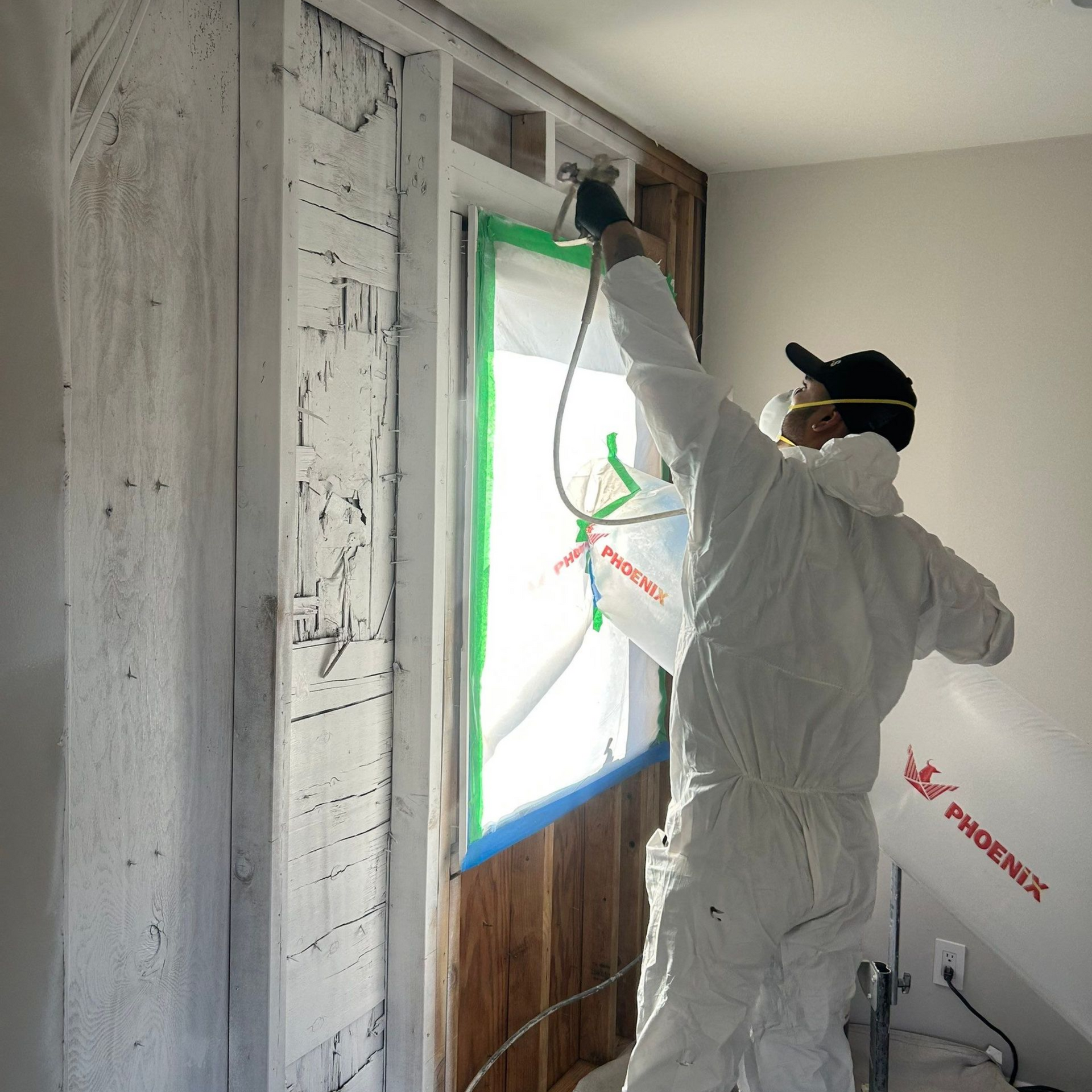
Encapsulating Floor Joists & Structural Beams
The team sealed all exposed wood framing throughout the:
- Bedrooms
- Attic
- Living spaces
- Hallways
Wall cavities where hidden moisture was previously detected
This provides a uniform protective barrier across the entire structure.
Subfloor Protection—A Critical Step After Multi-Level Mold Damage
Once mold reaches the subfloor, homeowners often worry it will return.
Encapsulation provides the peace of mind they desperately need.
We sealed all accessible subflooring so future humidity swings, seasonal moisture, or unexpected leaks cannot trigger another outbreak.
Why Mold Encapsulation Is Growing in Demand Across Suffolk County
Homes across the North Shore—especially Greenlawn, Elwood, Northport, Centerport, Commack, East Northport, Melville, and Huntington—are vulnerable to mold because of:
- High seasonal humidity
- Older wood framing
- Ventilation issues in attics and crawlspaces
- Hidden leaks behind walls
- Damp basements
- Sandy soil that retains moisture
That’s why homeowners from Greenlawn to Dix Hills are increasingly requesting encapsulation as a proactive strategy—not just after remediation, but also after basement flooding or crawlspace moisture problems.
How This Follow-Up Project Protects the Family Long-Term
After finishing both phases, the home now has:
- Cleaner indoor air
- A sealed, protected structure
- Reduced moisture absorption
- A major decrease in mold recurrence risk
- Protection in every previously impacted room
- Peace of mind that the structure is safe again
For this Greenlawn homeowner, the nightmare is over—and their home is now more fortified than ever before.
K.O.S. Restoration
- Locally Owned Since 2006
- IICRC Certified in Water Damage & Mold Remediation
- 24-Hour Emergency Service
- 45-Minute Rapid Response in Suffolk County
- 250+ Five-Star Reviews
Address:
11 Farber Drive Unit F, Bellport, NY 11713
Phone:
(631) 560-8999
If you’re seeing signs of moisture, musty odors, or mold—or you’re worried about hidden contamination—we can help you protect your home the right way.
Our IICRC-certified specialists are available 24/7.
Call K.O.S. Restoration at
(631) 560-8999
for a same-day inspection
Your family deserves a safe, healthy home—let us help you get it back.
FAQ's
What is mold encapsulation, and why is it used after remediation?
Mold encapsulation is the process of sealing wood framing, beams, joists, and subfloors with a protective coating that prevents mold from reattaching. After a major remediation—especially one involving multiple floors or moisture-prone areas—encapsulation adds long-term protection and reduces the risk of future outbreaks.
Is mold encapsulation safe for my home and my family?
Yes. Professional encapsulants used by IICRC-certified companies like K.O.S. Restoration are low-VOC, designed for residential use, and safe once applied and dried. They create a durable, protective barrier without releasing harmful fumes inside the home.
Does mold encapsulation eliminate mold completely?
Encapsulation is not a replacement for remediation—it’s a post-remediation protective measure. First, all mold must be removed or neutralized. Encapsulation then prevents mold from returning by sealing porous wood surfaces and reducing future moisture absorption.
Which areas of a home benefit most from mold encapsulation?
Homes in Greenlawn and nearby towns often benefit from encapsulation in:
Crawlspaces
Basements
Attics
Subflooring
Wall cavities
Floor joists and structural beams
These areas experience higher humidity and greater long-term moisture exposure.
How long does mold encapsulation last?
When professionally applied, mold encapsulation can last 10+ years and often far longer. The longevity depends on the home’s humidity levels, ventilation, and whether underlying moisture problems are addressed.
Will mold encapsulation help with odors or musty smells?
Yes. Encapsulation helps reduce lingering odors by sealing porous materials where moisture and organic particles tend to settle. Many homeowners notice a noticeable improvement in air quality after encapsulation.
Does every home with mold need encapsulation?
Not always. Encapsulation is ideal when:
Mold has impacted multiple levels of the home
The property has chronic moisture (common in crawlspaces, basements, and attics)
There is previous mold history
There are structural wood components that remain vulnerable
Your technician will recommend encapsulation only when it adds clear value.
Share This Post